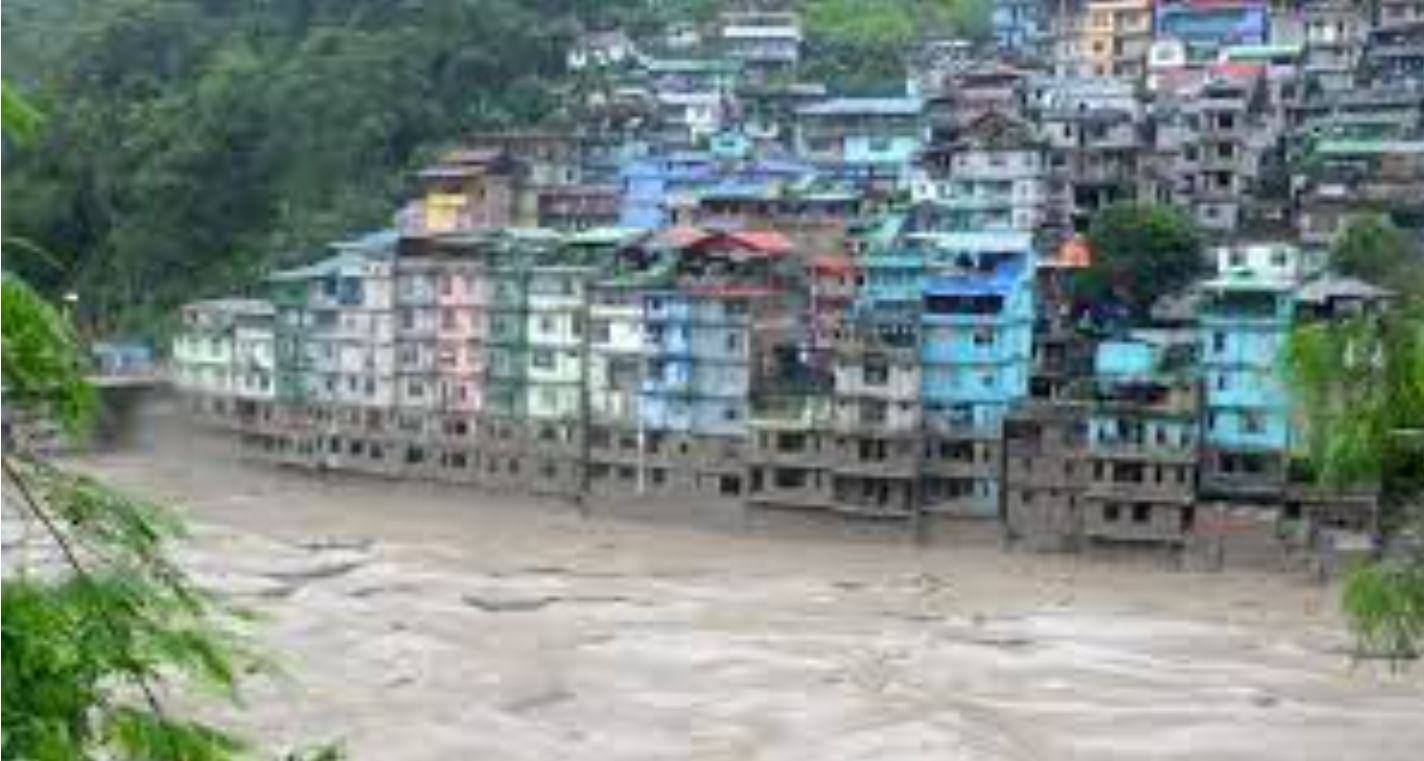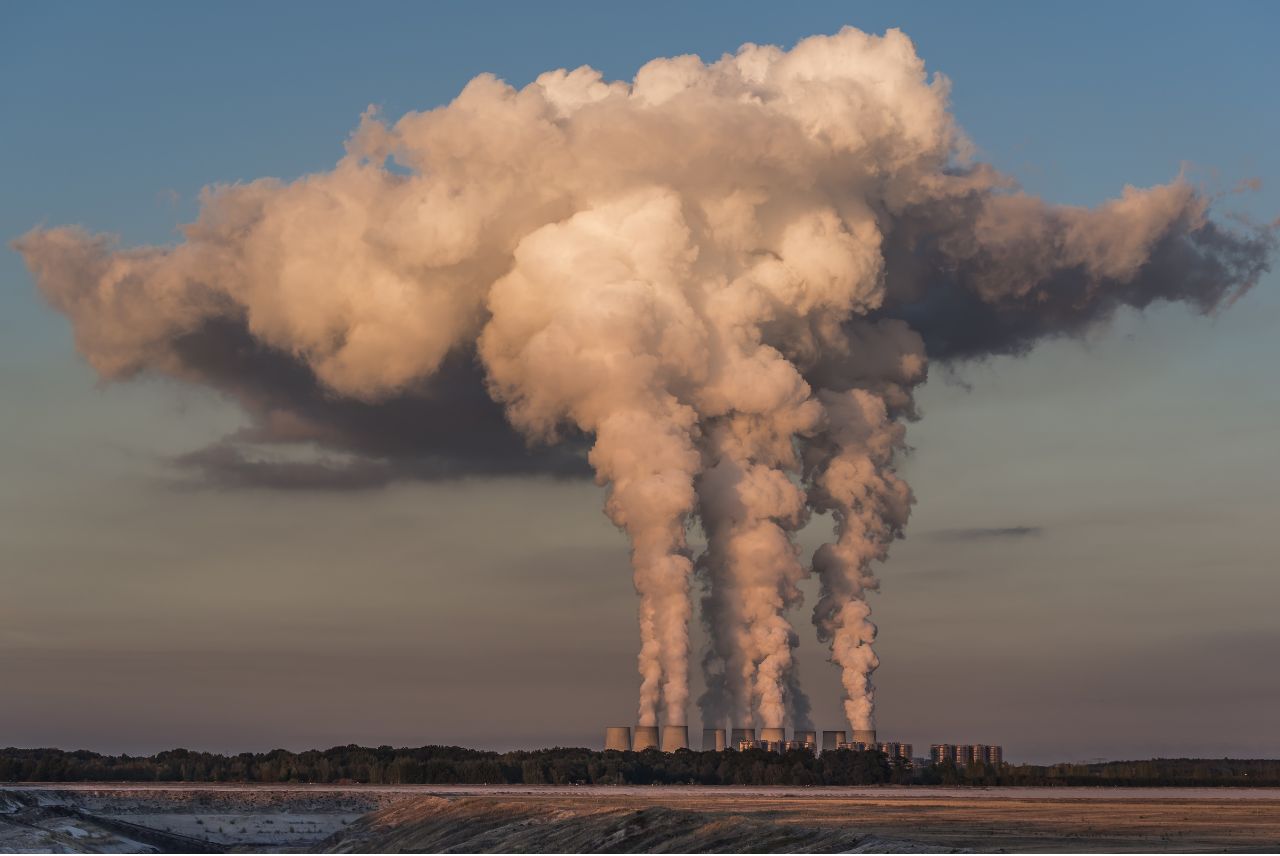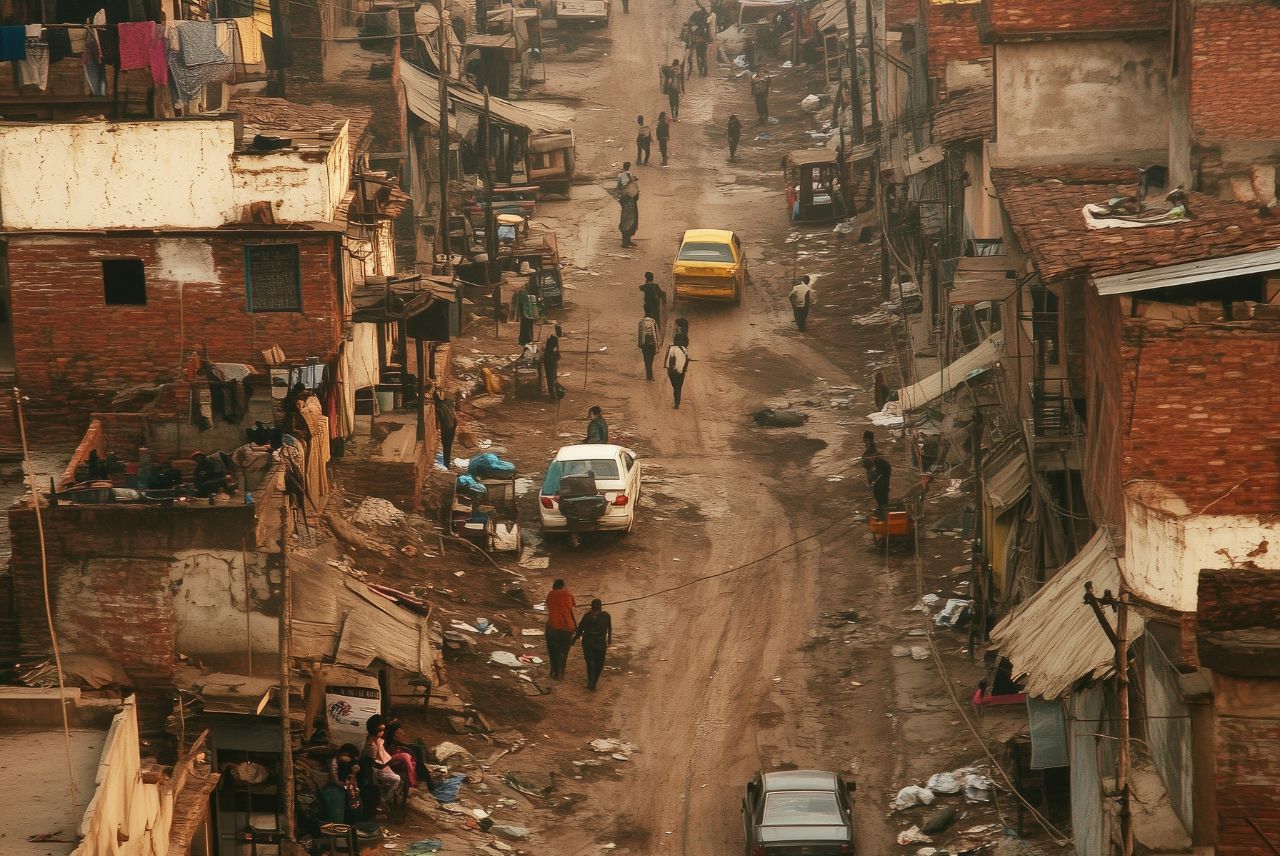
This project focused on evaluating climate-induced hazards and urban disaster risks in South Sudan, with the objective of informing resilient development planning and strategies. It involved identifying high-risk regions and vulnerable populations, and analysing how climate-related shocks, such as floods, droughts, and extreme weather events, pose threats to urban development outcomes. The study was designed to generate evidence-based insights through a structured assessment of climate hazards, exposure, vulnerability, and risk, followed by a comprehensive review of adaptation needs and resilience-building opportunities.
The outputs aim to support the World Bank and other stakeholders in mainstreaming climate resilience into urban planning, strengthening institutional capacities, and guiding the design of strategic investment plans, including those supported by climate finance.
Our Role:
As part of this initiative, we
- Conducted a detailed climate hazard, exposure, vulnerability, and risk assessment, integrating geospatial and socio-economic data to identify urban hotspots most at risk of climate-related disasters.
- Delivered a comprehensive adaptation and resilience assessment, outlining priority measures to reduce climate and disaster vulnerability across urban systems such as housing, water infrastructure, drainage, and social services.
- Assessed investment options for disaster risk reduction and climate adaptation, focusing on scalable
and context-specific interventions aligned with national priorities and World Bank frameworks. - Integrated climate finance dimensions by:
-Identifying blended finance mechanisms and results-based financing opportunities to fund urban resilience investments.
-Proposing access pathways to global climate funds (such as the Green Climate Fund and Adaptation
Fund) for urban infrastructure projects.
-Recommending de-risking instruments and concessional finance structures to attract private capital into urban climate resilience efforts.
-Supporting the design of climate-smart investment pipelines that align with both donor and domestic financing frameworks.
Through this work, we contributed to strengthening the climate resilience of urban systems in South Sudan, enabling the World Bank and its partners to make informed, finance-ready decisions for long-term urban disaster risk reduction.