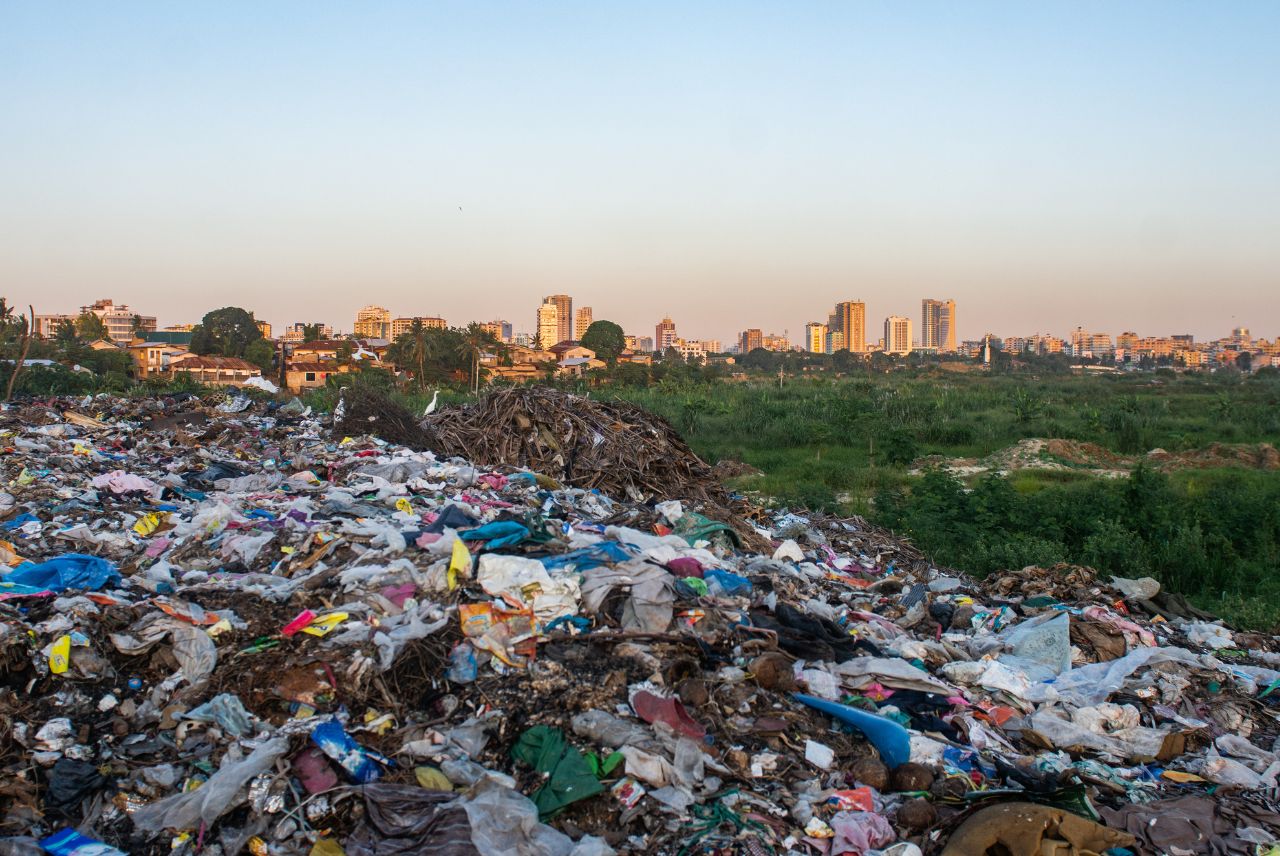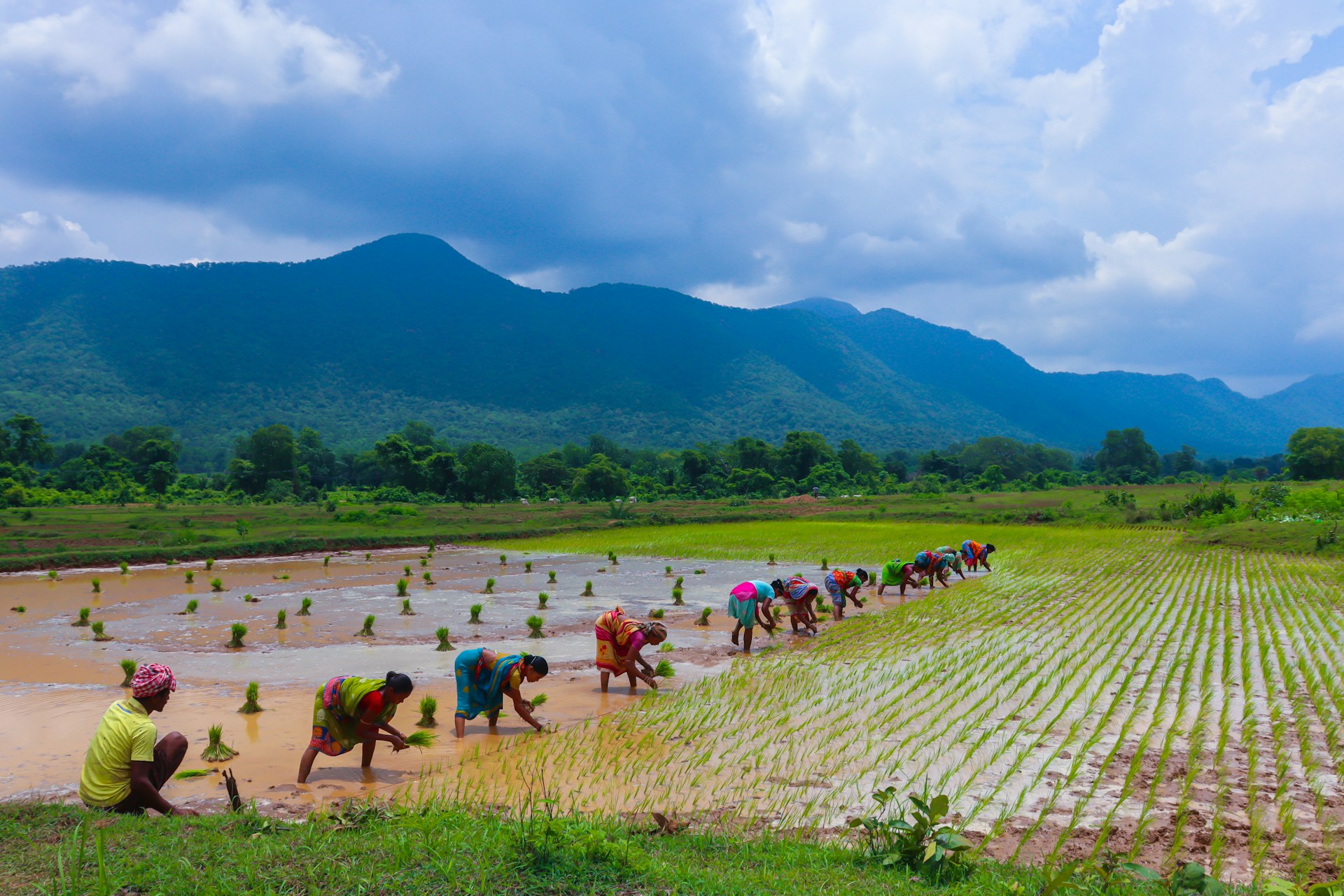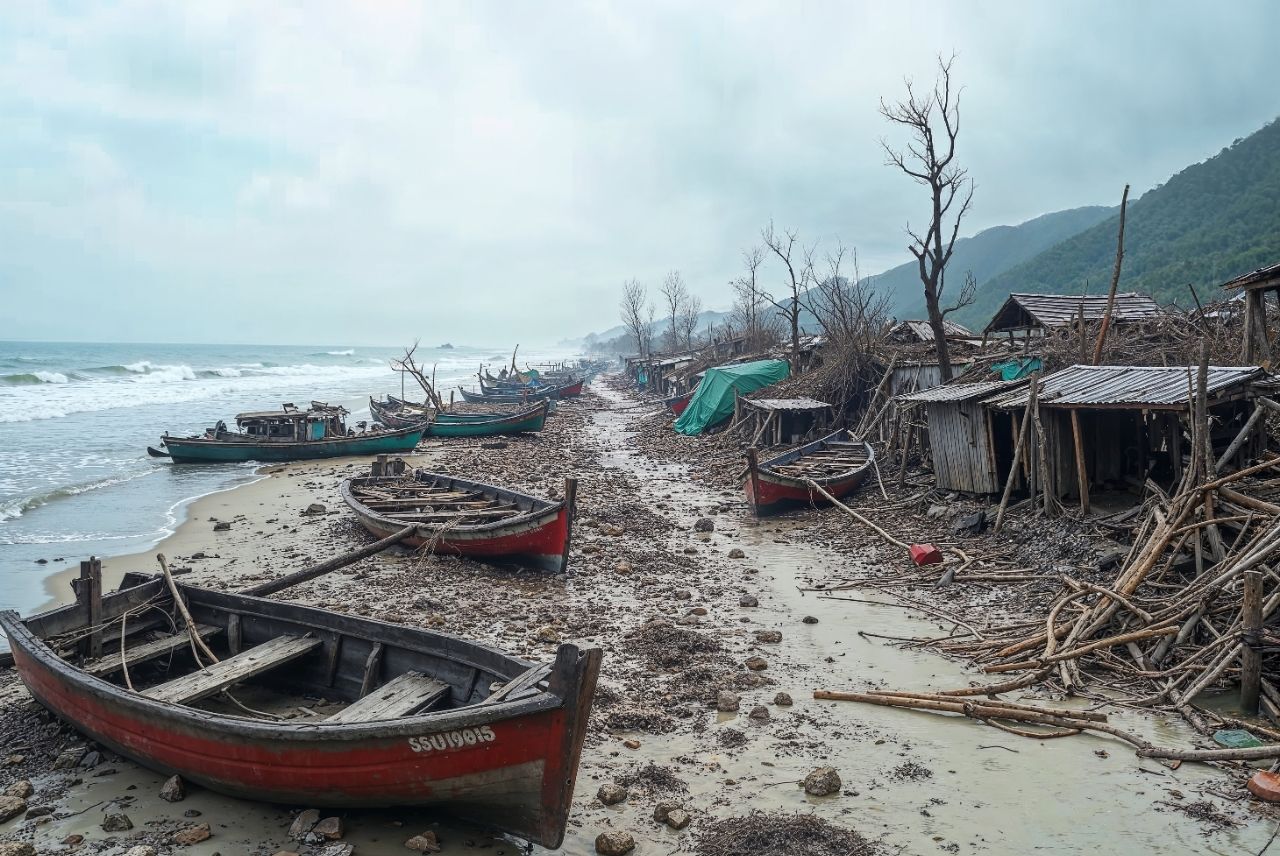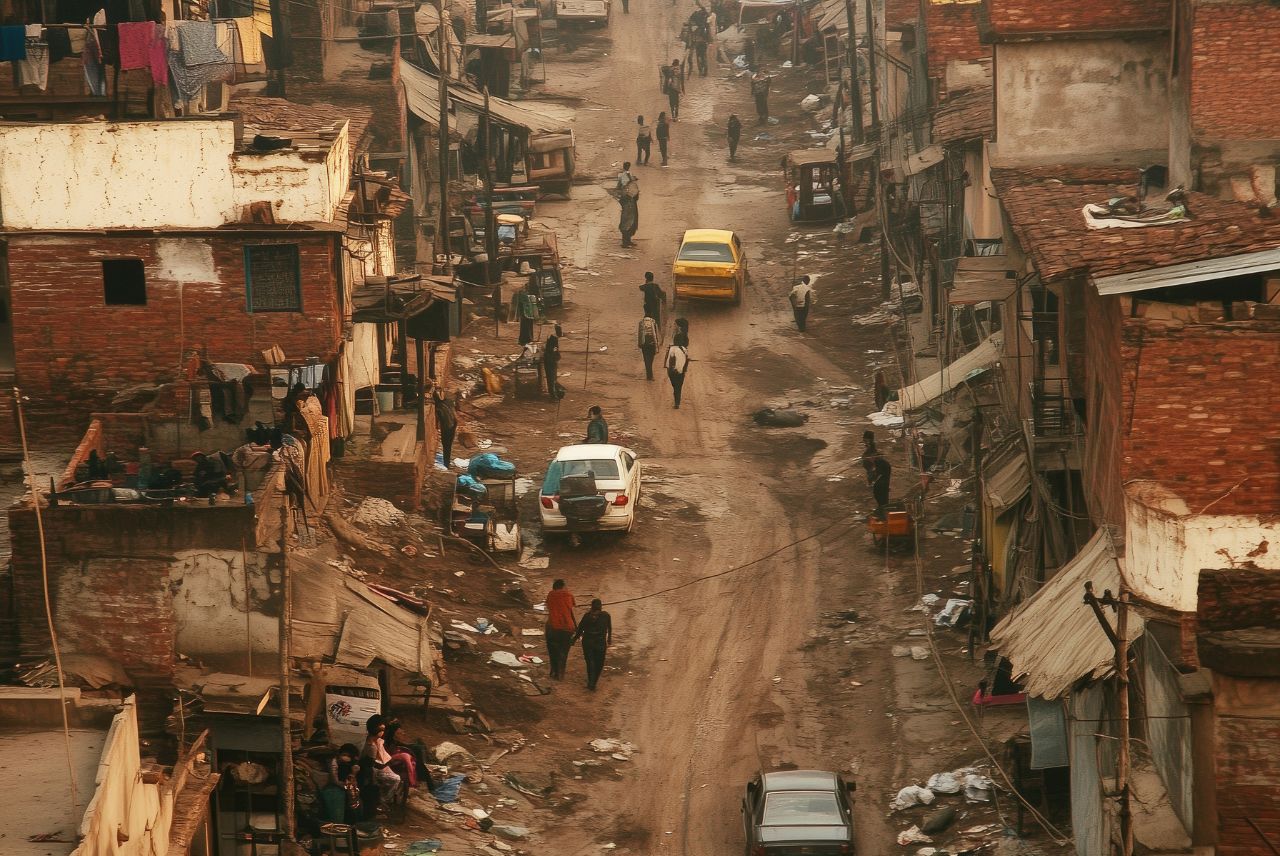
Uttar Pradesh’s vast geographic spread and dense population make it acutely vulnerable to a wide range of natural and human‑induced hazards, including riverine floods, droughts, earthquakes, heatwaves, lightning, storms, snakebites, etc. These risks are amplified by rapid urbanisation, stressed infrastructure and services, and pronounced socio‑economic vulnerabilities among women, children, the elderly, and persons with disabilities.
To strengthen a culture of preparedness and promote risk-informed development, the Government of Uttar Pradesh, under the aegis of UNDP and the Office of the Relief Commissioner, has initiated the development of District Disaster Management Plans (DDMPs) across 25 high-priority districts in the eastern and northeastern plains. This initiative aims to translate the Disaster Management Act, 2005 and NDMA guidelines into actionable, district-level frameworks. Through a structured approach, the DDMPs will enable local administrations to systematically map hazards, assess vulnerabilities and capacities, and establish clear, implementable protocols for preparedness, response, mitigation, and recovery. By institutionalising these processes at the district level, the project seeks to build resilient systems, enhance coordination among stakeholders, and ensure that disaster risk reduction is embedded within local development planning. This assignment aims to transform DDMPs from static compliance documents into living, digital blueprints for building community resilience , continuously updated through a state MIS to guide everyday decision‑making, investments, and emergency operations.
Our Role
We are providing end‑to‑end technical assistance to design and operationalise 25 comprehensive, MIS‑enabled DDMPs, strengthening risk governance, preparedness, and recovery systems across Uttar Pradesh’s most hazard‑prone districts.
Our work includes:
- District‑Specific Risk Diagnostics: Conducting multi‑hazard HRVCA for each district, integrating historical disaster data, climate trends, socio‑economic vulnerability, critical infrastructure, and livelihood risks, using NDMA‑aligned methods and GIS analysis.
- Participatory Plan Development: Co‑creating DDMPs through a three‑tier consultation process: strategic meetings with DDMAs and district leadership, sectoral sessions with key line departments, and ground‑level engagements with community representatives to ensure ownership and local relevance.
- Institutional and SOP Frameworks: Defining the roles of district DRM institutional architectures (DDMA, DEOC, IRTs, ESFs) and preparing hazard‑specific, action‑oriented SOPs including decision points, and stepwise actions for preparedness, early warning, response, and recovery.
- Data‑Driven Resource and Finance Planning: Developing detailed resource inventories and contact databases compatible with IDRN, and analysing disaster‑related expenditure, financing gaps, and innovative risk‑financing options to inform phased, costed resilience investment plans.
- Mainstreaming DRR into Development: Identifying entry points to embed DRR and climate resilience into District Development Plans, GPDPs, and flagship schemes (e.g., Jal Jeevan Mission, Amrit Sarovar, livelihood missions), ensuring DDMP actions leverage existing programmes and funding streams.
- Capacity Building and Simulation: Delivering targeted workshops, table‑top exercises, and mock drills for district officials, PRIs, ULBs, frontline workers, and CSOs, using district‑specific scenarios to test SOPs and strengthen coordination and decision‑making.
- Digital Integration with State MIS: Structuring all DDMP content, GIS layers, resource inventories, and indicators for seamless integration into UPSDMA’s cloud‑based MIS, enabling real‑time monitoring of plan implementation through dashboards, alerts, and colour‑coded progress tracking.
By integrating robust risk analytics, inclusive field engagement, and robust digital systems, this engagement will culminate in a scalable, institutionalised model for district-level disaster risk management in Uttar Pradesh, enhancing preparedness in the immediate term while laying a sustainable foundation for long-term, climate-resilient, risk-informed development.