2023

-Ongoing

Developing a Multi-Hazard Risk Atlas for Mumbai (MHVRA)

BMC

Developing a Multi-Hazard Risk Atlas for Mumbai (MHVRA)

BMC

IPE Global and ESRI developed a multi-hazard risk atlas that aims to evaluate the risks and vulnerabilities of Mumbai city.

2023-2024

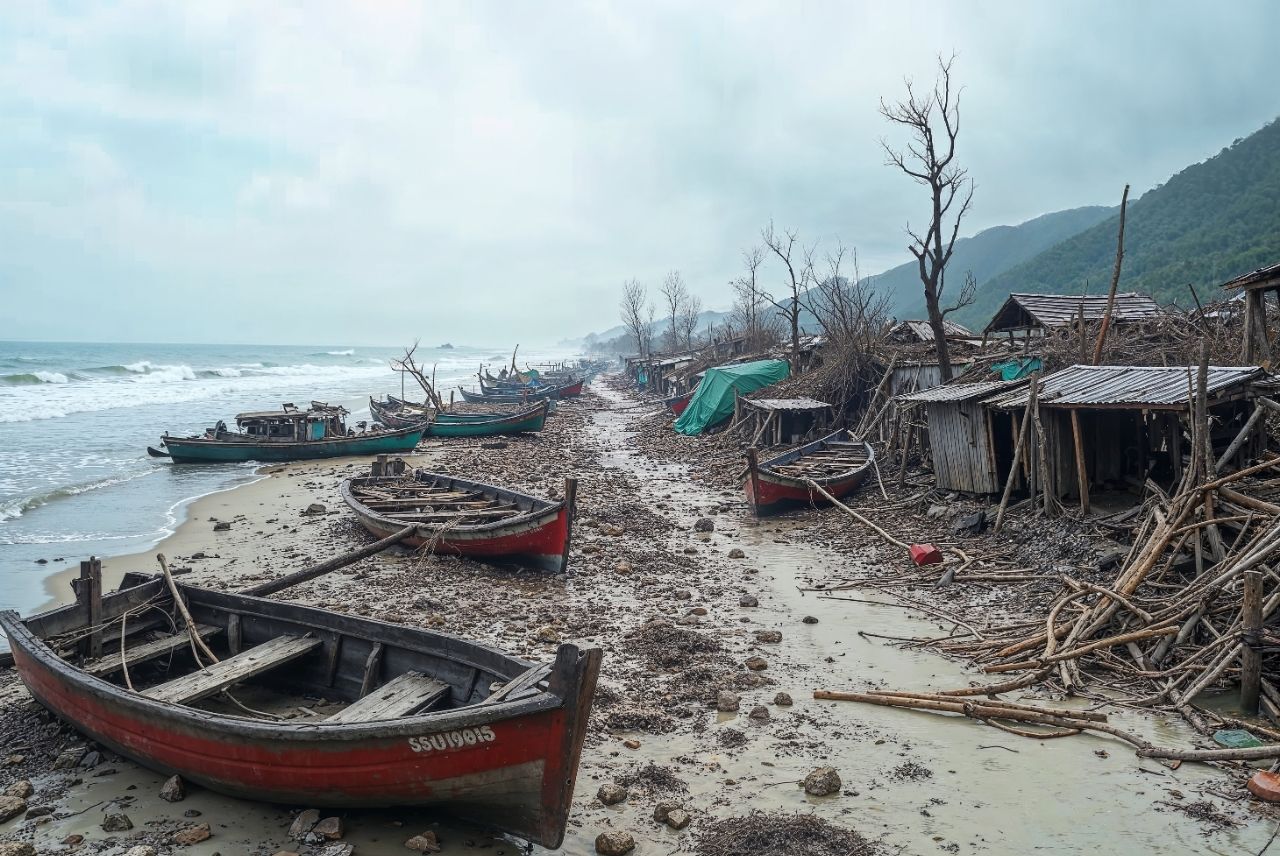
Mumbai, one of India’s largest and most densely populated coastal megacities, faces a complex and growing array of climate and disaster-related risks. The city’s vulnerability stems from both its geographic exposure and expanding urban footprint. Recurrent hazards such as floods, landslides, cyclones, fires, and chemical spills have repeatedly tested the resilience of its infrastructure and communities.

With climate change accelerating the intensity and frequency of extreme events, the need for a scientific and integrated risk management framework has never been more urgent. In response, in collaboration with Esri India, we were commissioned by UNDP and the Brihanmumbai Municipal Corporation (BMC) to develop a Multi-Hazard Risk and Vulnerability Atlas (MHVRA) for the city. By translating climate risk into localised, actionable intelligence, this initiative paves the way for mainstreaming adaptation into disaster management, urban governance, and infrastructure planning – making Mumbai a safer and climate-resilient city.

Our Role

As the lead technical partner, we played a pivotal role in designing and delivering the risk atlas with a strong climate adaptation lens. Key contributions included:

  • Integrated Climate Risk Modelling: Incorporated past hazard events and projected climate scenarios (based on IPCC pathways) to map future risks and exposure hotspots in the city.
  • Vulnerability Assessment: Conducted multidimensional assessments that combined socioeconomic indicators with spatial hazard data to identify vulnerable populations and infrastructure at risk.
  • Climate Adaptation Planning: Developed actionable recommendations for adaptation – such as early warning systems, green-blue infrastructure planning, and climate-resilient housing – to inform BMC’s
    disaster risk reduction and climate resilience strategies.
  • Data-Driven Decision Support: Leveraged GIS and advanced spatial analytics (in partnership with Esri India) to build a dynamic, visual platform that enables city officials to plan, respond, and invest more effectively in resilience.
  • Institutional Strengthening: Enabled capacity building within BMC and aligned the outputs with national frameworks such as the National Disaster Management Plan (NDMP) and the State Action Plan on Climate Change (SAPCC).

The Multi-Hazard Risk and Vulnerability Atlas is more than just a mapping tool – it is a strategic climate adaptation instrument. It strengthens Mumbai’s institutional readiness for managing compound climate risks, enhances the integration of climate science into urban planning, and equips decision-makers with a real-time, spatially explicit platform for resilient development.

Scenario-Based MHVRA Integration into Mumbai’s Command and Control System (CCS)

2025-Ongoing

As climate-related hazards intensify, real-time, data-driven decision support systems are essential for building resilient urban governance. Building upon the foundation of Phase I (Mumbai’s Multi-Hazard Risk and Vulnerability Atlas), Phase II integrates scenario-based hazard modelling directly into the Command and Control System (CCS) at the Brihanmumbai Municipal Corporation (BMC) headquarters. This critical advancement transforms risk assessment into operational intelligence-enabling anticipatory, responsive, and adaptive disaster management.

Our Role

We lead the technical design and integration of the hazard simulation and risk analysis platform into Mumbai’s CCS, using advanced GIS tools and live data processing systems in collaboration with Esri India. Our contributions include:

  • Real-Time Climate Hazard Modelling: Using remote sensing and GIS-based scenario modelling to
    simulate the spatial and temporal impact of hazards like floods, cyclones, heatwaves, and landslides under projected climate conditions.
  • Automated Impact Scenarios: Embedding dynamic hazard impact simulations that auto-generate response-ready dashboards and reports within the CCS.
  • Live Data Feeds Integration: Enabling authorities to monitor, evaluate, and respond to rapidly evolving hazard conditions using weather, tidal, and rainfall telemetry systems.
  • Decision Support for Emergency Response: Creating algorithms to identify cascading impacts and suggest prioritised interventions across critical infrastructure, transport, health, and vulnerable populations.
  • Adaptation Strategy Alignment: Supporting city-level climate resilience plans with scenario-informed mitigation and adaptation strategies aligned with IPCC projections and national frameworks.



FROM THE DESK

Latest Projects

Anand Roop

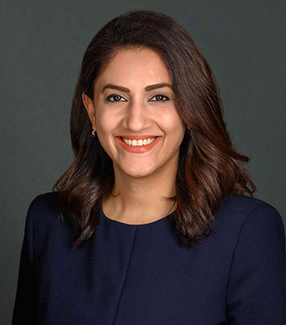
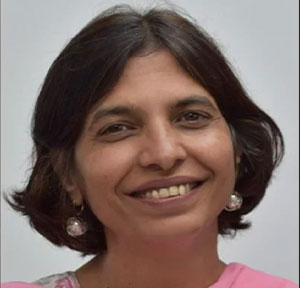
Anandroop Bahadur

Group Head – Human Resources

Expertise

Human Resource Expertise, HR Strategy, Oragnisational Design, Talent & Leadership Development, Policy Governance

Anandroop Bahadur is a seasoned HR leader and strategic advisor with nearly two decades of experience across the development, consulting, and social impact ecosystem. She brings a strong blend of deep technical HR expertise, organizational design acumen, and a people-centric ethos to her work.

At IPE Global, Anandroop leads the Group Human Resources function across IPE Global and its associated entities, including Triple Line Consulting and IPE Africa. Her focus is on strengthening organizational foundations, enabling leadership effectiveness, and building scalable people systems aligned with the organisation’s global growth ambitions. Her remit spans HR strategy, organizational design, talent and leadership development, compensation and performance frameworks, policy governance, safeguarding, and culture integration across geographies.

Over the course of her career, Anandroop has held senior HR leadership and consulting roles with organisations such as Clinton Health Access Initiative (CHAI), Ford Foundation, NASSCOM Foundation, Central Square Foundation, Amity Education Group, and other international institutions. She has advised leadership teams and boards through periods of scale, transition, and transformation, and has led HR operations in high-growth, high-complexity environments.

She holds an Executive Degree in Human Resources from XLRI Jamshedpur and is a SHRM–SCP (Senior Certified Professional), reflecting her grounding in global HR standards and best practices. She has also completed advanced executive and leadership programmes, including training in coaching and organisational transformation, and is an ICF-trained executive coach, currently working towards her ACC credential.


Nikos Papachristodoulou

Nikos Papachristodoulou

Director

Expertise

Urban, Infrastructure, Disaster and Climate Resilience, Inclusive Growth

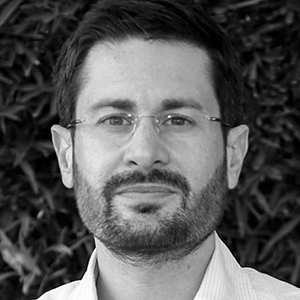
Nikos has expertise in urban and regional economic development, infrastructure, disaster and climate resilience, and inclusive growth. He oversees and manages projects for Triple Line’s cities and infrastructure portfolio.

Nikos is an urban specialist, with principal areas of expertise in urban and regional economic development, infrastructure, disaster and climate resilience, and inclusive growth. Over the past 12 years he has worked for a range of clients including the World Bank, FCDO, EU, USAID, Cities Alliance, Global Green Growth Institute (GGGI), Norwegian Refugee Council (NRC), and local authorities.

Nikos’s work has incorporated the full spectrum of the project cycle, from analytics and programme scoping and design, through implementation, and evaluation and learning.

He has a high level of familiarity with HMG business cases and ODA eligibility criteria having led and supported the development of FCDO’s urbanisation strategy and options for future investments in Somalia’s cities, Prosperity Fund Global Future Cities Programme (GFCP) scoping in Nigeria, and the development of the business case for an urban resilience programme in Tanzania.

Nikos also brings excellent understanding of World Bank latest trends and procedures as a result of his involvement in a number of analytics and technical assistance projects, including on informal settlements upgrading in Mogadishu, climate change adaptation planning in Latin American and Caribbean cities, assessment of the climate resilience of Dar es Salaam’s transport infrastructure, spatial development in Nigeria, and preparation of a handbook on integrated urban flood risk management.

Nikos holds a BSc in Economics from the University of Piraeus and an MSc in Social Development Practice from the Development Planning Unit at University College London (UCL).


Ricardo Pinto

Ricardo Pinto

Associate Director

Expertise

Private Sector Development, Regulatory Reform, Regional and Local Economy

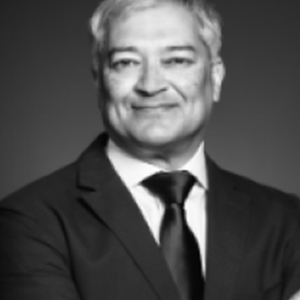
Ricardo has 35 years´ experience in private sector development, regulatory reform, regional and local economic development in the European Union, Western Balkans, Easter Partnership Countries, Middle East, Africa, etc. He is tasked with developing our strategic operations in continental Europe and Ukraine.

Ricardo is a seasoned international development professional with over 30 years of experience designing and delivering Private Sector Development and economic growth initiatives across more than 50 countries spanning Central, Eastern and Southeast Europe, the CIS, Africa, MEDA, and Asia. He holds both a bachelor’s degree and PhD from the London School of Economics and Political Science (LSE) and is a Certified Management Consultant (CMC).

Ricardo brings a unique combination of strategic insight and practical implementation expertise. He has led high-impact assignments for key development institutions, including the European Commission, OECD, GIZ, FCDO/DFID, UNDP, UNCTAD, EBRD, ILO, ADB, World Bank, USAID, and Danida.

With a deep and practical understanding of institutional architecture, policy environment, and post-conflict recovery dynamics, and a career spanning over 30 years across transition economies, Ricardo brings not only technical depth but also a trusted reputation among donors, policymakers and peers.He is leading Triple Line’s strategic expansion into continental Europe, including Ukraine, while strengthening our credibility across the broader region and beyond. Proven Expertise Across Our Core Pillars. Ricardo’s work focuses on the areas central to Triple Line’s evolving service offering: Governance & Institutional Reform: advising public institutions on regulatory impact, policy reform, and donor coordination, Private Sector Development: strategy development for SME ecosystems, innovation, and competitiveness, Infrastructure Enabling Conditions: support for investment climate improvement and regional/local economic development and Cross-cutting themes, including green transition, women’s economic empowerment, and inclusive growth

 
LIFE AT IPE

Learning &
Development (L&D)

We inspire people to be better.

Our intuitive and personalised programmes provide clear path for growth, leadership development, and help people sharpen their skills.

0 %
People trained in last 3 years
0 %
Participation in L&D Initiatives in 2025

Your journey starts from Day One….

Structured Onboarding

Helps align expectations and lays the foundation for your success

New Hire Training

Makes you familiar with the organisation; helps you settle down in a new work environment

Customized L&D Platform

Helps upskill at your own pace through continuous learning and training programmes

Linkage with
Performance Management

Aligns resources and training needs based on your skill set

Learning is not always a formal process. We also align our organisation values to a culture of learning