2025

-2026

District Disaster Management Plans, Uttar Pradesh

UNDP

District Disaster Management Plans, Uttar Pradesh

UNDP

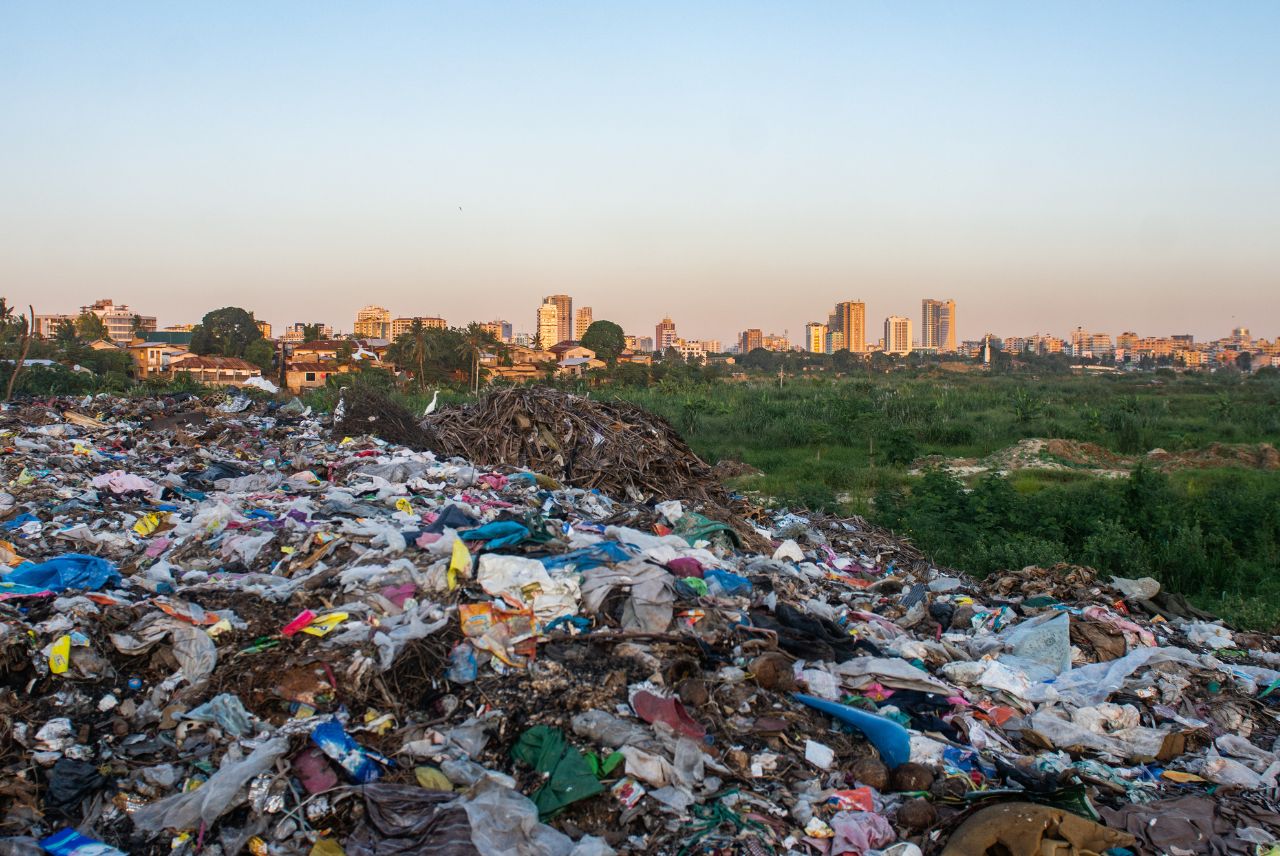
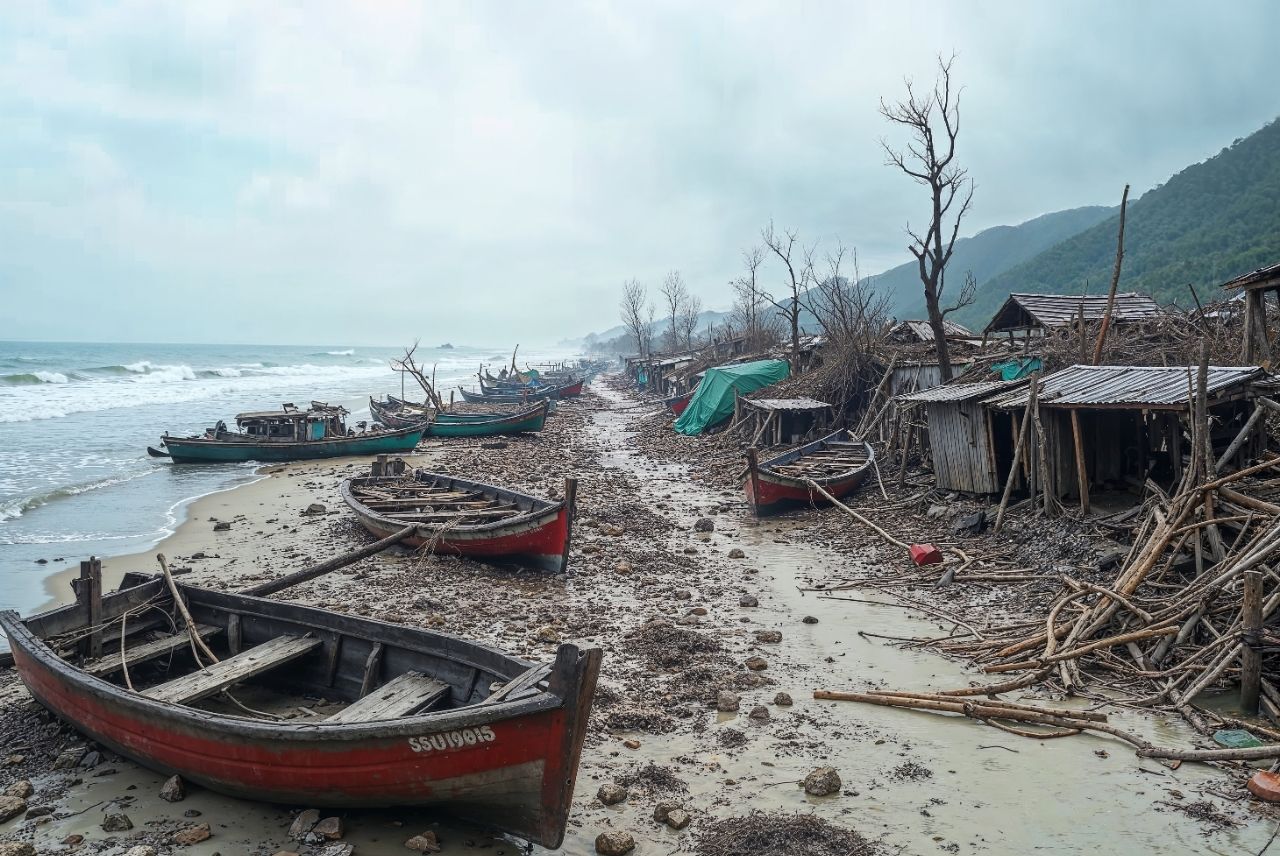
Uttar Pradesh’s vast geographic spread and dense population make it acutely vulnerable to a wide range of natural and human‑induced hazards, including riverine floods, droughts, earthquakes, heatwaves, lightning, storms, snakebites, etc.

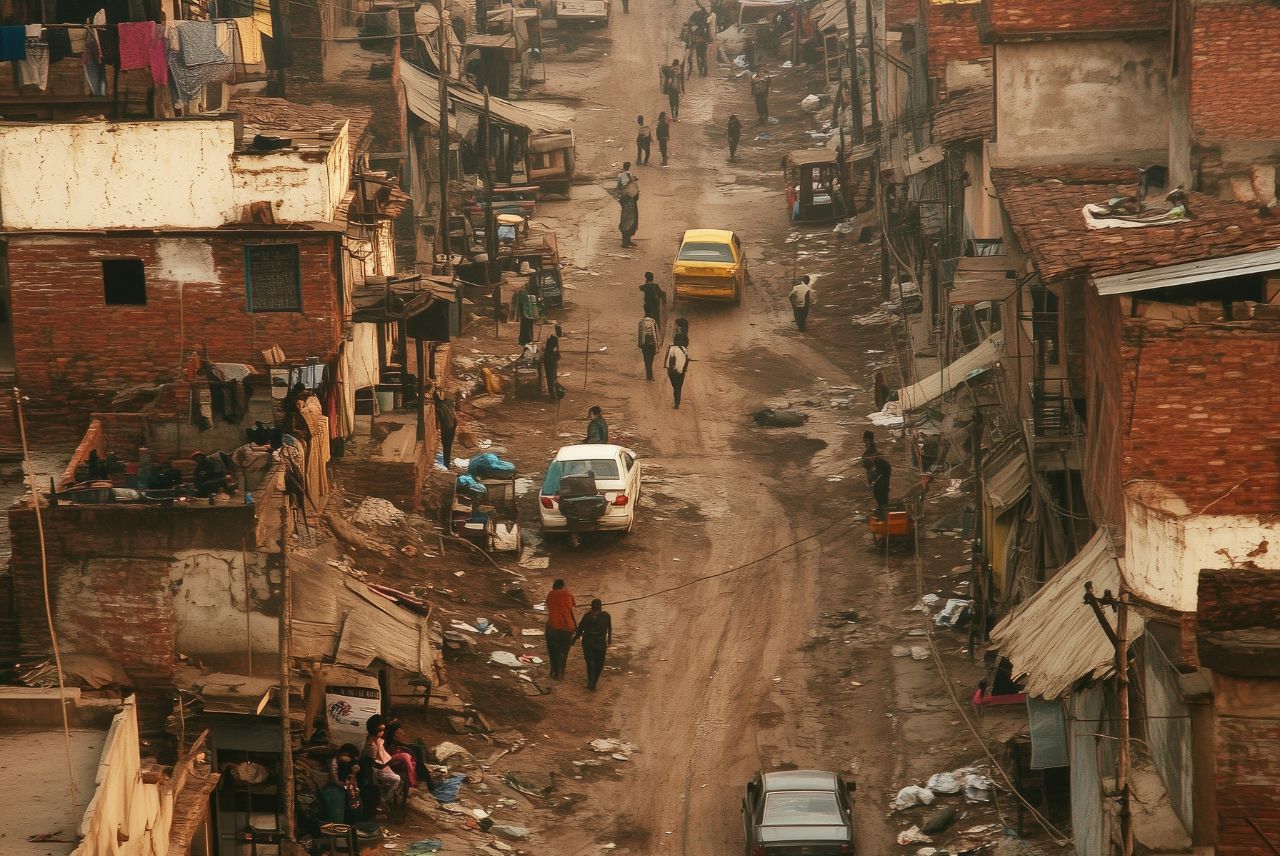
Uttar Pradesh’s vast geographic spread and dense population make it acutely vulnerable to a wide range of natural and human‑induced hazards, including riverine floods, droughts, earthquakes, heatwaves, lightning, storms, snakebites, etc. These risks are amplified by rapid urbanisation, stressed infrastructure and services, and pronounced socio‑economic vulnerabilities among women, children, the elderly, and persons with disabilities.

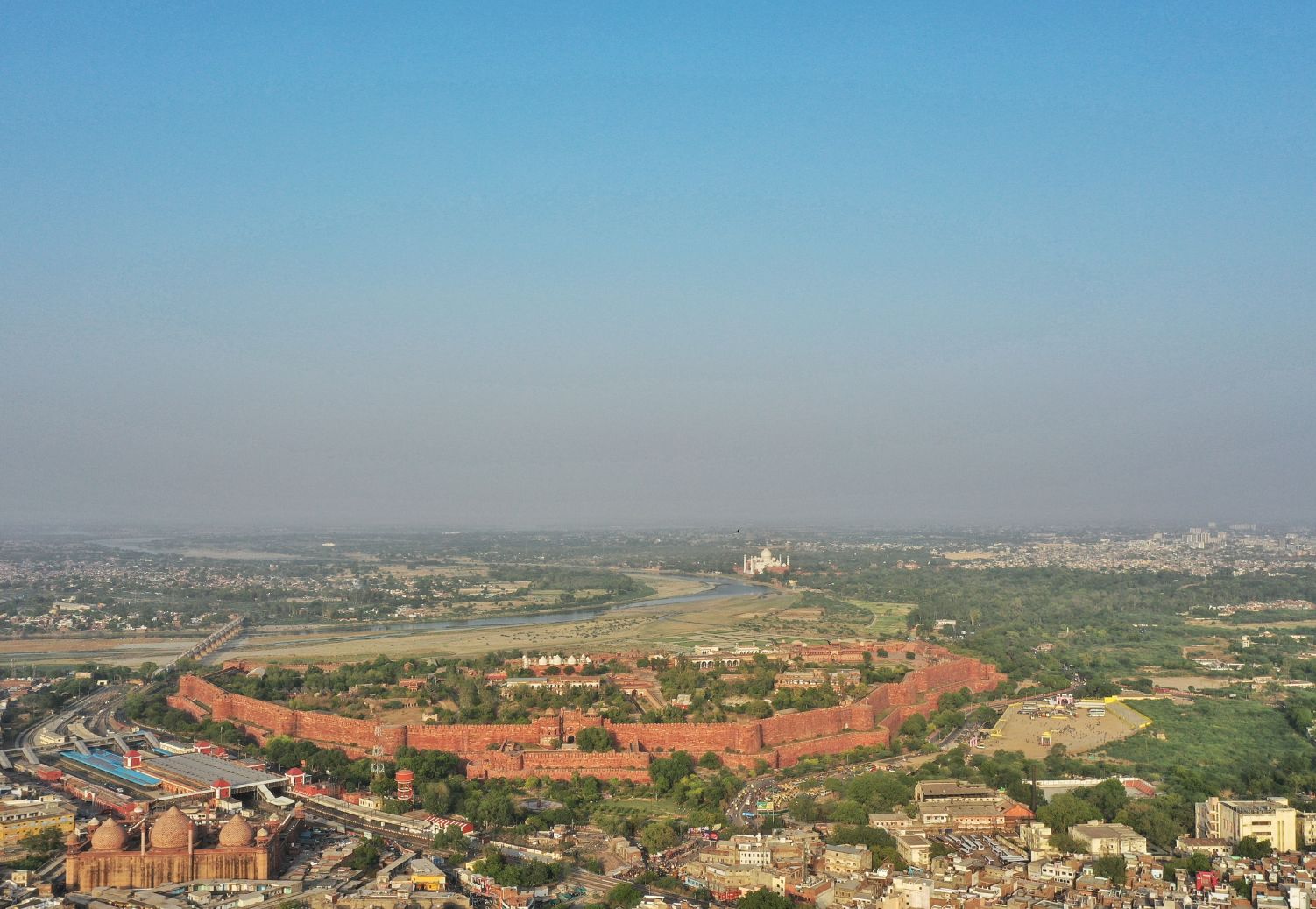
To strengthen a culture of preparedness and promote risk-informed development, the Government of Uttar Pradesh, under the aegis of UNDP and the Office of the Relief Commissioner, has initiated the development of District Disaster Management Plans (DDMPs) across 25 high-priority districts in the eastern and northeastern plains. This initiative aims to translate the Disaster Management Act, 2005 and NDMA guidelines into actionable, district-level frameworks. Through a structured approach, the DDMPs will enable local administrations to systematically map hazards, assess vulnerabilities and capacities, and establish clear, implementable protocols for preparedness, response, mitigation, and recovery. By institutionalising these processes at the district level, the project seeks to build resilient systems, enhance coordination among stakeholders, and ensure that disaster risk reduction is embedded within local development planning. This assignment aims to transform DDMPs from static compliance documents into living, digital blueprints for building community resilience , continuously updated through a state MIS to guide everyday decision‑making, investments, and emergency operations.

Our Role

We are providing end‑to‑end technical assistance to design and operationalise 25 comprehensive, MIS‑enabled DDMPs, strengthening risk governance, preparedness, and recovery systems across Uttar Pradesh’s most hazard‑prone districts.

Our work includes:

  • District‑Specific Risk Diagnostics: Conducting multi‑hazard HRVCA for each district, integrating historical disaster data, climate trends, socio‑economic vulnerability, critical infrastructure, and livelihood risks, using NDMA‑aligned methods and GIS analysis.
  • Participatory Plan Development: Co‑creating DDMPs through a three‑tier consultation process: strategic meetings with DDMAs and district leadership, sectoral sessions with key line departments, and ground‑level engagements with community representatives to ensure ownership and local relevance.​
  • Institutional and SOP Frameworks: Defining the roles of district DRM institutional architectures (DDMA, DEOC, IRTs, ESFs) and preparing hazard‑specific, action‑oriented SOPs including decision points, and stepwise actions for preparedness, early warning, response, and recovery.
  • Data‑Driven Resource and Finance Planning: Developing detailed resource inventories and contact databases compatible with IDRN, and analysing disaster‑related expenditure, financing gaps, and innovative risk‑financing options to inform phased, costed resilience investment plans.
  • Mainstreaming DRR into Development: Identifying entry points to embed DRR and climate resilience into District Development Plans, GPDPs, and flagship schemes (e.g., Jal Jeevan Mission, Amrit Sarovar, livelihood missions), ensuring DDMP actions leverage existing programmes and funding streams.
  • Capacity Building and Simulation: Delivering targeted workshops, table‑top exercises, and mock drills for district officials, PRIs, ULBs, frontline workers, and CSOs, using district‑specific scenarios to test SOPs and strengthen coordination and decision‑making.
  • Digital Integration with State MIS: Structuring all DDMP content, GIS layers, resource inventories, and indicators for seamless integration into UPSDMA’s cloud‑based MIS, enabling real‑time monitoring of plan implementation through dashboards, alerts, and colour‑coded progress tracking.​

By integrating robust risk analytics, inclusive field engagement, and robust digital systems, this engagement will culminate in a scalable, institutionalised model for district-level disaster risk management in Uttar Pradesh, enhancing preparedness in the immediate term while laying a sustainable foundation for long-term, climate-resilient, risk-informed development.


FROM THE DESK

Latest Projects

Anand Roop

Anandroop Bahadur

Group Head – Human Resources

Expertise

Human Resource Expertise, HR Strategy, Oragnisational Design, Talent & Leadership Development, Policy Governance

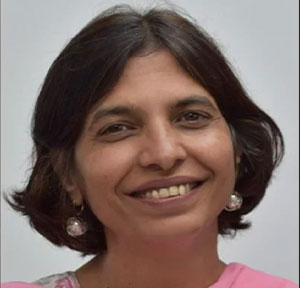
Anandroop Bahadur is a seasoned HR leader and strategic advisor with nearly two decades of experience across the development, consulting, and social impact ecosystem. She brings a strong blend of deep technical HR expertise, organizational design acumen, and a people-centric ethos to her work.

At IPE Global, Anandroop leads the Group Human Resources function across IPE Global and its associated entities, including Triple Line Consulting and IPE Africa. Her focus is on strengthening organizational foundations, enabling leadership effectiveness, and building scalable people systems aligned with the organisation’s global growth ambitions. Her remit spans HR strategy, organizational design, talent and leadership development, compensation and performance frameworks, policy governance, safeguarding, and culture integration across geographies.

Over the course of her career, Anandroop has held senior HR leadership and consulting roles with organisations such as Clinton Health Access Initiative (CHAI), Ford Foundation, NASSCOM Foundation, Central Square Foundation, Amity Education Group, and other international institutions. She has advised leadership teams and boards through periods of scale, transition, and transformation, and has led HR operations in high-growth, high-complexity environments.

She holds an Executive Degree in Human Resources from XLRI Jamshedpur and is a SHRM–SCP (Senior Certified Professional), reflecting her grounding in global HR standards and best practices. She has also completed advanced executive and leadership programmes, including training in coaching and organisational transformation, and is an ICF-trained executive coach, currently working towards her ACC credential.


Nikos Papachristodoulou

Nikos Papachristodoulou

Director

Expertise

Urban, Infrastructure, Disaster and Climate Resilience, Inclusive Growth

Nikos has expertise in urban and regional economic development, infrastructure, disaster and climate resilience, and inclusive growth. He oversees and manages projects for Triple Line’s cities and infrastructure portfolio.

Nikos is an urban specialist, with principal areas of expertise in urban and regional economic development, infrastructure, disaster and climate resilience, and inclusive growth. Over the past 12 years he has worked for a range of clients including the World Bank, FCDO, EU, USAID, Cities Alliance, Global Green Growth Institute (GGGI), Norwegian Refugee Council (NRC), and local authorities.

Nikos’s work has incorporated the full spectrum of the project cycle, from analytics and programme scoping and design, through implementation, and evaluation and learning.

He has a high level of familiarity with HMG business cases and ODA eligibility criteria having led and supported the development of FCDO’s urbanisation strategy and options for future investments in Somalia’s cities, Prosperity Fund Global Future Cities Programme (GFCP) scoping in Nigeria, and the development of the business case for an urban resilience programme in Tanzania.

Nikos also brings excellent understanding of World Bank latest trends and procedures as a result of his involvement in a number of analytics and technical assistance projects, including on informal settlements upgrading in Mogadishu, climate change adaptation planning in Latin American and Caribbean cities, assessment of the climate resilience of Dar es Salaam’s transport infrastructure, spatial development in Nigeria, and preparation of a handbook on integrated urban flood risk management.

Nikos holds a BSc in Economics from the University of Piraeus and an MSc in Social Development Practice from the Development Planning Unit at University College London (UCL).


Ricardo Pinto

Ricardo Pinto

Associate Director

Expertise

Private Sector Development, Regulatory Reform, Regional and Local Economy

Ricardo has 35 years´ experience in private sector development, regulatory reform, regional and local economic development in the European Union, Western Balkans, Easter Partnership Countries, Middle East, Africa, etc. He is tasked with developing our strategic operations in continental Europe and Ukraine.

Ricardo is a seasoned international development professional with over 30 years of experience designing and delivering Private Sector Development and economic growth initiatives across more than 50 countries spanning Central, Eastern and Southeast Europe, the CIS, Africa, MEDA, and Asia. He holds both a bachelor’s degree and PhD from the London School of Economics and Political Science (LSE) and is a Certified Management Consultant (CMC).

Ricardo brings a unique combination of strategic insight and practical implementation expertise. He has led high-impact assignments for key development institutions, including the European Commission, OECD, GIZ, FCDO/DFID, UNDP, UNCTAD, EBRD, ILO, ADB, World Bank, USAID, and Danida.

With a deep and practical understanding of institutional architecture, policy environment, and post-conflict recovery dynamics, and a career spanning over 30 years across transition economies, Ricardo brings not only technical depth but also a trusted reputation among donors, policymakers and peers.He is leading Triple Line’s strategic expansion into continental Europe, including Ukraine, while strengthening our credibility across the broader region and beyond. Proven Expertise Across Our Core Pillars. Ricardo’s work focuses on the areas central to Triple Line’s evolving service offering: Governance & Institutional Reform: advising public institutions on regulatory impact, policy reform, and donor coordination, Private Sector Development: strategy development for SME ecosystems, innovation, and competitiveness, Infrastructure Enabling Conditions: support for investment climate improvement and regional/local economic development and Cross-cutting themes, including green transition, women’s economic empowerment, and inclusive growth

 
Ms Arti Ahuja

Arti Ahuja

Director

Retired from the Indian Administrative Services, Ms Ahuja has over 34 years of experience in administration, policy formulation, project management, and leadership across the public sector. Her expertise spans health systems, nutrition, women’s workforce participation, vulnerable populations, petrochemicals, and social sector programs. She has held several senior positions in the Government of India, including Secretary, Ministry of Labour and Employment, where she led reforms to strengthen worker welfare and represented India at the G20 Employment Working Group; Secretary, Ministry of Chemicals and Petrochemicals, where she initiated the Production Linked Incentive (PLI) scheme; and Secretary, Women & Child Development, where she directed large-scale nutrition and empowerment initiatives, strengthening the Integrated Child Development Services (ICDS). As Secretary of Health, Government of India she played a pivotal role in India’s COVID-19 response, launched the National Digital Health Mission, and advanced national programs on TB and AIDS control. She continues to advise on gender, climate change, and nutrition, contributes to national and international publications, and teaches public policy and nutrition at leading academic institutions. She holds a Master’s degree in Public Health from the Harvard School of Public Health; Master’s in Public Policy from Princeton University; Master’s in Economics (Gold Medallist) from Panjab University, and is a Bachelor of Law from the University of Delhi.

LIFE AT IPE

Learning &
Development (L&D)

We inspire people to be better.

Our intuitive and personalised programmes provide clear path for growth, leadership development, and help people sharpen their skills.

0 %
People trained in last 3 years
0 %
Participation in L&D Initiatives in 2025

Your journey starts from Day One….

Structured Onboarding

Helps align expectations and lays the foundation for your success

New Hire Training

Makes you familiar with the organisation; helps you settle down in a new work environment

Customized L&D Platform

Helps upskill at your own pace through continuous learning and training programmes

Linkage with
Performance Management

Aligns resources and training needs based on your skill set

Learning is not always a formal process. We also align our organisation values to a culture of learning