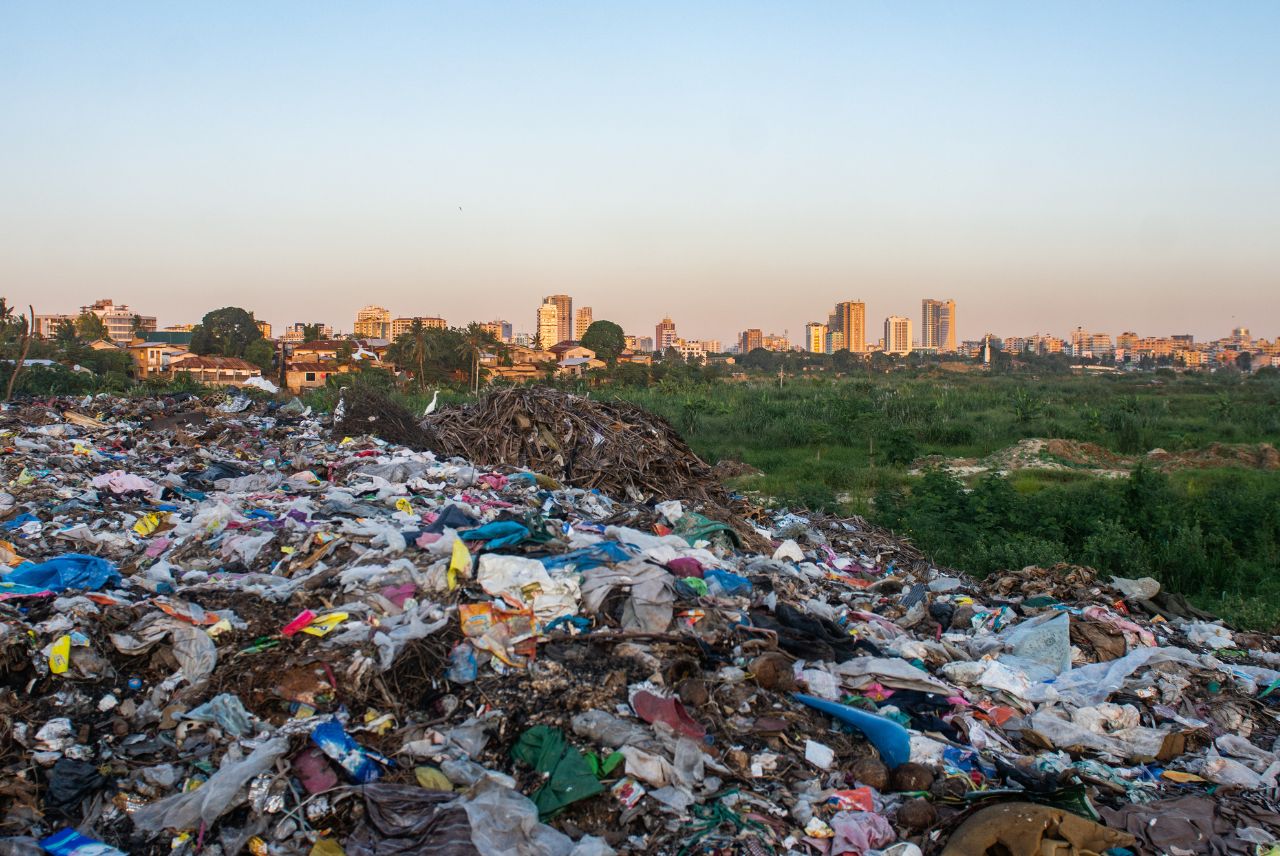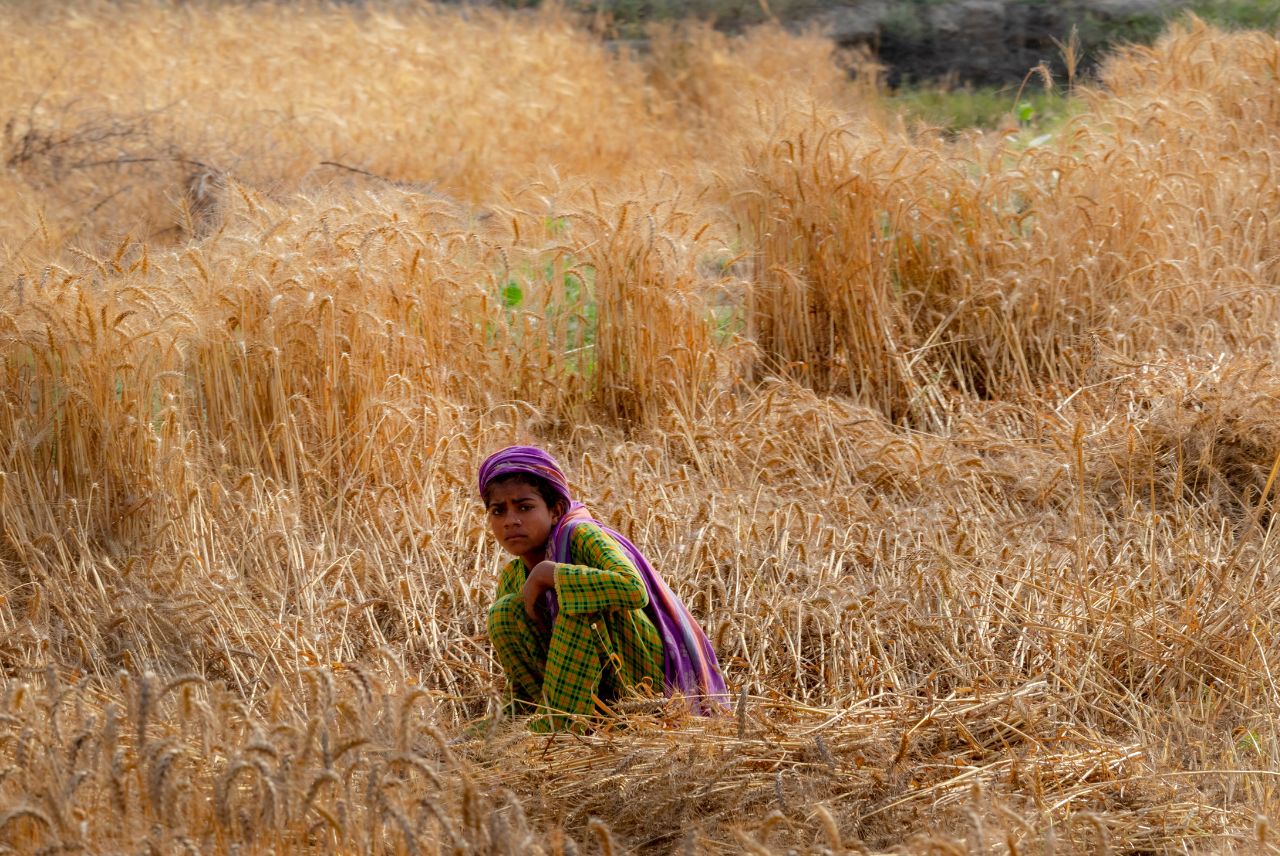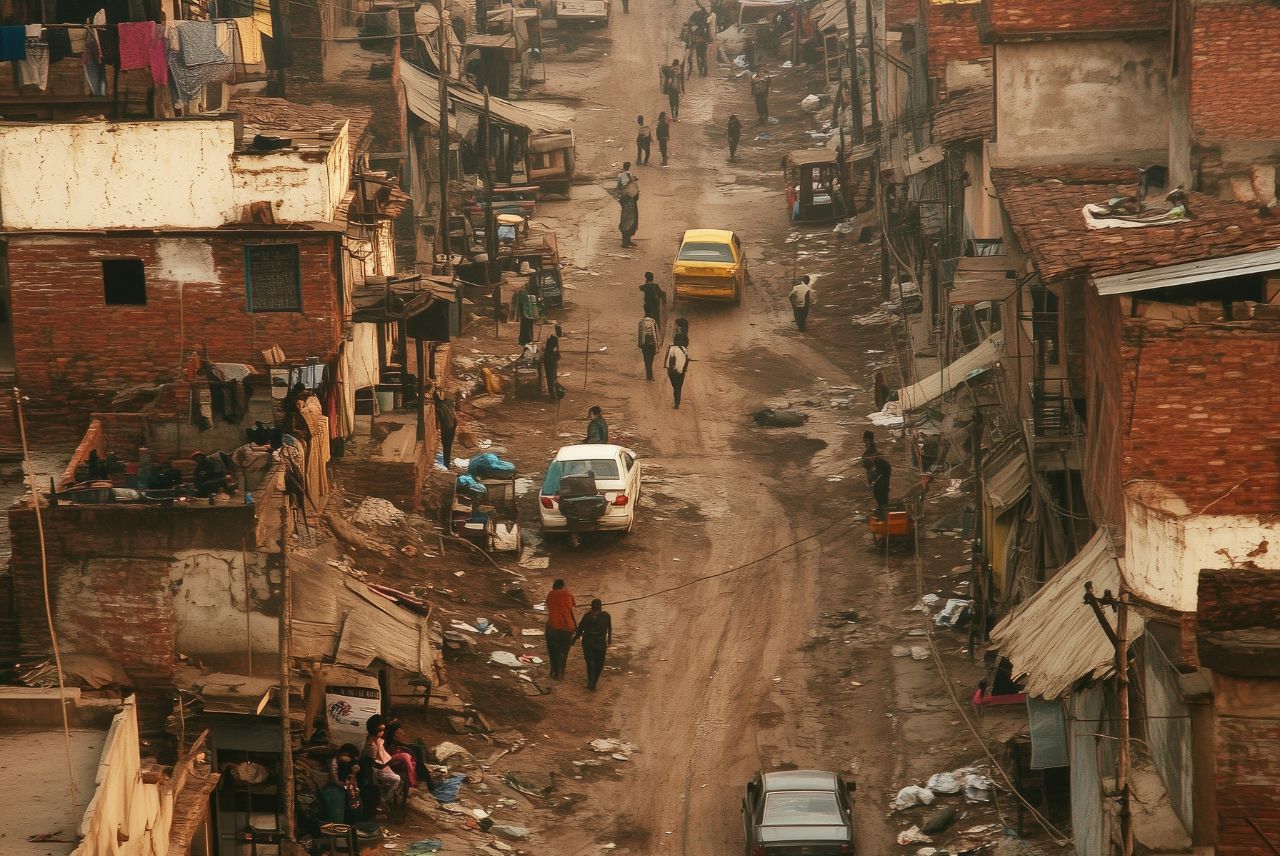
As the world’s third-largest carbon emitter, after China and the US, India faces severe climate impacts on health, livelihoods, and infrastructure, with Uttarakhand at a comparative disadvantage versus the rest of the states. Considering Uttarakhand’s comparative disadvantage in this regard, the State required knowledge of practical solutions to address this problem. We worked to integrate climate agendas into the Mahatma Gandhi National Rural Employment Guarantee Act (MGNREGA) – a flagship programme supporting millions of rural households – thereby contributing to the economy.
Our assignment focused on creating a climate-focused training module for the state, collating and contextualising capacity-building materials on mitigation and adaptation activities under MGNREGA. The module guided policymakers, implementing staff, women leaders, PRIs, and local communities on sectoral climate-resilient practices in agriculture, water, land use, and infrastructure, while advancing Green Recovery and Build Resilience (GRBR) goals.
Our Role
We developed climate change adaptation and mitigation training modules for PRIs and other MGNREGA stakeholders in Uttarakhand. The material included:
- Framework for integrating adaptation and mitigation into MGNREGA.
- Sector-specific activities and technologies in agriculture, water, land use, and infrastructure linked to climate action.
- Thematic sessions with corresponding PPTs tailored to MGNREGA’s sectoral priorities.
- Criteria and weightages for evaluating MGNREGA activities.
- Final training resources and workshop notes on climate adaptation and mitigation.