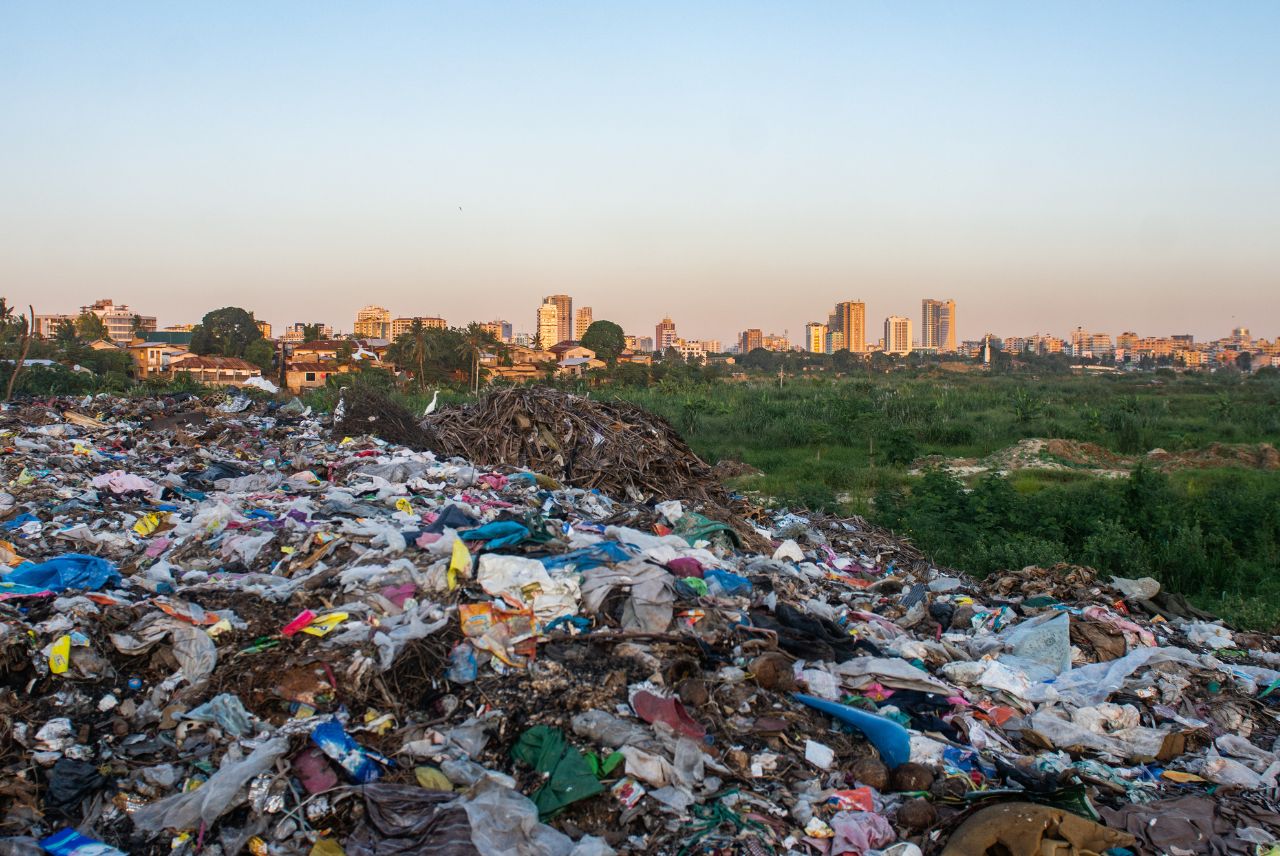
Organic waste comprises 50-50% of total municipal solid waste in Delhi. The primary aim of this project is to improve the efficiency of organic waste management by:
- Establishing a comprehensive mapping of organic waste fractions generated across Delhi.
- Analysing the existing organic waste system value chain, focusing on generation to collection, transportation, and processing/dumping.
- Carrying out quantification and characterisation of different organic waste streams.
- Providing technical support by analysing suitable technology for adoption and implementation for organic waste recycling.
- Providing detailed recommendations and a roadmap for developing an enabling framework for improving the organic waste handling.
- Promoting efficient recycling and management of organic waste, thereby reducing emissions from landfills, and enhancing circular economy practices in urban waste systems.
Our Role
We carried out a comprehensive review of Delhi’s municipal solid waste management (MSWM) system, covering all three municipal authorities. Our work included:
- Reviewing MSWM master plans, technical guidelines, judicial submissions, and regulatory reports.
- Forecasting current and future organic waste generation from mixed waste.
- Quantifying and characterising waste at key points – collection sites, Dhalaos, transfer stations, processing plants, and dumpsites.
- Visiting all organic waste facilities to document handling, processing, and disposal.
- Mapping major generation hotspots – mandis, parks, slaughterhouses – and assessing leakage risks to water bodies.
- Analysing PPP contracts and engaging stakeholders to improve management.
- Studying pollution impacts, dumpsite fire trends, and GHG emissions.
- Conducting SWOT and financial analyses of the value chain.
- Evaluating CER potential to attract future PPP investments in SWM projects.