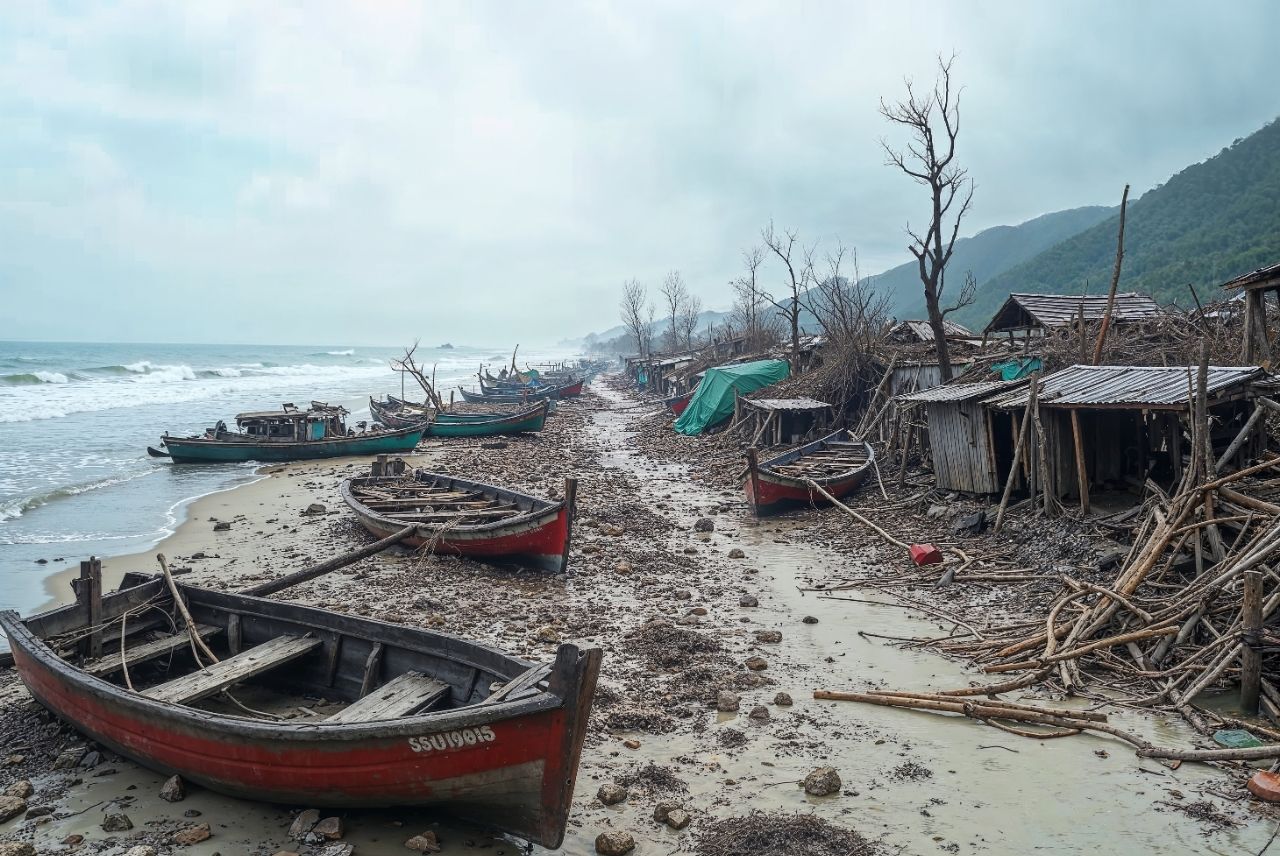
Nagaland’s geographic and climatic profile makes it highly susceptible to a range of natural hazards such as earthquakes, landslides, floods, cyclones, forest fires, and drought-like conditions. These hazards, particularly severe during monsoon seasons, frequently disrupt infrastructure, public services, and livelihoods across the state.
To institutionalise disaster preparedness and mainstream risk-informed governance, the Government of Nagaland, in line with the Disaster Management Act, 2005, is strengthening departmental capacities by developing tailored Departmental Disaster Management Plans (DDMPs). These plans aim to ensure that every department can effectively anticipate, prepare for, and respond to disasters in a coordinated and timely manner.
Our Role
We are delivering technical expertise to design 10 robust District Disaster Management Plans (DDMPs), strengthening preparedness and response capacities across critical state departments.
Our work includes:
- Department-Specific Risk Assessments: Mapping historical and emerging risks relevant to each department’s operations using district-level data and hazard profiles.
- SOP Development and Emergency Protocols: Outlining clear standard operating procedures (SOPs) for preparedness, early warning, response, and recovery.
- Institutional Role Mapping: Defining roles and responsibilities of departments during different phases of the disaster management cycle to ensure coordinated action.
- Inventory & Resource Mapping: Developing resource directories and emergency mobilisation plans, including personnel, logistics, and assets.
- Template-Based Scale-Up: Supporting all remaining departments in populating a standardised DDMP template, ensuring scalability and institutional capacity building across government.
This initiative will both enhance Nagaland’s departmental disaster response capacity also serve as a model for replication in other Indian states seeking to embed disaster resilience within departmental governance structures.
.