2024

-2025

South Sudan: Assessing Urban Disaster Risks and Investment Options for Urban Disaster Risk Reduction

The World Bank

South Sudan: Assessing Urban Disaster Risks and Investment Options for Urban Disaster Risk Reduction

The World Bank

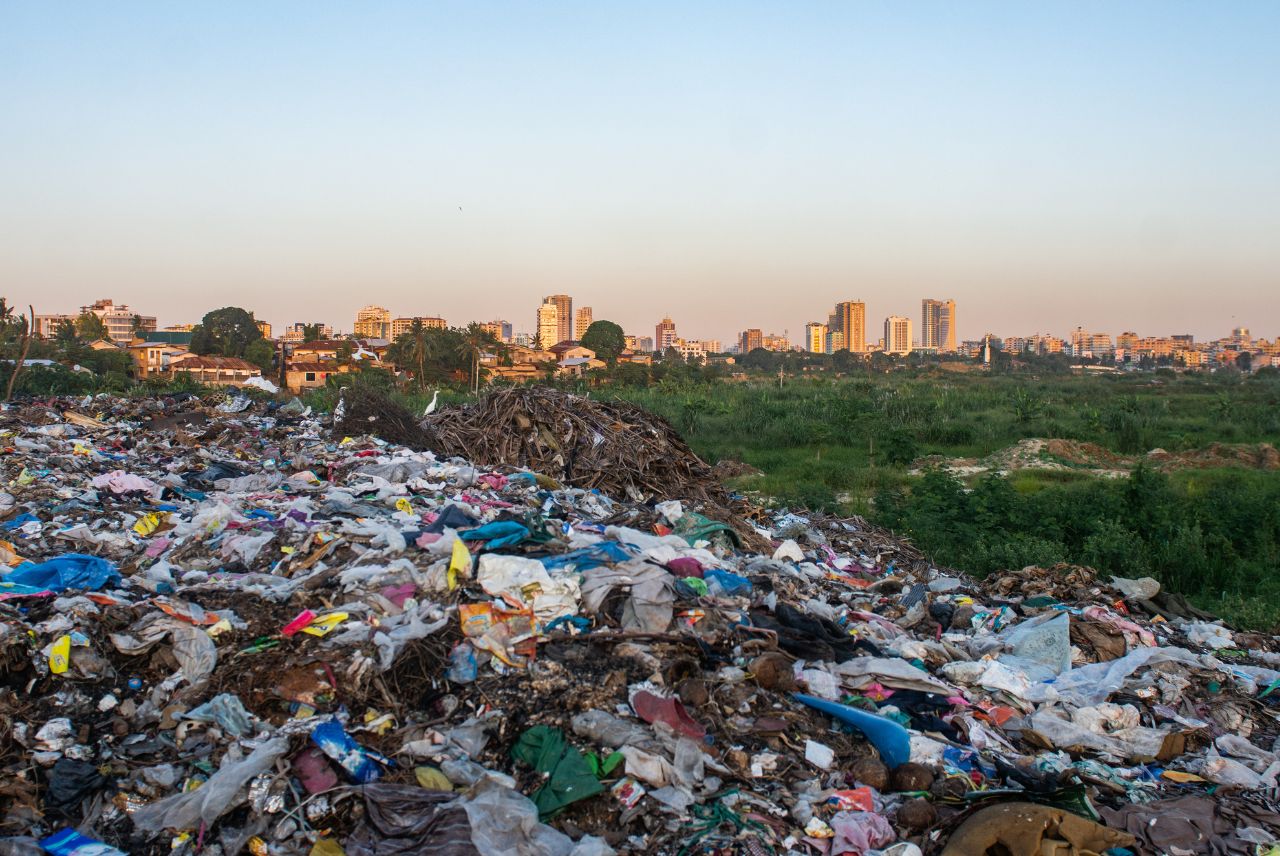
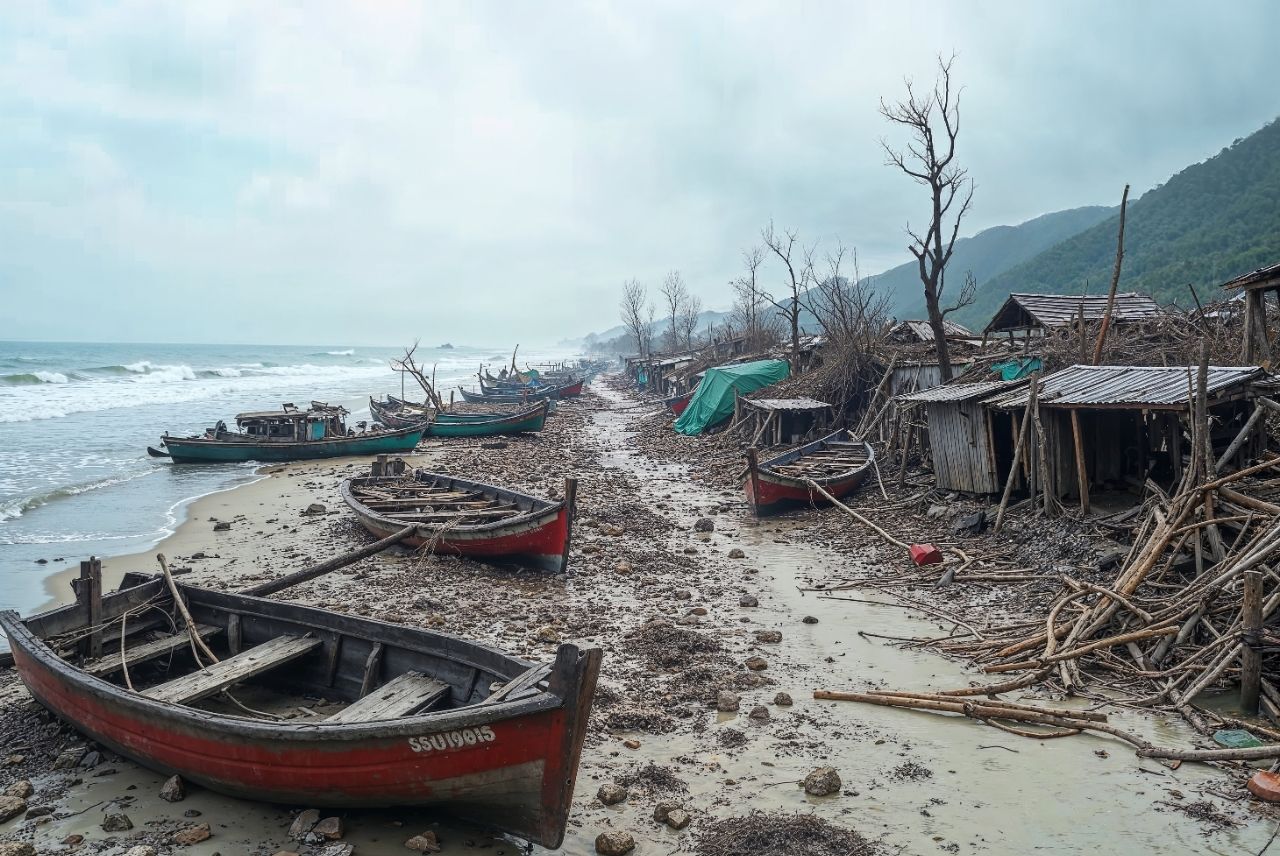
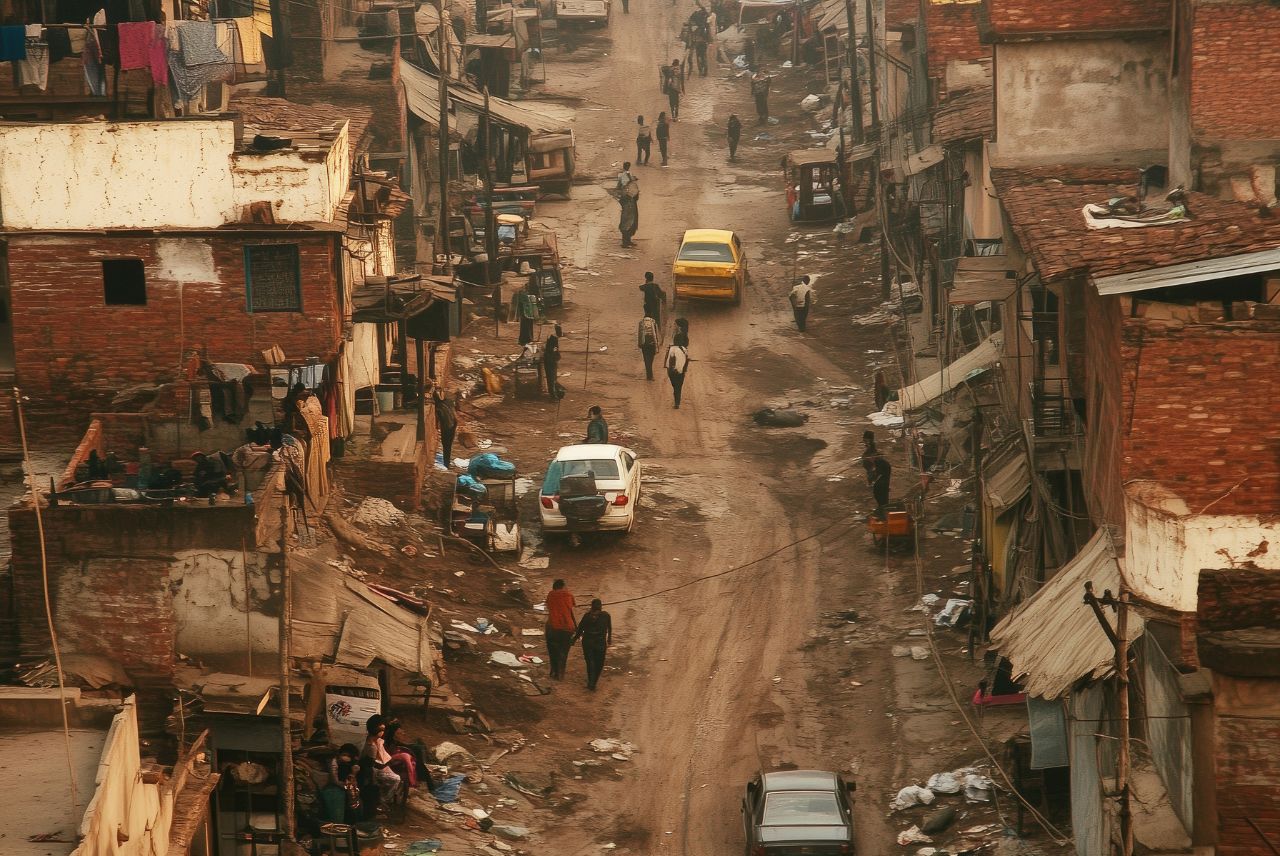
This project focused on evaluating climate-induced hazards and urban disaster risks in South Sudan, with the objective of informing resilient development planning and strategies.

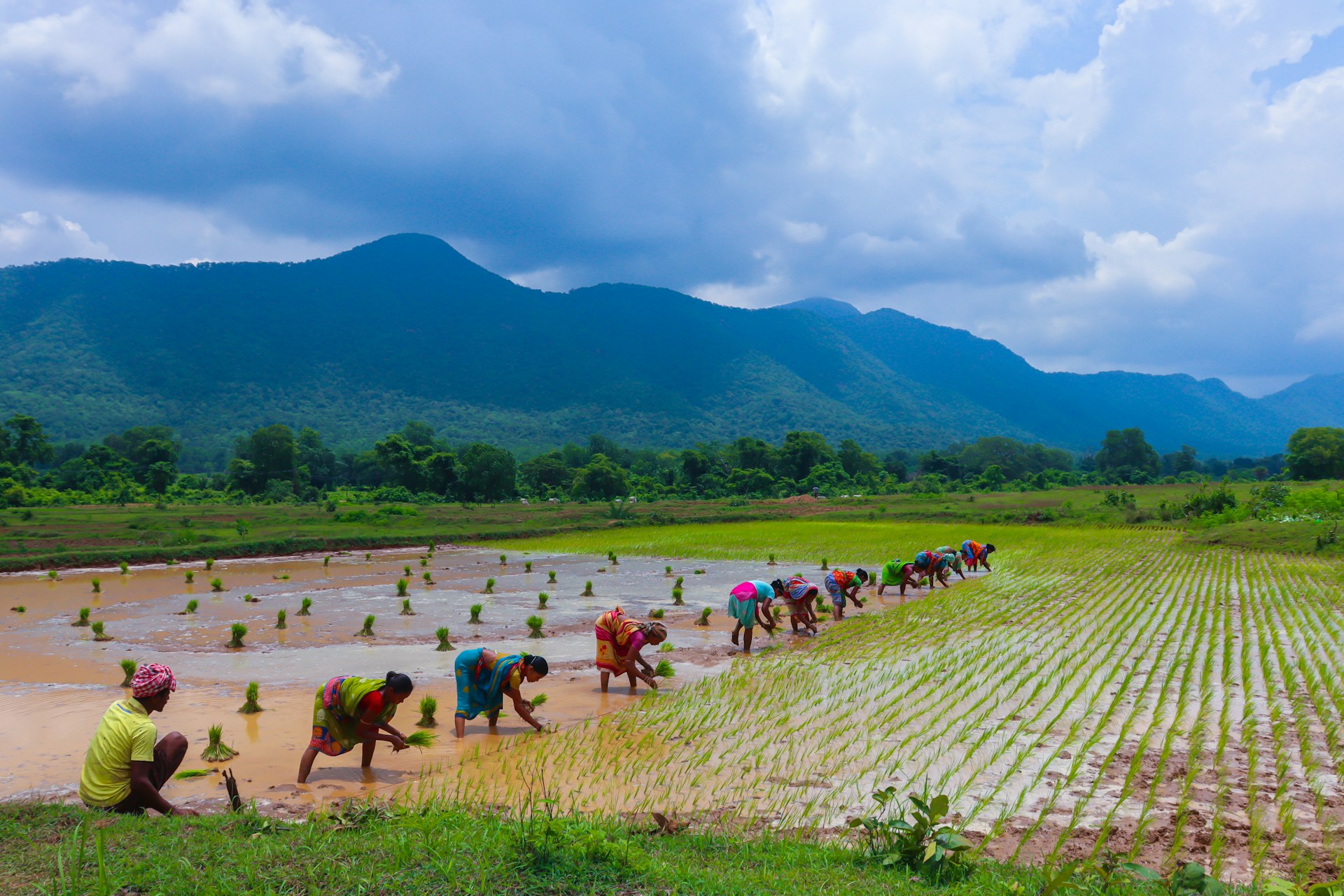
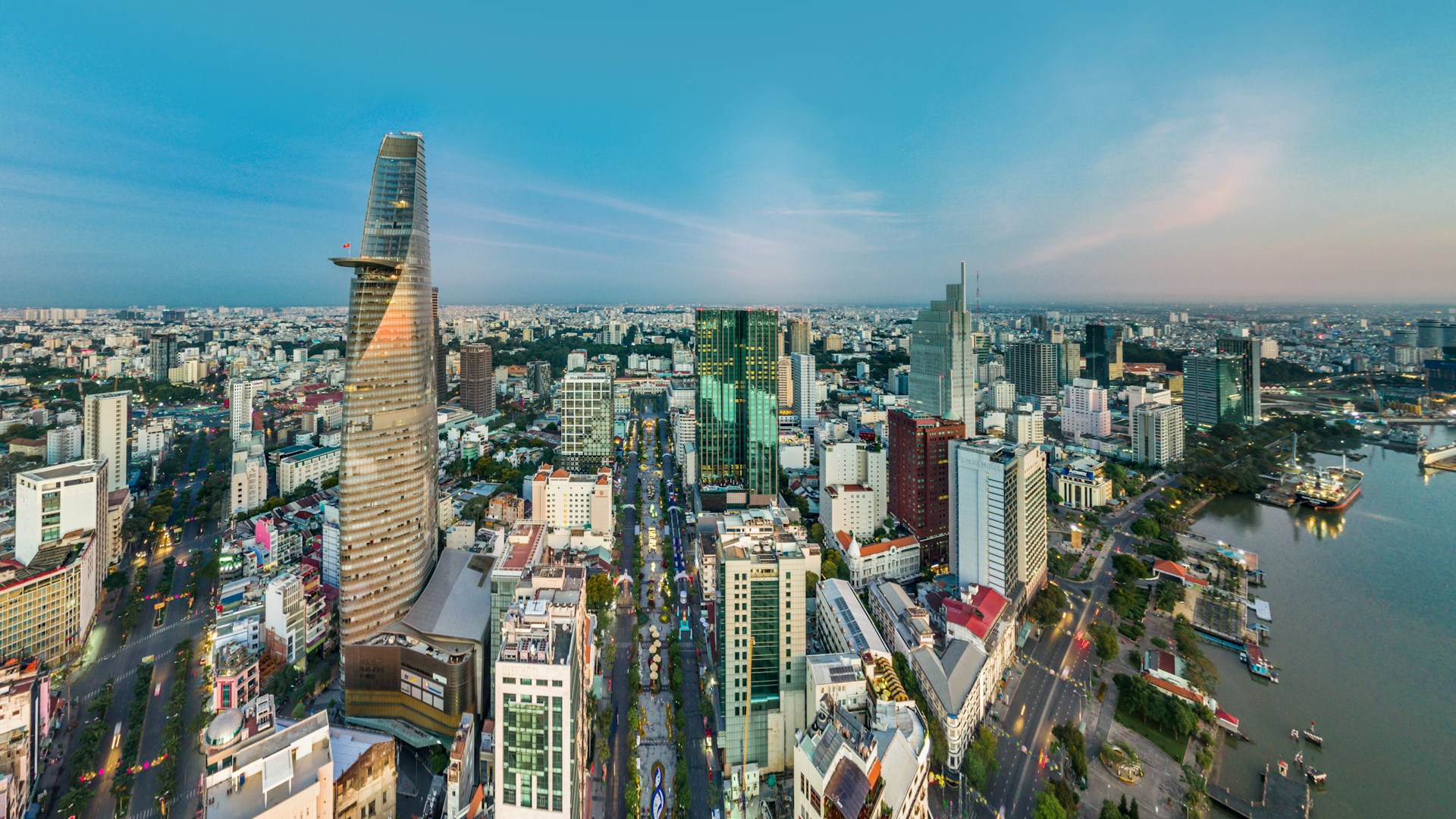
This project focused on evaluating climate-induced hazards and urban disaster risks in South Sudan, with the objective of informing resilient development planning and strategies. It involved identifying high-risk regions and vulnerable populations, and analysing how climate-related shocks, such as floods, droughts, and extreme weather events, pose threats to urban development outcomes. The study was designed to generate evidence-based insights through a structured assessment of climate hazards, exposure, vulnerability, and risk, followed by a comprehensive review of adaptation needs and resilience-building opportunities.

The outputs aim to support the World Bank and other stakeholders in mainstreaming climate resilience into urban planning, strengthening institutional capacities, and guiding the design of strategic investment plans, including those supported by climate finance.

Our Role:

As part of this initiative, we

  • Conducted a detailed climate hazard, exposure, vulnerability, and risk assessment, integrating geospatial and socio-economic data to identify urban hotspots most at risk of climate-related disasters.
  • Delivered a comprehensive adaptation and resilience assessment, outlining priority measures to reduce climate and disaster vulnerability across urban systems such as housing, water infrastructure, drainage, and social services.
  • Assessed investment options for disaster risk reduction and climate adaptation, focusing on scalable
    and context-specific interventions aligned with national priorities and World Bank frameworks.
  • Integrated climate finance dimensions by:
    -Identifying blended finance mechanisms and results-based financing opportunities to fund urban resilience investments.
    -Proposing access pathways to global climate funds (such as the Green Climate Fund and Adaptation
    Fund) for urban infrastructure projects.
    -Recommending de-risking instruments and concessional finance structures to attract private capital into urban climate resilience efforts.
    -Supporting the design of climate-smart investment pipelines that align with both donor and domestic financing frameworks.

Through this work, we contributed to strengthening the climate resilience of urban systems in South Sudan, enabling the World Bank and its partners to make informed, finance-ready decisions for long-term urban disaster risk reduction.
FROM THE DESK

Latest Projects

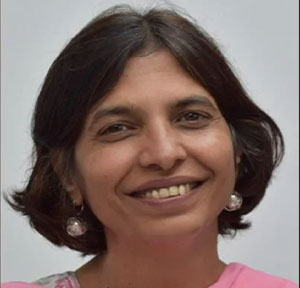
Ms Arti Ahuja

Arti Ahuja

Director

Retired from the Indian Administrative Services, Ms Ahuja has over 34 years of experience in administration, policy formulation, project management, and leadership across the public sector. Her expertise spans health systems, nutrition, women’s workforce participation, vulnerable populations, petrochemicals, and social sector programs. She has held several senior positions in the Government of India, including Secretary, Ministry of Labour and Employment, where she led reforms to strengthen worker welfare and represented India at the G20 Employment Working Group; Secretary, Ministry of Chemicals and Petrochemicals, where she initiated the Production Linked Incentive (PLI) scheme; and Secretary, Women & Child Development, where she directed large-scale nutrition and empowerment initiatives, strengthening the Integrated Child Development Services (ICDS). As Secretary of Health, Government of India she played a pivotal role in India’s COVID-19 response, launched the National Digital Health Mission, and advanced national programs on TB and AIDS control. She continues to advise on gender, climate change, and nutrition, contributes to national and international publications, and teaches public policy and nutrition at leading academic institutions. She holds a Master’s degree in Public Health from the Harvard School of Public Health; Master’s in Public Policy from Princeton University; Master’s in Economics (Gold Medallist) from Panjab University, and is a Bachelor of Law from the University of Delhi.

LIFE AT IPE

Learning &
Development (L&D)

We inspire people to be better.

Our intuitive and personalised programmes provide clear path for growth, leadership development, and help people sharpen their skills.

0 %
People trained in last 3 years
0 %
Participation in L&D Initiatives in 2025

Your journey starts from Day One….

Structured Onboarding

Helps align expectations and lays the foundation for your success

New Hire Training

Makes you familiar with the organisation; helps you settle down in a new work environment

Customized L&D Platform

Helps upskill at your own pace through continuous learning and training programmes

Linkage with
Performance Management

Aligns resources and training needs based on your skill set

Learning is not always a formal process. We also align our organisation values to a culture of learning