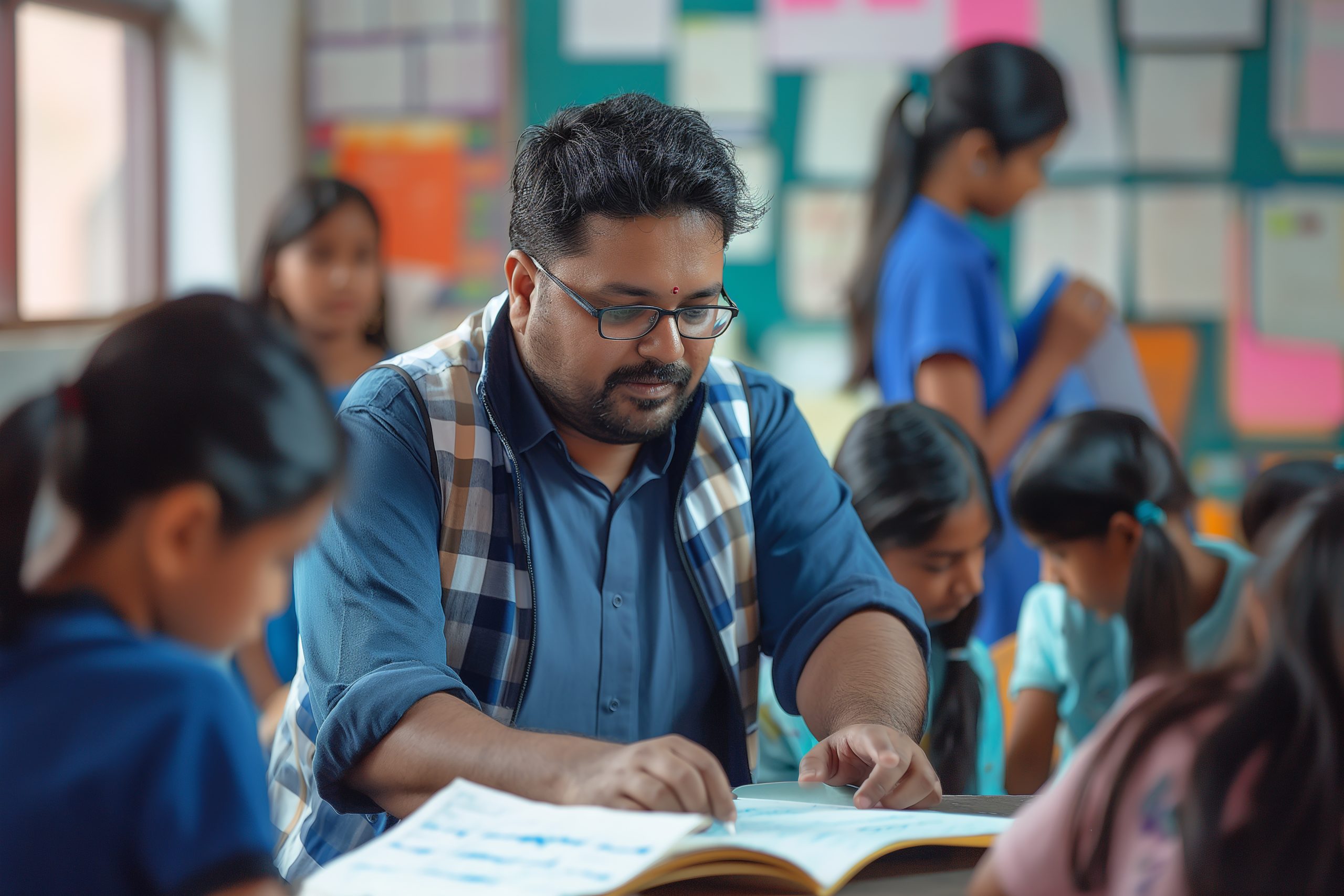
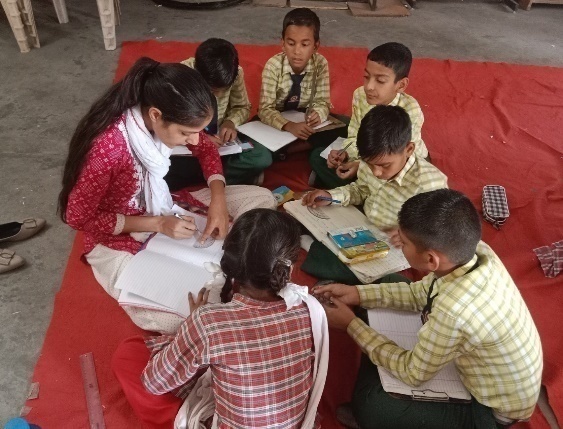
The STARS Program is a flagship initiative aimed at transforming school education through five key components. It focuses on strengthening early years education to build strong foundations, upgrading learning assessment systems for accurate measurement of progress, and enhancing teacher performance through modern classroom practices. In addition, the program reinforces service delivery mechanisms to ensure efficiency and accountability, while expanding vocational education and training to equip students with 21st-century skills. Together, these components drive excellence, inclusivity, and future readiness in education. As the Project Management Unit, we provide comprehensive technical and managerial support to improve educational practices in Himachal Pradesh across these thematic areas.
Key Deliverables
- Child-friendly Teaching Learning Materials (TLMs) were introduced in 6,202 schools, providing age-appropriate and activity-based resources. These materials have made classrooms more engaging and interactive, while promoting inclusivity and significantly improving learning outcomes for young children
- Facilitating the establishment of a state-level assessment centre for decentralised and real-time evaluation of student learning outcomes
- The State Assessment Cell and a Teacher Competency Framework (aligned with NPST) were established to strengthen assessments and teacher performance. Over 50% of teachers were trained in classroom assessment, and 5,000 teachers’ subject knowledge was evaluated, enabling data-driven improvements in teaching quality
- More than 75% Teachers (Elementary and Secondary) and 500+ mentors across subjects and ECCE received training on subject-specific and generic modules, enhancing pedagogy, mentoring quality, and professional growth. This has strengthened teaching practices and improved student learning outcomes
- Innovative teacher programs such as PRERNA were developed to strengthen holistic education. These initiatives equipped teachers with tools to foster life skills, guide career choices, and adopt creative teaching practices, thereby boosting student confidence, problem-solving abilities, and overall future readiness
- Successfully rolled out 16 vocational trades across schools, ensuring that each student was enrolled in a minimum of two and a maximum of three trades. This initiative provided hands-on skill development opportunities, extended vocational learning to out-of-school children, and equipped students with employability and entrepreneurship skills for their future pathways
- Created a pool of 1,000+ Key Resource Persons (KRPs) in Early Childhood Education (ECE), trained nearly 10,000 teachers across the state, strengthening foundational learning through child-centred pedagogy and improving school readiness for young learners
Impact
- Enhanced education service delivery and accountability through systematic capacity building of teachers, school leadership, and mentors
- Established robust state-level assessment mechanisms, enabling real-time, decentralised tracking of student progress and data-driven policy decisions
- Benefited over 4,00,000 students and more than half of government school teachers, fostering stronger learning outcomes and teaching quality across the state