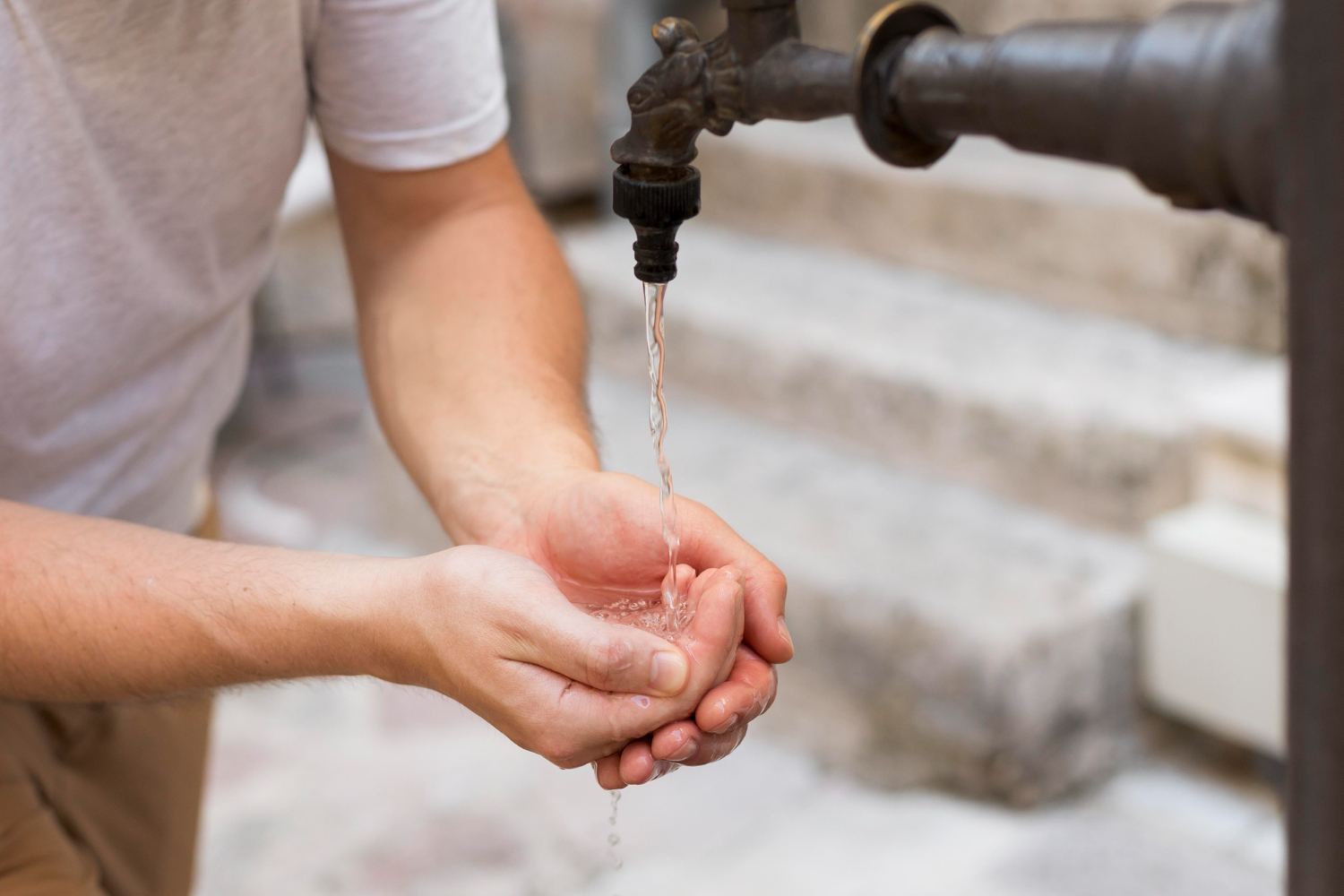
Dushanbe Water Supply and Sanitation Project in Tajikistan: Ensuring institutional strengthening and capacity development
ADBThe project focused on improving the access to basic infrastructure and water quality in the city of Dushanbe, which could lead to improved public health and a more equitable distribution of public services.

Rajasthan Urban Infrastructure Development Project (RUIDP): Involving key stakeholders for meaningful participation, with spotlight Community Awareness and Public Participation (CAPP)
ADBEnvisaged under the Rajasthan Urban Infrastructure Development Project - Phase-II (RUIDP), the Community Action Participation Program (CAPP) is required to mobilise, motivate, and facilitate participation & awareness of the community in project towns.

Khulna Sewerage System Development Project, Bangladesh: Addressing the poor sanitation situation in the city
To improve the sanitation situation and the sewerage system of Bangladesh’s third largest city, the Khulna Sewerage System Development Project (KSSDP) was initiated on the basis of the Master Plan developed in 2020, and is presently in the implementation phase. Khulna Water Supply and Sewerage Authority (KWASA) is the nodal agency for wastewater management inside the city corporation boundary as per the current statutory law.

Urban sustainable development in Tanzania: Carrying out a prefeasibility study
AFDWith an aim to support sustainable urban development in intermediary cities like Mwanza and Tanga in Tanzania, the project was started by Tripleline to highlight opportunities for supply chain enhancements to improve market function for key food-related value chains.

NIPI
Providing strategic, catalytic, and innovative support to India’s National Health Mission (NHM), NIPI is testing scalable interventions in Bihar, Odisha, Madhya Pradesh, Rajasthan, and Jammu and Kashmir.
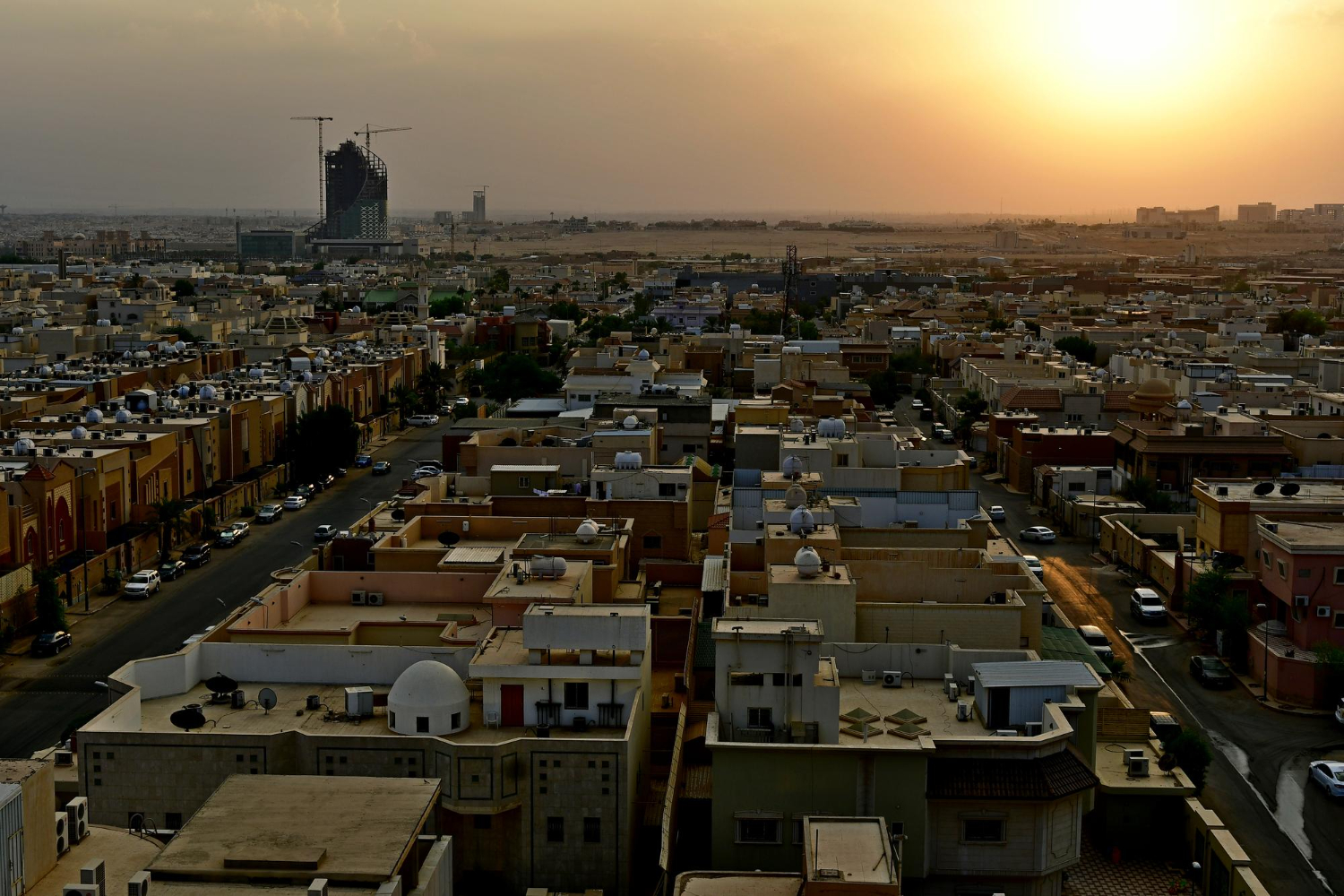
Green Urban Growth (GUG) Programme in Somalia: Supporting business case design
FCDOThe Green Urban Growth (GUG) programme proposes to unblock access to resilient basic services and create green economic opportunities, benefitting Somalia’s urban poor. As part of the project, vulnerable cities with high economic potential (trade corridors) will be prioritised.

Systems Approach for MNCH focusing on Vulnerable Geographies in India (SAMVEG): Developing responsive innovations for health systems strengthening
Aimed at filling the critical gaps in the health sector, Systems Approach for MNCH focusing on Vulnerable Geographies (SAMVEG), a follow up on USAID’s flagship project Vriddhi, encourages innovations, scale-up & sustenance of interventions to improve Maternal, Newborn & Child Health (MNCH) outcomes in identified vulnerable geographies of India.
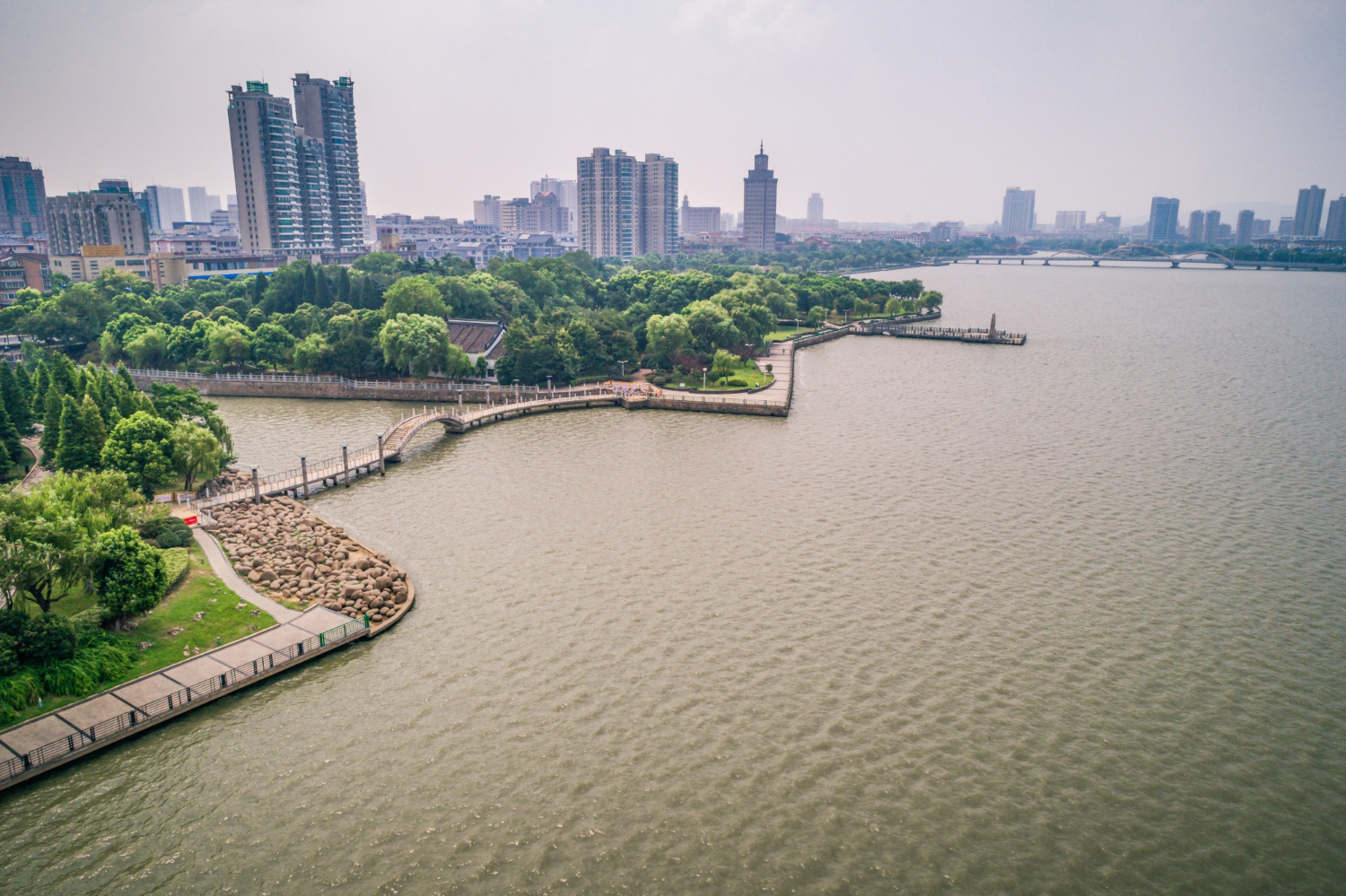
Tamil Nadu Sustainable Urban Development Project (TNSUDP): Studying the best practices and lessons learnt
The World BankFocused on improving urban services in the participating Urban Local Bodies (ULBs) in a financially sustainable manner and piloting improved management practices in selected cities, the Tamil Nadu Sustainable Urban Development Project (TNSUDP) is being implemented by the Government of Tamil Nadu with the assistance of World Bank The total outlay of the project is US $ 600 million, of which World Bank assistance is US $ 400 million.
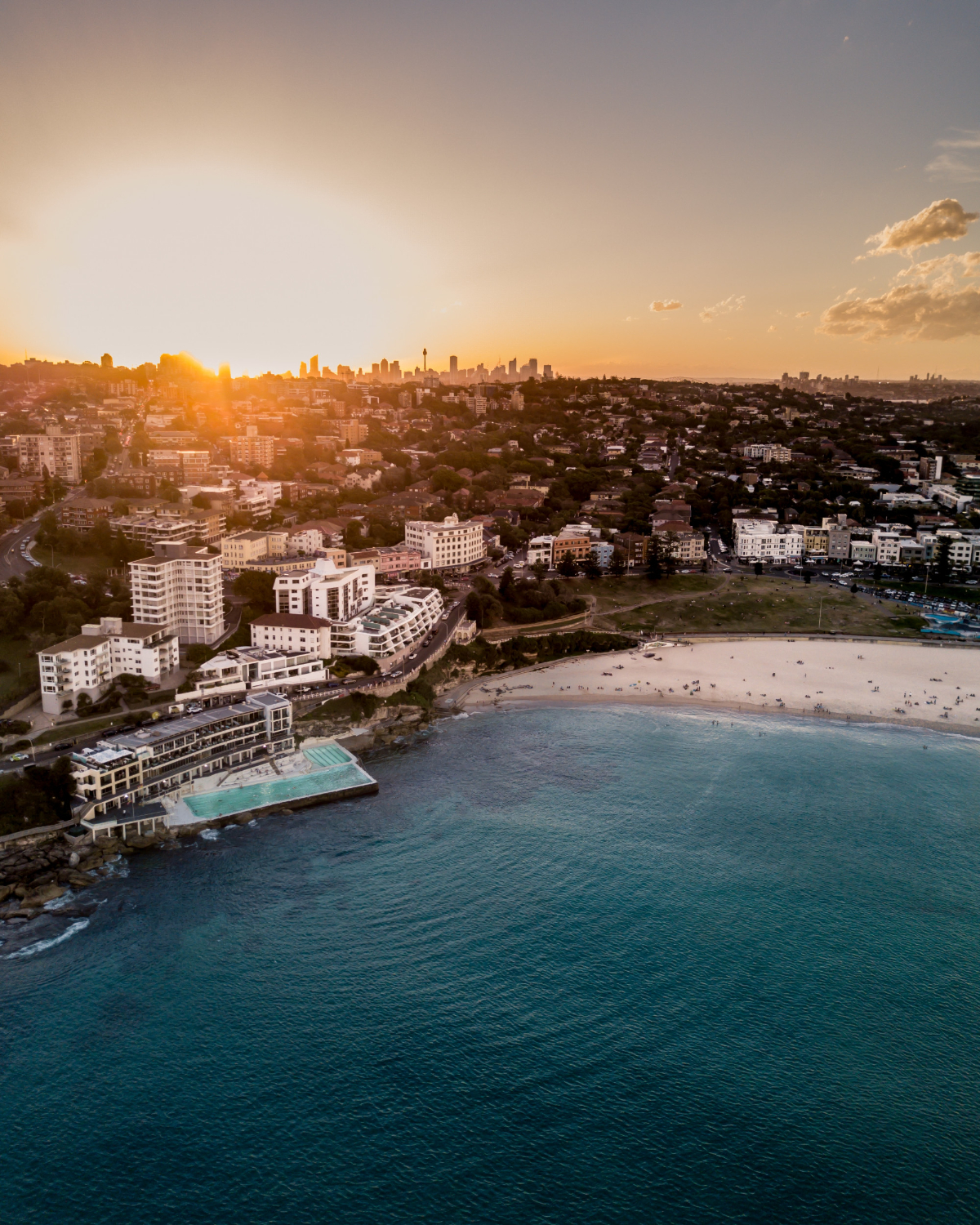
Cities and Infrastructure for Growth Ghana (CIG Ghana) Programme: Scaling up and improving urban services
FCDOThe programme focused on urban flooding, producing flood modelling work, identifying potential soft and hard infrastructure interventions, and guided sources of climate finance. The Cities and Infrastructure for Growth – Ghana (CIG Ghana) Programme in its first phase delivered support to two cities (Sekondi-Takoradi and Tamale) in to address climate change.
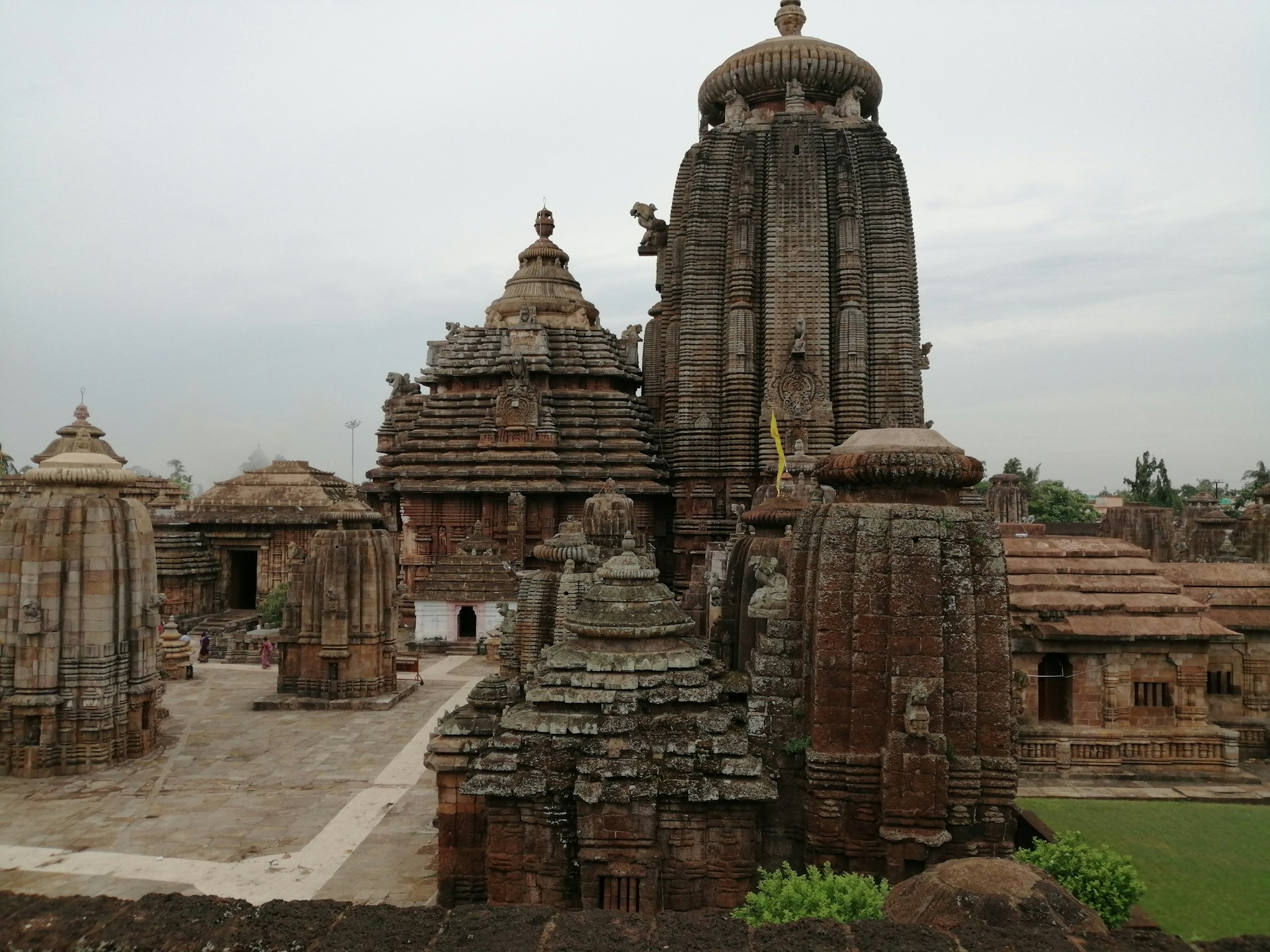
EkamraKshetra Heritage Zone: Developing viable technical solutions for planning a Low Emission Zone (LEZ) at Lingaraj Temple area in Bhubaneswar
GIZThe proposed project at ‘EkamraKshetra’ Heritage Zone in Bhubaneswar has a concept in place for development of Low Emission Zones (LEZ) around Lingaraj Temple. The concept aims to provide people a unique experience.

Support for Chennai City Partnership Programme for Results (PforR): Appointing Independent Verification Agency (IVA) for assessing Disbursement Linked Indicators (DLIs)
World BankFocused on poverty reduction, good quality service delivery with universal access, and environmental conservation, Government of Tamil Nadu (GoTN) has set up an Urban Service Delivery Improvement Programme for Chennai Municipal Administration, aligned with Tamil Nadu’s Vision 2023. To cater to GoTN’s need, the World Bank prepared the Chennai City Partnership Programme for Results (PforR) operation.

Evaluation of Zimbabwe Programme Portfolio: Supporting economic development and poverty reduction
DFIDAimed at providing evidence and learnings, the purpose of this evaluation was to to optimise the impact and value for money.