In These Troubled Times, The Tough Get Going

These Poshan Champions use a simple instrument, the cellphone, to help pregnant and lactating women. COVID-19 has wreaked havoc all over. It has not only led to millions of people suffering due to loss of jobs and livelihood...

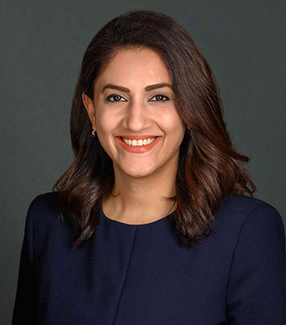
Namita Wadhwa: Team Leader, Rajpusht

These Poshan Champions use a simple instrument, the cellphone, to help pregnant and lactating women

COVID-19 has wreaked havoc all over. It has not only led to millions of people suffering due to loss of jobs and livelihood, but has severely hampered our economy, and has also restricted our movements. We all know that. We all have felt that. But life is continuing.

People are dying in large numbers due to acute hunger and poverty, which have become much more severe due to the pandemic. Everyday babies are born. Young girls into women, and then they subsequently attain their motherhood. Experiences are changing, and challenges are increasing every day. During these times, when we are asked to stop and refrain, maintaining a proper communication has now become a grave challenge. So what steps do we take to ensure that the communication does not stop, and the connection is not broken? We speak, we talk, and let know that we are there to help, to listen and to inform. We connect. We simply reach out.

Recently, several women have stepped forward to address maternal health and child nutrition amid the pandemic, which poses a major threat to both the mother and her child’s health. Around 70 poshan champions working in Udaipur, as part of the RajPusht program of IPE Global, are currently reaching out to 30,000 Pregnant and lactating women along with their family members, only with a phone call.

One poshan champion, on an average, is connecting to at least 20 women every day. These women are actively participating in educating the women of their respective communities on taking proper care of themselves and their children in these distressed times. Having worked with them for the last 7-8 months, they are aware of the challenges, the context specific to the area, and most importantly ‘the individual story’. They speak with them in their local dialect, and help them understand the present situation because of COVID-19, and also show them the path to stay safe and keep themselves healthy.

Having been properly trained on several aspects of maternal and child nutrition, the poshan champions guide these women and their family members on how to keep the mother and child healthy.

The whole exercise is also instrumental in keeping the communities connected to the frontline workers. By introducing themselves saying something like, “Hello, my name is Manju, and I got yourdetails from your village anganwadi didi (elder sister)”, they ensure that a trust is between the beneficiaries and their service providers.

What Is The Success Rate?

An immediate eye-opener has been the accessibility and reach of women when it comes to mobile phones. Non-availability of mobile phones to the women workers was one of the major hurdles that was anticipated by the team.

Several discussions were held on persuading the family members to allow the champions to talk to women directly. In nearly 80% calls done so far, women have been the first responders. Not only are they comfortable with conversing on the phone and receiving the necessary guidance, but are also open to sharing their concerns and feedbacks. Even in the remaining 20% cases, family members,mostly husbands, have positively accepted the idea. They have either communicated themselves, or have encouraged their wives and family members to do the same.

The feedback and insights received from the women and their families are crucial for immediate responders. This method is not only helpful in increasing the accountability of the service providers, but is also helpful in connecting with individual beneficiaries on priority basis based on the feedback from the champions. Informative insights are being derived from the communication and shared with the frontline workers, which provide answers to some of the crucial questions such as:

·Are the households receiving take home ration service?

·Are pregnant women facing any challenge in regular health check-ups and monitoring?

·Is the supply-chain intact with women receiving IFA and calcium tablets?

·How is the preparedness level of women due to deliver any time now?

·Are women able to receive and utilise the benefits of Pradhan Mantri Matru Vandana Yojana?

·What is the level of awareness on infant and child feeding practices, especially amongst first- time mothers, more so when regular home based counselling is interrupted?

This is just the beginning. As the new normal is shifting, so will the engagement rules and medium. We have started simple, and are constantly striving to make sure that the chords are tight and the communication is continuous. Layering of messages and support will continue on this firm yet simple connection.

COVID-19

People Speak

Anand Roop

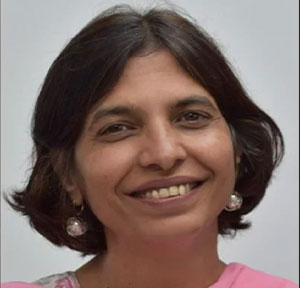
Anandroop Bahadur

Group Head – Human Resources

Expertise

Human Resource Expertise, HR Strategy, Oragnisational Design, Talent & Leadership Development, Policy Governance

Anandroop Bahadur is a seasoned HR leader and strategic advisor with nearly two decades of experience across the development, consulting, and social impact ecosystem. She brings a strong blend of deep technical HR expertise, organizational design acumen, and a people-centric ethos to her work.

At IPE Global, Anandroop leads the Group Human Resources function across IPE Global and its associated entities, including Triple Line Consulting and IPE Africa. Her focus is on strengthening organizational foundations, enabling leadership effectiveness, and building scalable people systems aligned with the organisation’s global growth ambitions. Her remit spans HR strategy, organizational design, talent and leadership development, compensation and performance frameworks, policy governance, safeguarding, and culture integration across geographies.

Over the course of her career, Anandroop has held senior HR leadership and consulting roles with organisations such as Clinton Health Access Initiative (CHAI), Ford Foundation, NASSCOM Foundation, Central Square Foundation, Amity Education Group, and other international institutions. She has advised leadership teams and boards through periods of scale, transition, and transformation, and has led HR operations in high-growth, high-complexity environments.

She holds an Executive Degree in Human Resources from XLRI Jamshedpur and is a SHRM–SCP (Senior Certified Professional), reflecting her grounding in global HR standards and best practices. She has also completed advanced executive and leadership programmes, including training in coaching and organisational transformation, and is an ICF-trained executive coach, currently working towards her ACC credential.


Nikos Papachristodoulou

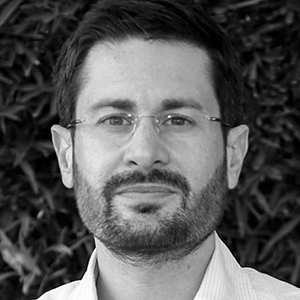
Nikos Papachristodoulou

Director

Expertise

Urban, Infrastructure, Disaster and Climate Resilience, Inclusive Growth

Nikos has expertise in urban and regional economic development, infrastructure, disaster and climate resilience, and inclusive growth. He oversees and manages projects for Triple Line’s cities and infrastructure portfolio.

Nikos is an urban specialist, with principal areas of expertise in urban and regional economic development, infrastructure, disaster and climate resilience, and inclusive growth. Over the past 12 years he has worked for a range of clients including the World Bank, FCDO, EU, USAID, Cities Alliance, Global Green Growth Institute (GGGI), Norwegian Refugee Council (NRC), and local authorities.

Nikos’s work has incorporated the full spectrum of the project cycle, from analytics and programme scoping and design, through implementation, and evaluation and learning.

He has a high level of familiarity with HMG business cases and ODA eligibility criteria having led and supported the development of FCDO’s urbanisation strategy and options for future investments in Somalia’s cities, Prosperity Fund Global Future Cities Programme (GFCP) scoping in Nigeria, and the development of the business case for an urban resilience programme in Tanzania.

Nikos also brings excellent understanding of World Bank latest trends and procedures as a result of his involvement in a number of analytics and technical assistance projects, including on informal settlements upgrading in Mogadishu, climate change adaptation planning in Latin American and Caribbean cities, assessment of the climate resilience of Dar es Salaam’s transport infrastructure, spatial development in Nigeria, and preparation of a handbook on integrated urban flood risk management.

Nikos holds a BSc in Economics from the University of Piraeus and an MSc in Social Development Practice from the Development Planning Unit at University College London (UCL).


Ricardo Pinto

Ricardo Pinto

Associate Director

Expertise

Private Sector Development, Regulatory Reform, Regional and Local Economy

Ricardo has 35 years´ experience in private sector development, regulatory reform, regional and local economic development in the European Union, Western Balkans, Easter Partnership Countries, Middle East, Africa, etc. He is tasked with developing our strategic operations in continental Europe and Ukraine.

Ricardo is a seasoned international development professional with over 30 years of experience designing and delivering Private Sector Development and economic growth initiatives across more than 50 countries spanning Central, Eastern and Southeast Europe, the CIS, Africa, MEDA, and Asia. He holds both a bachelor’s degree and PhD from the London School of Economics and Political Science (LSE) and is a Certified Management Consultant (CMC).

Ricardo brings a unique combination of strategic insight and practical implementation expertise. He has led high-impact assignments for key development institutions, including the European Commission, OECD, GIZ, FCDO/DFID, UNDP, UNCTAD, EBRD, ILO, ADB, World Bank, USAID, and Danida.

With a deep and practical understanding of institutional architecture, policy environment, and post-conflict recovery dynamics, and a career spanning over 30 years across transition economies, Ricardo brings not only technical depth but also a trusted reputation among donors, policymakers and peers.He is leading Triple Line’s strategic expansion into continental Europe, including Ukraine, while strengthening our credibility across the broader region and beyond. Proven Expertise Across Our Core Pillars. Ricardo’s work focuses on the areas central to Triple Line’s evolving service offering: Governance & Institutional Reform: advising public institutions on regulatory impact, policy reform, and donor coordination, Private Sector Development: strategy development for SME ecosystems, innovation, and competitiveness, Infrastructure Enabling Conditions: support for investment climate improvement and regional/local economic development and Cross-cutting themes, including green transition, women’s economic empowerment, and inclusive growth

 
LIFE AT IPE

Learning &
Development (L&D)

We inspire people to be better.

Our intuitive and personalised programmes provide clear path for growth, leadership development, and help people sharpen their skills.

0 %
People trained in last 3 years
0 %
Participation in L&D Initiatives in 2025

Your journey starts from Day One….

Structured Onboarding

Helps align expectations and lays the foundation for your success

New Hire Training

Makes you familiar with the organisation; helps you settle down in a new work environment

Customized L&D Platform

Helps upskill at your own pace through continuous learning and training programmes

Linkage with
Performance Management

Aligns resources and training needs based on your skill set

Learning is not always a formal process. We also align our organisation values to a culture of learning