Climate change’s toll on global health is raving lives and livelihoods by breaching all thresholds. The extensive and pervasive consequences of climate change on human health are going to exacerbate in the coming years. There is already a thirty per cent increase in heat-related mortality across South Asia, and India is no exception due to the increased frequency and intensity of heat waves. Lancet, in its 2022 edition, has also confirmed through empirical evidence that climate change is the greatest global threat of 21st century. WHO estimates that 13 million lives are globally lost due to environmental clauses, and by 2070 more than 4.7 million people will be impacted by climate change-triggered vector-borne diseases. Numbers speak of volumes. Climate action is a global healthy opportunity- building and financing climate-resilient health systems should become a national imperative for vulnerable countries like India. Investments must move beyond emergency/ contingency relief if we have to tackle the harsher health impacts of climate change. Intergovernmental Panel on Climate Change’s (IPCC) recently released synthesis report is a stark reminder that climate change is going to baffle human health in the coming decades. Re-storing, re-vitalizing, and re-rejuvenating the biodiversity through increased forest space can fasten the climate repair process and support in declining the disease burden. Bringing climate stories from despair to possibility starts with making health systems climate-ready. After all, risk and readiness don’t go hand-in-hand.



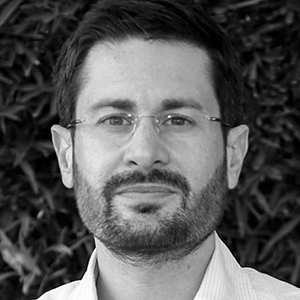
Ricardo has 35 years´ experience in private sector development, regulatory reform, regional and local economic development in the European Union, Western Balkans, Easter Partnership Countries, Middle East, Africa, etc. He is tasked with developing our strategic operations in continental Europe and Ukraine.
Ricardo is a seasoned international development professional with over 30 years of experience designing and delivering Private Sector Development and economic growth initiatives across more than 50 countries spanning Central, Eastern and Southeast Europe, the CIS, Africa, MEDA, and Asia. He holds both a bachelor’s degree and PhD from the London School of Economics and Political Science (LSE) and is a Certified Management Consultant (CMC).
Ricardo brings a unique combination of strategic insight and practical implementation expertise. He has led high-impact assignments for key development institutions, including the European Commission, OECD, GIZ, FCDO/DFID, UNDP, UNCTAD, EBRD, ILO, ADB, World Bank, USAID, and Danida.
With a deep and practical understanding of institutional architecture, policy environment, and post-conflict recovery dynamics, and a career spanning over 30 years across transition economies, Ricardo brings not only technical depth but also a trusted reputation among donors, policymakers and peers.He is leading Triple Line’s strategic expansion into continental Europe, including Ukraine, while strengthening our credibility across the broader region and beyond. Proven Expertise Across Our Core Pillars. Ricardo’s work focuses on the areas central to Triple Line’s evolving service offering: Governance & Institutional Reform: advising public institutions on regulatory impact, policy reform, and donor coordination, Private Sector Development: strategy development for SME ecosystems, innovation, and competitiveness, Infrastructure Enabling Conditions: support for investment climate improvement and regional/local economic development and Cross-cutting themes, including green transition, women’s economic empowerment, and inclusive growth