Adolescent mental health – Nurturing their present, securing their future

It was a humid afternoon in Nagwa block of Sonbhadra, Uttar Pradesh, when 16-year-old Meera (name changed), a promising student, first experienced a panic attack. She was walking back from school, overwhelmed by the academic pressures of grade 10, her upcoming exams, the fear of being forced to drop out of school due to distance, and the increasing pressure of getting married – all this was causing a growing sense of isolation. Meera isn’t the only one. Adolescents across rural India face similar struggles—navigating academic pressures, social expectations, and the emotional turbulence that comes with growing up. Unfortunately, many like Meera don’t understand how to recognise or seek help for these overwhelming emotions. As World Mental Health Day 2024 focuses on mental health at work, it’s critical to remember that mental health support for adolescents forms the foundation of their adult well-being.

Adolescence is an inherently challenging time. Young people are thrust into a whirlwind of transitions—physically, emotionally, and socially. They move out of familiar environments, enter new spaces like high schools and colleges, and face challenges that test their mental resilience. Meera’s panic attack, for instance, wasn’t just about her exams. It was about her fear of failure, feeling lost in a sea of expectations, and not knowing how to express her anxiety.

For adolescents, understanding their emotions can be daunting. They are often unequipped with the social or emotional vocabulary to explain what’s happening inside their minds. Many feel isolated or unable to seek help due to stigma or simply not knowing who to talk to and where to go for help. This is why creating an ecosystem of mental health support is crucial for this age group.

Adolescents need a nurturing ecosystem that supports their mental health. They require safe spaces to express themselves without fear of judgment, along with easy access to information and services that can help them navigate their challenges. This support must come from mental health professionals, family, teachers, peers, and communities. Initiatives like Utthan in Uttar Pradesh are building linkages amongst stakeholders for advancing adolescent mental health.

Government initiatives in India have already taken steps toward creating this support system. Flagship programmes like ‘Rashtriya Kishor Swasthya Karyakram (RKSK) – Saathiya Kendra’, ‘Tele-MANAS- Mental health helpline’, and ‘District Mental Health Programme – Mankaksh’ aim to promote adolescent mental health. In Uttar Pradesh, many innovations and proactive steps have been taken to offer mental health services, promote awareness, and provide platforms for adolescents to seek help.

But despite these efforts, many adolescents, like Meera, still don’t know where to turn. They are either unaware of the available resources or unsure how to seek help. The real challenge lies in ensuring these services are accessible, approachable, and tailored to the unique needs of young people.

Adolescents spend a large part of their day engaging with their teachers and peers in schools, participating in community outreach events with elders and front-line health workers, and increasing social media, apps, and online platforms. Therefore, a mix of traditional outreach methods and digital media resonates with adolescents. Accurate messaging across both these mediums will be the game-changer in spreading awareness about mental health and making resources easily accessible.

Imagine Meera attending a session by the Adolescent Health Counsellor (AHC) or the Health and Wellness Ambassador (HWA) in school, where she is able to recognise the early signs of anxiety and the need and pathway to seek help. Schools are often the first places where mental health challenges manifest. Equipping teachers with the knowledge to identify mental health concerns early can make a world of difference – ‘The School Health and Wellness Programme (SHWP)’ is already working on training HWAs to integrate mental health education into school curricula. Still, frequent transactions on these issues and making services of a mental health counsellor available in schools is the road ahead.

Peer support systems are also incredibly effective. Peer educators, who are trained to guide their friends through mental health challenges, can bridge the gap between formal resources and adolescents in need. This ensures that young people feel less isolated and more understood.

Community Health Officers (CHOs) are another key touchpoint. Often working at the grassroots level, they can identify early signs of mental health struggles and guide adolescents toward appropriate care. With adequate training, they become an integral part of the mental health ecosystem, ensuring that no child slips through the cracks. Platforms like Tele-MANAS, where an adolescent can seek help with anonymity, also make mental health support more affordable and less intimidating for young people.

Adolescent mental health is not the responsibility of any one group—it is a collective mission. Parents, teachers, healthcare providers, and the wider community must come together to create a nurturing environment for young people. Parents, in particular, play a crucial role. Parents can create a safe space for adolescents to express their emotions and seek support by fostering open communication at home.

World Mental Health Day 2024 reminds us of the importance of mental well-being in the workplace, but the mental health of adolescents lays the foundation for the future workforce. By creating a supportive, understanding, and accessible ecosystem for young people, we can help them grow into resilient, emotionally intelligent adults.

As Meera reflects on her journey, she realises that asking for help was her first step towards healing. We can build a world where mental health is prioritised. She—and countless others like her—can find the support they need, no longer feeling lost in the maze of expectations and emotions.

This article is authored by Seema Gupta and Sukriti Jain, IPE Global Centre for Knowledge and Development (CKD), New Delhi.

Anand Roop

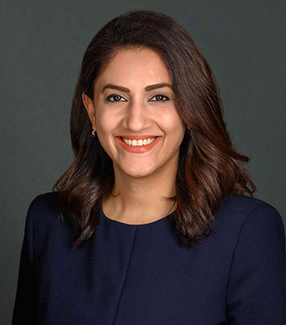
Anandroop Bahadur

Group Head – Human Resources

Expertise

Human Resource Expertise, HR Strategy, Oragnisational Design, Talent & Leadership Development, Policy Governance

Anandroop Bahadur is a seasoned HR leader and strategic advisor with nearly two decades of experience across the development, consulting, and social impact ecosystem. She brings a strong blend of deep technical HR expertise, organizational design acumen, and a people-centric ethos to her work.

At IPE Global, Anandroop leads the Group Human Resources function across IPE Global and its associated entities, including Triple Line Consulting and IPE Africa. Her focus is on strengthening organizational foundations, enabling leadership effectiveness, and building scalable people systems aligned with the organisation’s global growth ambitions. Her remit spans HR strategy, organizational design, talent and leadership development, compensation and performance frameworks, policy governance, safeguarding, and culture integration across geographies.

Over the course of her career, Anandroop has held senior HR leadership and consulting roles with organisations such as Clinton Health Access Initiative (CHAI), Ford Foundation, NASSCOM Foundation, Central Square Foundation, Amity Education Group, and other international institutions. She has advised leadership teams and boards through periods of scale, transition, and transformation, and has led HR operations in high-growth, high-complexity environments.

She holds an Executive Degree in Human Resources from XLRI Jamshedpur and is a SHRM–SCP (Senior Certified Professional), reflecting her grounding in global HR standards and best practices. She has also completed advanced executive and leadership programmes, including training in coaching and organisational transformation, and is an ICF-trained executive coach, currently working towards her ACC credential.


Nikos Papachristodoulou

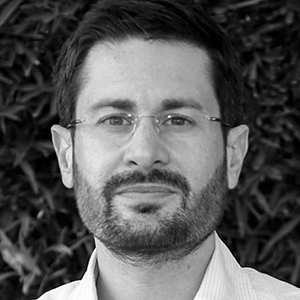
Nikos Papachristodoulou

Director

Expertise

Urban, Infrastructure, Disaster and Climate Resilience, Inclusive Growth

Nikos has expertise in urban and regional economic development, infrastructure, disaster and climate resilience, and inclusive growth. He oversees and manages projects for Triple Line’s cities and infrastructure portfolio.

Nikos is an urban specialist, with principal areas of expertise in urban and regional economic development, infrastructure, disaster and climate resilience, and inclusive growth. Over the past 12 years he has worked for a range of clients including the World Bank, FCDO, EU, USAID, Cities Alliance, Global Green Growth Institute (GGGI), Norwegian Refugee Council (NRC), and local authorities.

Nikos’s work has incorporated the full spectrum of the project cycle, from analytics and programme scoping and design, through implementation, and evaluation and learning.

He has a high level of familiarity with HMG business cases and ODA eligibility criteria having led and supported the development of FCDO’s urbanisation strategy and options for future investments in Somalia’s cities, Prosperity Fund Global Future Cities Programme (GFCP) scoping in Nigeria, and the development of the business case for an urban resilience programme in Tanzania.

Nikos also brings excellent understanding of World Bank latest trends and procedures as a result of his involvement in a number of analytics and technical assistance projects, including on informal settlements upgrading in Mogadishu, climate change adaptation planning in Latin American and Caribbean cities, assessment of the climate resilience of Dar es Salaam’s transport infrastructure, spatial development in Nigeria, and preparation of a handbook on integrated urban flood risk management.

Nikos holds a BSc in Economics from the University of Piraeus and an MSc in Social Development Practice from the Development Planning Unit at University College London (UCL).


Ricardo Pinto

Ricardo Pinto

Associate Director

Expertise

Private Sector Development, Regulatory Reform, Regional and Local Economy

Ricardo has 35 years´ experience in private sector development, regulatory reform, regional and local economic development in the European Union, Western Balkans, Easter Partnership Countries, Middle East, Africa, etc. He is tasked with developing our strategic operations in continental Europe and Ukraine.

Ricardo is a seasoned international development professional with over 30 years of experience designing and delivering Private Sector Development and economic growth initiatives across more than 50 countries spanning Central, Eastern and Southeast Europe, the CIS, Africa, MEDA, and Asia. He holds both a bachelor’s degree and PhD from the London School of Economics and Political Science (LSE) and is a Certified Management Consultant (CMC).

Ricardo brings a unique combination of strategic insight and practical implementation expertise. He has led high-impact assignments for key development institutions, including the European Commission, OECD, GIZ, FCDO/DFID, UNDP, UNCTAD, EBRD, ILO, ADB, World Bank, USAID, and Danida.

With a deep and practical understanding of institutional architecture, policy environment, and post-conflict recovery dynamics, and a career spanning over 30 years across transition economies, Ricardo brings not only technical depth but also a trusted reputation among donors, policymakers and peers.He is leading Triple Line’s strategic expansion into continental Europe, including Ukraine, while strengthening our credibility across the broader region and beyond. Proven Expertise Across Our Core Pillars. Ricardo’s work focuses on the areas central to Triple Line’s evolving service offering: Governance & Institutional Reform: advising public institutions on regulatory impact, policy reform, and donor coordination, Private Sector Development: strategy development for SME ecosystems, innovation, and competitiveness, Infrastructure Enabling Conditions: support for investment climate improvement and regional/local economic development and Cross-cutting themes, including green transition, women’s economic empowerment, and inclusive growth

 
LIFE AT IPE

Learning &
Development (L&D)

We inspire people to be better.

Our intuitive and personalised programmes provide clear path for growth, leadership development, and help people sharpen their skills.

0 %
People trained in last 3 years
0 %
Participation in L&D Initiatives in 2025

Your journey starts from Day One….

Structured Onboarding

Helps align expectations and lays the foundation for your success

New Hire Training

Makes you familiar with the organisation; helps you settle down in a new work environment

Customized L&D Platform

Helps upskill at your own pace through continuous learning and training programmes

Linkage with
Performance Management

Aligns resources and training needs based on your skill set

Learning is not always a formal process. We also align our organisation values to a culture of learning