Vasudhaiva Kutumbakam (The world is one family)
One of the earliest proponents of global citizenship rooted in India’s philosophy and culture, this ancient Sanskrit phrase has come a long way from the pages of Maha Upanishads to the rostrum of the United Nations General Assembly (UNGA) and to being celebrated at India’s recent G20 Summit.
Culture as an instrument of diplomacy is not new to India’s ability to advance its strategic partnerships. From time immemorial, cultural exchanges—whether through the gifting of jewels and artifacts, the sharing of poets and performers, or welcoming explorers from around the globe—have played a key role in strengthening international relations.
Establishing the Indian Cultural Council Research (ICCR) way back in 1950 was a significant step in broadening India’s foreign policy beyond its immediate neighbours and focusing on building strategic partnerships with Africa and Latin America, both critical for South-South Cooperation. Today, ICCR has 30+ cultural centres worldwide promoting India’s art and heritage.
India’s historical and civilisational connections have extended far beyond its land borders, with the Indian Ocean playing a pivotal role in spreading culture through trade and maritime diplomacy. For centuries, this vast ocean has been a shared maritime hub, fostering deep connections across Asia and Africa through trade, cultural exchanges, and the sharing of ancient stories, folklore, religion, and Sanskrit art forms.
These enduring ties have not only expanded Indian influence but also laid the foundation for – South-South Cooperation, with India at the forefront of strategic development, particularly in the Afro-Asian region. India has cultivated a strong sense of shared identity and purpose through its historical connections, driving collaborative efforts for sustainable development, economic growth, and cultural exchange within the Global South. The integration of the African Union (AU) as a permanent member of the G20 in September 2023 exemplifies India’s strategy to enhance representation for Africa—home to 1.48 billion people—in global cooperation, aside from South Africa, which has long been a G20 member.
A growing cultural influence across this region has been instrumental in shaping robust socio-economic ties with the Global South. India’s trade with Africa has grown from US$68.5 billion in 2011–12 to US$98 billion in 2023. In 2024, a report estimated that India-Australia bilateral trade (in goods and services) has crossed USD 48 billion, and it’s expected to double to nearly USD 100 billion in the next five years. Last year, trade with the ASEAN countries amounted to over USD 131 billion, reflecting growing strong economic ties.
Further, since 2014, the Indian Technical and Economic Cooperation (ITEC), has offered close to 100,000 world-class capacity-building training and scholarships to participants from developing countries at premier institutions in the country, along with a chance to experience its culture and hospitality.
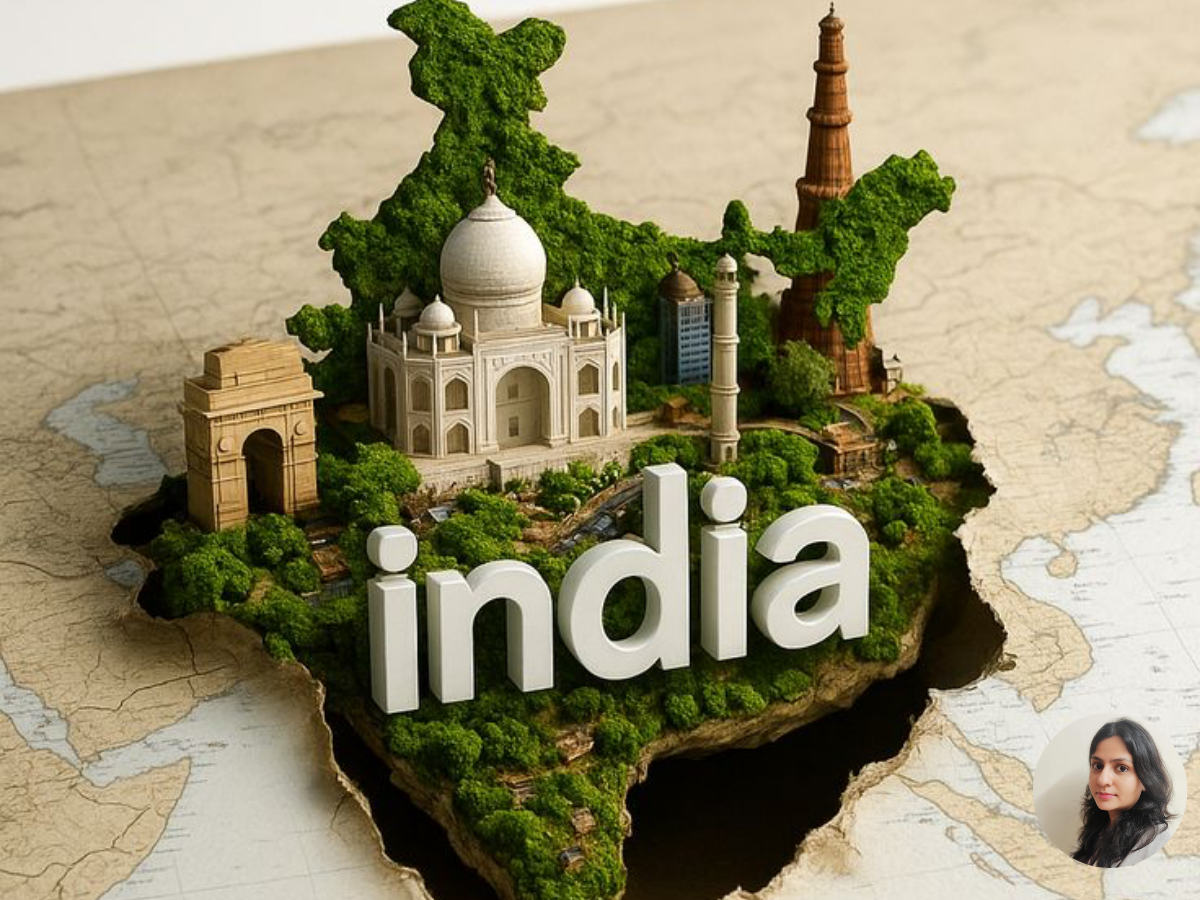
Culture is also integral in deliberating climate change scenarios and is a focal point of South-South cooperation. From the Cordilleras’ Rice Terraces of the Philippines to the Galápagos Islands of Ecuador, from the Taj Mahal and India’s Elephanta Caves to Djenné mosque in Mali, and Mount Kenya National Park, the perils of climate change are weakening communities’ ability to draw on their cultural resources and adapt to its consequences. Further, the tribal communities across the Global South are paying a socio-cultural price for the rising global warming. While they are forced to change how they live, work, celebrate festivities, and socialise, all aspects of their traditions are in jeopardy with climate change.
Understanding these grave concerns, India has always been an indispensable force in global climate politics. Committed to helping nations in the Global South with policy, technology, and capacity-building by utilising its technology and know-how, it has fervently supported the principle of “Common but Differentiated Responsibilities and Respective Capabilities” even as global climate politics has become fragmented outside the Conference of Parties (COP) settings.
A prime example would be India’s proactive involvement in triangular cooperation, which resulted in the creation of the India-UN Development Partnership Fund in 2017, which aims to support sustainable development initiatives driven by the South in the least developed countries (LDCs).
By leveraging its commitment to expand development through a cultural lens, India has also created a space for advancing tourism to yield business and strategic partnerships. The bus services between Janakpur (Nepal) and Ayodhya (UP) as part of promoting the Ramayan Circuit, which aims to develop historic places associated with Lord Ram and Sita’s stories, is a testament to it. Even today, the Ramayana remains an important part of the culture of many Southeast Asian countries—from Laos, Cambodia, and Thailand in Asia to Guyana in South America and Mauritius in Africa—creating a link of common tourism culture. The ‘Incredible India’ campaign has been a massive hit in this regard, and as per data, in 2023, India attracted approximately 20 million tourists globally.
Yet another advancement towards reawakening India’s history and bringing back its ancient learning is the recent revival of Nalanda University—the first international residential school in the world to provide a syncretic learning experience. The participation of 17 countries in this university project is a step forward in furthering the Indian-Asian legacy worldwide and bringing India and East Asia closer into a partnership for recovering and renewing the legacy of ancient thoughts and practices.
India’s global pursuit of soft power has grown manifold through numerous cultural diplomacy strategies to promote learning and sharing of ideas and resources. Interestingly, under India’s G20 presidency, for the first time, members unanimously backed the advancement of culture as a standalone goal under the UN Sustainable Development Goals (SDGs) under the Kashi Culture Pathway. This milestone in the global development strategy emphasises culture’s role as a vital pillar for achieving the 17 SDGs for its cross-sectoral ability to foster rights-based and inclusive sustainable development models.
Viksit Bharat 2047 embodies India’s goal to evolve into a developed nation by its centenary of independence in 2047. The cultural ethos of ‘Atithi Devo Bhava’ (the guest is God) profoundly influences its foreign policy – an approach exemplified by India’s adherence to the Panchsheel principles (Sovereignty, Non-aggression, Non-interference, Equality, and Peaceful Coexistence) and commitment to initiatives like NARA (National Ambition and Regional Aspiration), Sabka Saath-Sabka Vikas, Sabka Vishwas-Sabka Prayas (Inclusive and Participatory Growth), SAGAR (Security and Growth for All in the Region).
Blending ancient wisdom with modern aspirations, India seeks to offer unique perspectives on addressing global challenges, positioning itself as a bridge between diverse world views and a champion of inclusive global progress. It is, therefore, no wonder that India walks the talk for south-south collaboration.
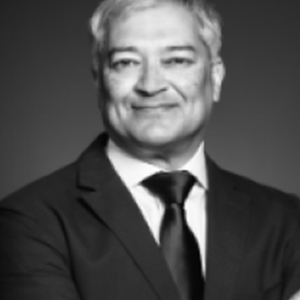
(Ashwajit Singh is Founder and Managing Director of IPE Global.)