Urbanisation and youth: Building a healthier future amid rapid growth

By 2050, with 70 per cent of the global population expected to live in cities, engaging youth in shaping sustainable urban future is more crucial than ever

Urbanisation, an engine for economic prosperity and resources, sits at the centre of modernity and impacts health outcomes. With rapid urbanisation, the UN projects that by 2050, 7 of 10 people will live in cities, and the youth will likely be the most dominant population. The future will be forged by the ever-increasing global youth, who are integral to playing a dynamic and revolutionary role in creating and building strong, prosperous, sustainable, and vibrant societies. In recent years, international organisations have emphasised the meaningful involvement of youth as vital to accelerating progress towards the SDGs while development continues to grow globally.

The approach also coincides with this year’s message of World Habitat Day, which focuses on “engaging youth to create a better urban future.” However, while we work towards engaging the new generation in planning their urban present and future through participatory processes and local leadership opportunities, ensuring their healthy livelihood is imperative. Urbanisation’s positive attributes also mask the inequalities that exist within it. Not all city residents experience or can access these benefits equally. For instance, 40 per cent of India’s population will reside in the urban setup by 2030, with 24 per cent being the youth (15-29), making it a relatively young country. Although rapid urbanisation will continue to improve India’s average household socio-economic condition and child health status, it is expected to disproportionately affect the health of urban youth, who are likely to become more vulnerable to health challenges.

Urbanisation without accounting for the primary healthcare amenities results in significant health disparities. As gentrification grows with urbanisation, a large chunk of the youth is likely to reside in urban slums and low-income areas. These areas carry distinct health challenges that are influenced by broader socio-economic determinants such as poverty, education and employment.

Youth from low-income families and areas are more likely to face barriers to accessing education, which in turn limits job opportunities and perpetuates a cycle of poor health outcomes.

These informal settlements may sit adjacent to an affluent neighbourhood. Still, the people living there lack access to safe water and sanitation infrastructure, becoming hotspots for waterborne and vector-borne diseases due to flooding, open sewers, and overcrowding. With such poor hygiene, increased rates of malnutrition among children and young adults worsen the burden of diseases.

In addition to infectious diseases, urban youth in lower-income areas are increasingly exposed to non-communicable diseases such as diabetes and hypertension, which are often exacerbated by poor diet, stress, and lack of access to early diagnosis or regular health checkups.

These substantial regional disparities affecting urban youth’s living and health conditions are also caused by the inequitable distribution of clinics and healthcare centres, which limits care options. According to NFHS-3, only 39.9 per cent of urban poor children get full immunisation compared to 65.4 per cent of urban non-poor children. Lower vaccination rates and a lack of awareness of ongoing health issues negatively impact school attendance and cognitive development.

The National Urban Health Mission (NUHM), launched in 2013, has been instrumental in meeting the regulatory, reformatory, and developmental public health priorities for urban settings.

Over the years, NUHM has improved access to healthcare, allowing the urban poor to choose public over costly private services. Among the other initiatives to focus on urban youth health, the National Youth Policy (NYP) 2021 outlines a 10-year vision for youth development by 2030, aligning with the United Nations’ SDGs. 

The NYP prioritises youth health as essential for India’s holistic growth and progress by addressing critical health components of urban youth and acknowledging mental health. Further, India’s pioneering step towards building inclusive health that benefits all and focuses on the youth also found prominence in the recent G20 New Delhi Leaders’ Declaration in 2023.

The report encompasses ways to eliminate hunger and malnutrition and advance with more health collaborations, especially when facing challenging mental health. While policies like NUHM and NYP have made strides in addressing urban youth health, more needs to be done and implemented to improve primary healthcare.

Many urban healthcare centres still struggle with understaffing, lack of resources, and accessibility issues for slum-dwelling youth. To ensure that India’s urban youth thrive, it is crucial to increase investments in health services, prioritise mental health care, and continue engaging youth in the decision-making process for urban development.

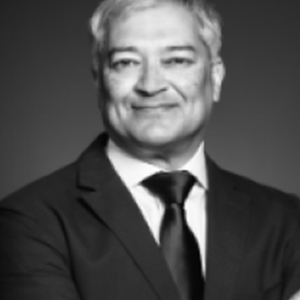
(The writer is the Founder and Managing Director of IPE Global; views expressed are personal)

Anand Roop

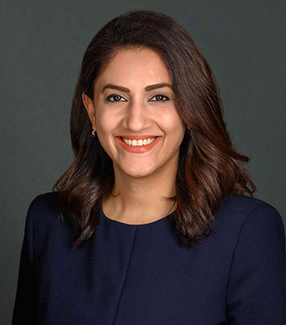
Anandroop Bahadur

Group Head – Human Resources

Expertise

Human Resource Expertise, HR Strategy, Oragnisational Design, Talent & Leadership Development, Policy Governance

Anandroop Bahadur is a seasoned HR leader and strategic advisor with nearly two decades of experience across the development, consulting, and social impact ecosystem. She brings a strong blend of deep technical HR expertise, organizational design acumen, and a people-centric ethos to her work.

At IPE Global, Anandroop leads the Group Human Resources function across IPE Global and its associated entities, including Triple Line Consulting and IPE Africa. Her focus is on strengthening organizational foundations, enabling leadership effectiveness, and building scalable people systems aligned with the organisation’s global growth ambitions. Her remit spans HR strategy, organizational design, talent and leadership development, compensation and performance frameworks, policy governance, safeguarding, and culture integration across geographies.

Over the course of her career, Anandroop has held senior HR leadership and consulting roles with organisations such as Clinton Health Access Initiative (CHAI), Ford Foundation, NASSCOM Foundation, Central Square Foundation, Amity Education Group, and other international institutions. She has advised leadership teams and boards through periods of scale, transition, and transformation, and has led HR operations in high-growth, high-complexity environments.

She holds an Executive Degree in Human Resources from XLRI Jamshedpur and is a SHRM–SCP (Senior Certified Professional), reflecting her grounding in global HR standards and best practices. She has also completed advanced executive and leadership programmes, including training in coaching and organisational transformation, and is an ICF-trained executive coach, currently working towards her ACC credential.


Nikos Papachristodoulou

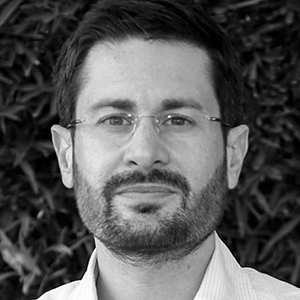
Nikos Papachristodoulou

Director

Expertise

Urban, Infrastructure, Disaster and Climate Resilience, Inclusive Growth

Nikos has expertise in urban and regional economic development, infrastructure, disaster and climate resilience, and inclusive growth. He oversees and manages projects for Triple Line’s cities and infrastructure portfolio.

Nikos is an urban specialist, with principal areas of expertise in urban and regional economic development, infrastructure, disaster and climate resilience, and inclusive growth. Over the past 12 years he has worked for a range of clients including the World Bank, FCDO, EU, USAID, Cities Alliance, Global Green Growth Institute (GGGI), Norwegian Refugee Council (NRC), and local authorities.

Nikos’s work has incorporated the full spectrum of the project cycle, from analytics and programme scoping and design, through implementation, and evaluation and learning.

He has a high level of familiarity with HMG business cases and ODA eligibility criteria having led and supported the development of FCDO’s urbanisation strategy and options for future investments in Somalia’s cities, Prosperity Fund Global Future Cities Programme (GFCP) scoping in Nigeria, and the development of the business case for an urban resilience programme in Tanzania.

Nikos also brings excellent understanding of World Bank latest trends and procedures as a result of his involvement in a number of analytics and technical assistance projects, including on informal settlements upgrading in Mogadishu, climate change adaptation planning in Latin American and Caribbean cities, assessment of the climate resilience of Dar es Salaam’s transport infrastructure, spatial development in Nigeria, and preparation of a handbook on integrated urban flood risk management.

Nikos holds a BSc in Economics from the University of Piraeus and an MSc in Social Development Practice from the Development Planning Unit at University College London (UCL).


Ricardo Pinto

Ricardo Pinto

Associate Director

Expertise

Private Sector Development, Regulatory Reform, Regional and Local Economy

Ricardo has 35 years´ experience in private sector development, regulatory reform, regional and local economic development in the European Union, Western Balkans, Easter Partnership Countries, Middle East, Africa, etc. He is tasked with developing our strategic operations in continental Europe and Ukraine.

Ricardo is a seasoned international development professional with over 30 years of experience designing and delivering Private Sector Development and economic growth initiatives across more than 50 countries spanning Central, Eastern and Southeast Europe, the CIS, Africa, MEDA, and Asia. He holds both a bachelor’s degree and PhD from the London School of Economics and Political Science (LSE) and is a Certified Management Consultant (CMC).

Ricardo brings a unique combination of strategic insight and practical implementation expertise. He has led high-impact assignments for key development institutions, including the European Commission, OECD, GIZ, FCDO/DFID, UNDP, UNCTAD, EBRD, ILO, ADB, World Bank, USAID, and Danida.

With a deep and practical understanding of institutional architecture, policy environment, and post-conflict recovery dynamics, and a career spanning over 30 years across transition economies, Ricardo brings not only technical depth but also a trusted reputation among donors, policymakers and peers.He is leading Triple Line’s strategic expansion into continental Europe, including Ukraine, while strengthening our credibility across the broader region and beyond. Proven Expertise Across Our Core Pillars. Ricardo’s work focuses on the areas central to Triple Line’s evolving service offering: Governance & Institutional Reform: advising public institutions on regulatory impact, policy reform, and donor coordination, Private Sector Development: strategy development for SME ecosystems, innovation, and competitiveness, Infrastructure Enabling Conditions: support for investment climate improvement and regional/local economic development and Cross-cutting themes, including green transition, women’s economic empowerment, and inclusive growth

 
LIFE AT IPE

Learning &
Development (L&D)

We inspire people to be better.

Our intuitive and personalised programmes provide clear path for growth, leadership development, and help people sharpen their skills.

0 %
People trained in last 3 years
0 %
Participation in L&D Initiatives in 2025

Your journey starts from Day One….

Structured Onboarding

Helps align expectations and lays the foundation for your success

New Hire Training

Makes you familiar with the organisation; helps you settle down in a new work environment

Customized L&D Platform

Helps upskill at your own pace through continuous learning and training programmes

Linkage with
Performance Management

Aligns resources and training needs based on your skill set

Learning is not always a formal process. We also align our organisation values to a culture of learning