Holistic Approaches to India’s Plastic Waste Concerns

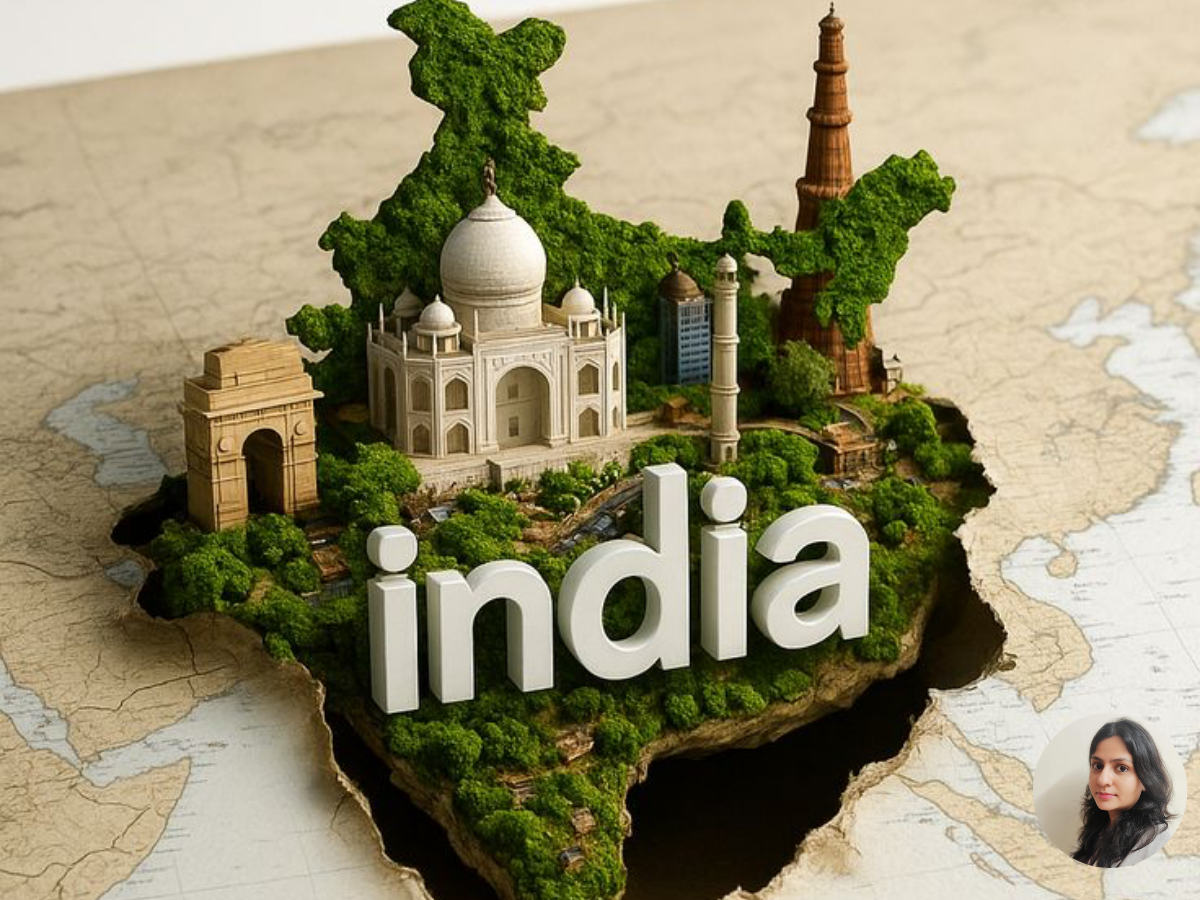
With advancing human development and economic growth, societies generate more waste, underscoring the need for sustainable consumption and resource management. As we approach a decade of the Swachh Bharat Mission (SBM) with Swachhta Diwas 2024, the focus is on mobilising communities and aligning habits to responsibly manage waste, promoting cleanliness, and preventing plastic leakage into the environment. While initiatives like the Swachhta Diwas bring positive inclusive action at the grassroots level, more events like the International Zero Waste Day and International Plastic Bag Free day highlight the broader global issue, flagging the urgent need to act, as the mismanagement of waste threatens ecosystems, public health, and economies alike.

Globally, around 220 million metric tonnes of plastic waste will be generated this year and of this 60% comes from 12 large countries, India being one of them. This growing crisis brings into sharp focus the theme of SBM 2024: Swabhav Swachhata, Sanskar Swachhata, which emphasises embedding cleanliness as a natural habit within individuals and society. Segregation of waste among citizens, enabling further extraction of low value materials and easy processing of waste and enabling cities achieve zero waste are goals set under SBM 2.0.

To achieve this holistic transformation, it is crucial that robust policies are paired with practical, on-the-ground solutions. Urban Local Bodies (ULBs), a primary and critical stakeholder in operationalising action at the ground levels, need improved infrastructure and operational strategies, including the informal waste sector integration into a structured waste management framework. ULBs need appropriate door to door waste collection service with appropriately linked collection vehicles, transfer stations and processing plants. The focus need not only be on waste reduction and capacity building of stakeholders to opt for sustainable choices, but also on delivery service provided by ULB. Cities also need to look at broader social benefits like job creation, local manufacturing growth, gender inclusion, and social empowerment, while addressing waste management issues. Governments need to support and bring in innovators that can enable reuse mechanisms and business strategies to help reduce waste, other than improved recycling ecosystems. Policymakers are needed to support cities with better monitoring and policy implementation mechanisms, coupled with digitalisation and appropriate contract mechanisms.

Instituting measures like Scalable Social and Behaviour Change (SBC) programmes, especially targeting children and youth as change agents and local communities; building a skilled and inclusive workforce including informal workers with proper training and skilling initiatives; ensuring financial and otherwise incentives for stakeholders such as tax rebates for segregation at household, can go a long way.

The inclusion of technology can play a catalytic role for improving waste collection, transportation, and mitigating leakages. Technologies like GPS-based tracking systems for waste collection vehicles, digital monitoring of material recovery facilities (MRFs) and forward linkages of recovered resources can be adopted to enhance transparency and efficiency for better decision-making and widened circular economy approach.

Prioritising innovation in product design and post-consumer waste management is key to reducing waste. Extended Producer Responsibility will have to be seen on the ground in cities. Large-scale industries can be prioritised to adopt sustainable packaging and invest in recycling technologies, and redirect resources to support local recycling ecosystems, creating a closed-loop system where the end-of-life management of products is factored into their design. The involvement of all stakeholders, through a participatory model, is critical in achieving these goals.

Additionally, fostering Public-Private Partnerships (PPP) is vital for leveraging resources, innovation, and expertise from the private sector. PPPs can help drive infrastructure development, efficient waste collection systems, and advanced recycling technologies, ensuring sustainable waste management across India’s diverse urban landscapes.

While there is no one-size-fits-all solution for all cities, the framework provided by the SBM 2.0, and the focus on waste reduction through program such as the Mission LiFE, offers a solid foundation for creating cleaner cities. The active involvement of the development sector, including partnerships with local governments, NGOs, and private stakeholders, will be critical in operationalizing these strategies on the ground. With political will, developmental collaborations, sustained commitment to innovation, and support of recycling ecosystem, India can pave the way for a more sustainable and circular waste management system, ensuring a cleaner and healthier environment for future generations.

(This article is authored by Sourabh Manuja, technical lead, solid waste management and Anil Bansal, senior director, urban infrastructure, IPE Global Limited.)

Anand Roop

Anandroop Bahadur

Group Head – Human Resources

Expertise

Human Resource Expertise, HR Strategy, Oragnisational Design, Talent & Leadership Development, Policy Governance

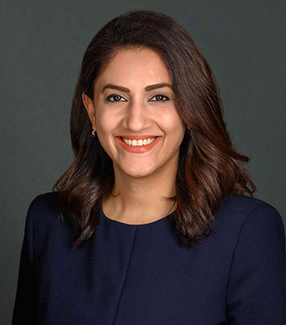
Anandroop Bahadur is a seasoned HR leader and strategic advisor with nearly two decades of experience across the development, consulting, and social impact ecosystem. She brings a strong blend of deep technical HR expertise, organizational design acumen, and a people-centric ethos to her work.

At IPE Global, Anandroop leads the Group Human Resources function across IPE Global and its associated entities, including Triple Line Consulting and IPE Africa. Her focus is on strengthening organizational foundations, enabling leadership effectiveness, and building scalable people systems aligned with the organisation’s global growth ambitions. Her remit spans HR strategy, organizational design, talent and leadership development, compensation and performance frameworks, policy governance, safeguarding, and culture integration across geographies.

Over the course of her career, Anandroop has held senior HR leadership and consulting roles with organisations such as Clinton Health Access Initiative (CHAI), Ford Foundation, NASSCOM Foundation, Central Square Foundation, Amity Education Group, and other international institutions. She has advised leadership teams and boards through periods of scale, transition, and transformation, and has led HR operations in high-growth, high-complexity environments.

She holds an Executive Degree in Human Resources from XLRI Jamshedpur and is a SHRM–SCP (Senior Certified Professional), reflecting her grounding in global HR standards and best practices. She has also completed advanced executive and leadership programmes, including training in coaching and organisational transformation, and is an ICF-trained executive coach, currently working towards her ACC credential.


Nikos Papachristodoulou

Nikos Papachristodoulou

Director

Expertise

Urban, Infrastructure, Disaster and Climate Resilience, Inclusive Growth

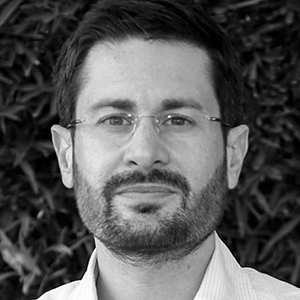
Nikos has expertise in urban and regional economic development, infrastructure, disaster and climate resilience, and inclusive growth. He oversees and manages projects for Triple Line’s cities and infrastructure portfolio.

Nikos is an urban specialist, with principal areas of expertise in urban and regional economic development, infrastructure, disaster and climate resilience, and inclusive growth. Over the past 12 years he has worked for a range of clients including the World Bank, FCDO, EU, USAID, Cities Alliance, Global Green Growth Institute (GGGI), Norwegian Refugee Council (NRC), and local authorities.

Nikos’s work has incorporated the full spectrum of the project cycle, from analytics and programme scoping and design, through implementation, and evaluation and learning.

He has a high level of familiarity with HMG business cases and ODA eligibility criteria having led and supported the development of FCDO’s urbanisation strategy and options for future investments in Somalia’s cities, Prosperity Fund Global Future Cities Programme (GFCP) scoping in Nigeria, and the development of the business case for an urban resilience programme in Tanzania.

Nikos also brings excellent understanding of World Bank latest trends and procedures as a result of his involvement in a number of analytics and technical assistance projects, including on informal settlements upgrading in Mogadishu, climate change adaptation planning in Latin American and Caribbean cities, assessment of the climate resilience of Dar es Salaam’s transport infrastructure, spatial development in Nigeria, and preparation of a handbook on integrated urban flood risk management.

Nikos holds a BSc in Economics from the University of Piraeus and an MSc in Social Development Practice from the Development Planning Unit at University College London (UCL).


Ricardo Pinto

Ricardo Pinto

Associate Director

Expertise

Private Sector Development, Regulatory Reform, Regional and Local Economy

Ricardo has 35 years´ experience in private sector development, regulatory reform, regional and local economic development in the European Union, Western Balkans, Easter Partnership Countries, Middle East, Africa, etc. He is tasked with developing our strategic operations in continental Europe and Ukraine.

Ricardo is a seasoned international development professional with over 30 years of experience designing and delivering Private Sector Development and economic growth initiatives across more than 50 countries spanning Central, Eastern and Southeast Europe, the CIS, Africa, MEDA, and Asia. He holds both a bachelor’s degree and PhD from the London School of Economics and Political Science (LSE) and is a Certified Management Consultant (CMC).

Ricardo brings a unique combination of strategic insight and practical implementation expertise. He has led high-impact assignments for key development institutions, including the European Commission, OECD, GIZ, FCDO/DFID, UNDP, UNCTAD, EBRD, ILO, ADB, World Bank, USAID, and Danida.

With a deep and practical understanding of institutional architecture, policy environment, and post-conflict recovery dynamics, and a career spanning over 30 years across transition economies, Ricardo brings not only technical depth but also a trusted reputation among donors, policymakers and peers.He is leading Triple Line’s strategic expansion into continental Europe, including Ukraine, while strengthening our credibility across the broader region and beyond. Proven Expertise Across Our Core Pillars. Ricardo’s work focuses on the areas central to Triple Line’s evolving service offering: Governance & Institutional Reform: advising public institutions on regulatory impact, policy reform, and donor coordination, Private Sector Development: strategy development for SME ecosystems, innovation, and competitiveness, Infrastructure Enabling Conditions: support for investment climate improvement and regional/local economic development and Cross-cutting themes, including green transition, women’s economic empowerment, and inclusive growth

 
LIFE AT IPE

Learning &
Development (L&D)

We inspire people to be better.

Our intuitive and personalised programmes provide clear path for growth, leadership development, and help people sharpen their skills.

0 %
People trained in last 3 years
0 %
Participation in L&D Initiatives in 2025

Your journey starts from Day One….

Structured Onboarding

Helps align expectations and lays the foundation for your success

New Hire Training

Makes you familiar with the organisation; helps you settle down in a new work environment

Customized L&D Platform

Helps upskill at your own pace through continuous learning and training programmes

Linkage with
Performance Management

Aligns resources and training needs based on your skill set

Learning is not always a formal process. We also align our organisation values to a culture of learning