Startup Mahakumbh Spotlights Materials and Energy Solutions

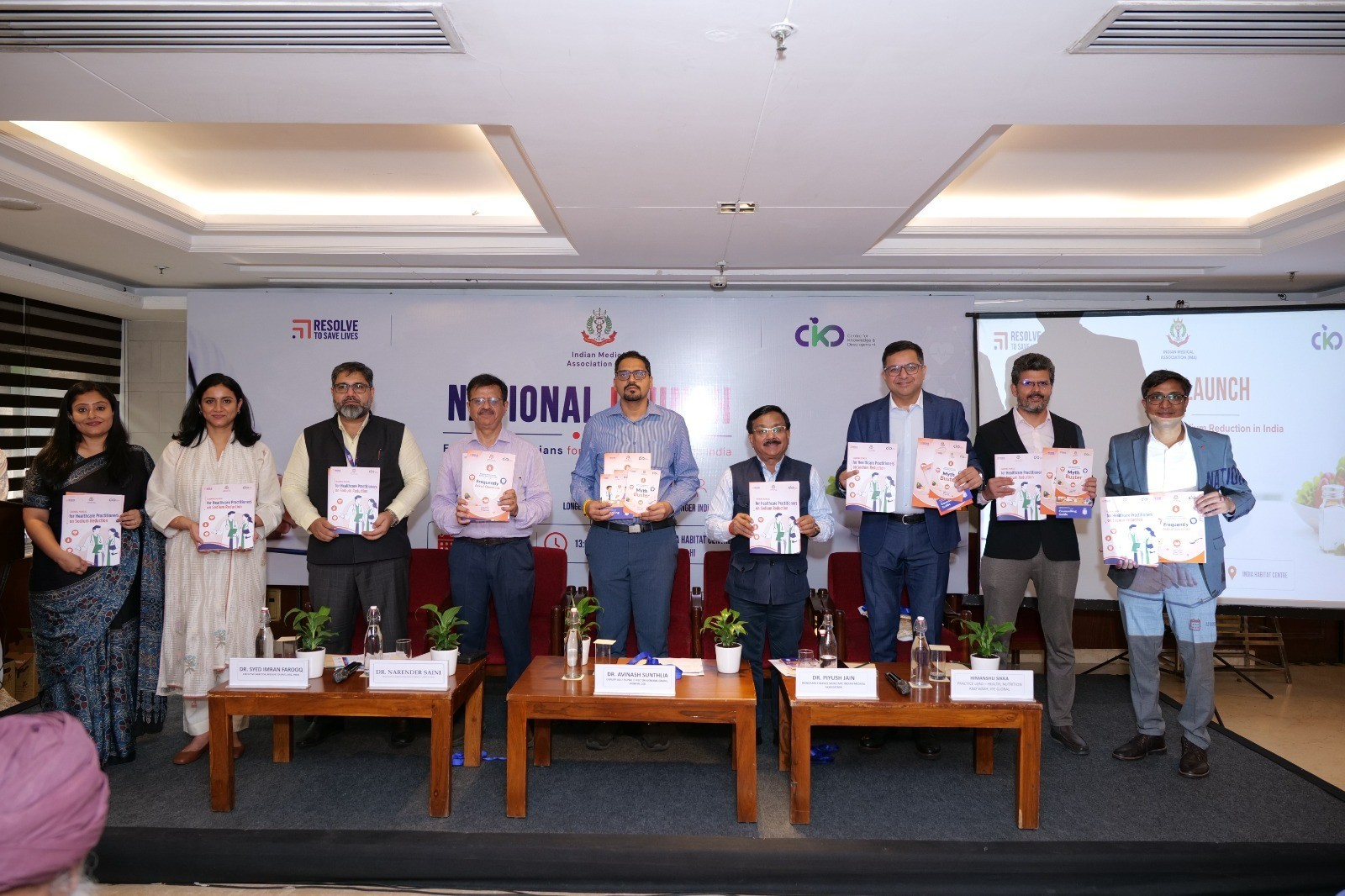
Day 2 of Startup Mahakumbh brought the spotlight to India’s growing climate innovation space, with a high-energy showcase at the Energy and Climate Tech Pavilion. Shri Amitabh Kant, India’s G20 Sherpa and Former CEO of NITI Aayog visited the Pavillion. He reiterated the government’s commitment to nurturing a future-ready climate tech ecosystem.

The Pavilion also hosted Shri Sanjiv Singh, Joint Secretary at the Department for Promotion of Industries and Internal Trade (DPIIT), Ministry of Commerce and Industry and the head of Startup India initiative, who praised the startups for integrating innovation with sustainability. His visit reinforced the strategic importance of energy and climate tech within India’s broader startup policy framework.

The day began with a workshop by Meyyappan Nagappan, Partner at Trilegal, and Rohan Ghalla from Spectrum Impact, offering practical insights into legal, financial, and capital structuring for early-stage ventures. This was followed by a compelling panel on “Climate Tech Adaptation and Resilience,” moderated by Jui Joshi, Director & Senior Partner at Climate Collective. The session featured rich insights from Aavrit Singhal, Chief Product Officer, InRisk Labs; Abhay Singh, Co-founder & CEO, Eeki; Abinash Mohanty, Global Sector Head of Climate Change and Sustainability, IPE Global Limited; Ajay Lavakare, Co-President, Stanford Angels & Entrepreneurs India; and Angad Daryani, Founder & CEO, Praan, Inc.

Financing for green innovation remained a key theme. In a fireside chat, Swapna Gupta, Partner at Avaana Capital, noted that “There is ample patient capital available to build sustainable businesses in India. For startups, understanding where they are in their journey is key to unlocking the right kind of support. By aligning with the most suitable sources of capital at each stage, they can accelerate their growth and create meaningful outcomes.” She was joined by Gaurav Kapoor MBE, Head of Investment Capital at the Foreign, Commonwealth and Development Office, who echoed the importance of long-term partnerships in catalyzing climate innovation, highlighting the role of sustained public-private collaboration in unlocking scalable solutions and mobilising global capital towards green transitions.

Decarbonising hard to abate industries took centre stage in a session chaired by Dr. Kushant Uppal, Founder & CEO, IndusDC Innovation Pvt. Ltd. The conversation brought together leaders such as Dr. Deepak Yadav, Senior Programme Lead, Council on Energy, Environment and Water (CEEW); Dr. Thota Chiranjeevi, Deputy General Manager, Bharat Petroleum Corporation Limited; Mohit Singhvi, AVP – Corporate Affairs, Chakr Innovation; Quentin Vaquette, Founding Partner, Wavemaker Impact; and Suhas Baxi, Co-founder and CEO, BiofuelCircle. The panel underlined the urgency of collaborative approaches and faster tech deployment in greening India’s industrial sector.

A panel on waste and circularity, titled “Driving Circularity: Overcoming Barriers to a Closed Loop System,” featured voices from across the ecosystem. Varun Hangloo, Head – Scale-Up & New Initiatives, Marico Innovation Foundation, moderated a thought-provoking discussion with Amit Tandon, Founder & CEO, PolyCycl Private Limited; Jitesh Dadlani, Founder & CTO, Ishitva Robotic Systems; Sanjay Khajuria, Former Director – Corporate Affairs and Sustainability, Nestlé India; Satya Adamala, Vice President, Re Sustainability Limited; Shekar Prabhakar, Co-founder & CEO, Hasiru Dala Innovations; and Som Narayanan, CEO & Co-founder, Carbon Masters. The conversation called attention to India’s need for systemic infrastructure, policy support, and localised innovation in waste management.

The spotlight then shifted to materials innovation in the “Next Gen Materials” panel, moderated by Alankrita Khera, Lead – Director, ACT. Setting the tone for the discussion, she said, “Accelerated industry adoption will enable the scalability of alternative materials, but performance consistency and unit economics are key areas to solve for.” She further stressed the importance of ecosystem collaboration, adding, “If India is to lead the way on materials innovation, we need to create stronger connections between the FMCG industry and innovators to collaboratively solve for shared challenges. What we saw today was just a glimpse of what’s possible when these pieces come together”. The panel featured Biswarup Chakrabarty, VP & Head – Packaging Development, ITC Limited; Neha Jain, Founder & MD, Zerocircle; Prashanth Venkatesh, Marketing & Sustainability, Unilever; Kushal Banerjee, Chief Regional Manager, HPCL; Shruti Kutmutia, Founder, BacAlt BioSciences; and Tanmay Pandya, Founder Director, Brisil Technologies Private Limited.

The day concluded with a robust session on “Decarbonising Road Transport,” moderated by Sharvari Patki, Program Head, Electric Mobility, WRI India. Experts including Akshima Ghate, Managing Director, RMI India; Dr. Jaya Rawat, Dr. Jaya Rawat, Deputy General Manager, Bharat Petroleum Corporation Limited; Rutooj Deshpande, Founder and CEO, Govidyouth; and Utkarsh Mishra, Global Innovation Portfolio Head, HeroMotoCorp, explored opportunities in EVs, alternative fuels, and integrated transport solutions.

Summing up his experience Mirik Gogri, Principal, Spectrum Impact said, “Day two of Startup Mahakumbh was filled with vibrant and insightful discussions between the audience and expert panelists at the Energy and Climate Tech Pavilion. We were excited to showcase a unique concept – the Climate Wall – designed to help people better understand climate change. It was heartening to see how well it was received, with many appreciating the visual journey through the sources of emissions and the innovative solutions to address them. We believe that such initiatives can spark powerful conversations and inspire collective action for a more sustainable future.”

As the Pavilion wrapped up another power-packed day, it reflected the growing momentum of India’s climate innovation movement—driven by founders, fuelled by capital, and backed by policy. We now look forward to Day 3 with fresh ideas and deeper collaborations on the horizon
Anand Roop

Anandroop Bahadur

Group Head – Human Resources

Expertise

Human Resource Expertise, HR Strategy, Oragnisational Design, Talent & Leadership Development, Policy Governance

Anandroop Bahadur is a seasoned HR leader and strategic advisor with nearly two decades of experience across the development, consulting, and social impact ecosystem. She brings a strong blend of deep technical HR expertise, organizational design acumen, and a people-centric ethos to her work.

At IPE Global, Anandroop leads the Group Human Resources function across IPE Global and its associated entities, including Triple Line Consulting and IPE Africa. Her focus is on strengthening organizational foundations, enabling leadership effectiveness, and building scalable people systems aligned with the organisation’s global growth ambitions. Her remit spans HR strategy, organizational design, talent and leadership development, compensation and performance frameworks, policy governance, safeguarding, and culture integration across geographies.

Over the course of her career, Anandroop has held senior HR leadership and consulting roles with organisations such as Clinton Health Access Initiative (CHAI), Ford Foundation, NASSCOM Foundation, Central Square Foundation, Amity Education Group, and other international institutions. She has advised leadership teams and boards through periods of scale, transition, and transformation, and has led HR operations in high-growth, high-complexity environments.

She holds an Executive Degree in Human Resources from XLRI Jamshedpur and is a SHRM–SCP (Senior Certified Professional), reflecting her grounding in global HR standards and best practices. She has also completed advanced executive and leadership programmes, including training in coaching and organisational transformation, and is an ICF-trained executive coach, currently working towards her ACC credential.


Nikos Papachristodoulou

Nikos Papachristodoulou

Director

Expertise

Urban, Infrastructure, Disaster and Climate Resilience, Inclusive Growth

Nikos has expertise in urban and regional economic development, infrastructure, disaster and climate resilience, and inclusive growth. He oversees and manages projects for Triple Line’s cities and infrastructure portfolio.

Nikos is an urban specialist, with principal areas of expertise in urban and regional economic development, infrastructure, disaster and climate resilience, and inclusive growth. Over the past 12 years he has worked for a range of clients including the World Bank, FCDO, EU, USAID, Cities Alliance, Global Green Growth Institute (GGGI), Norwegian Refugee Council (NRC), and local authorities.

Nikos’s work has incorporated the full spectrum of the project cycle, from analytics and programme scoping and design, through implementation, and evaluation and learning.

He has a high level of familiarity with HMG business cases and ODA eligibility criteria having led and supported the development of FCDO’s urbanisation strategy and options for future investments in Somalia’s cities, Prosperity Fund Global Future Cities Programme (GFCP) scoping in Nigeria, and the development of the business case for an urban resilience programme in Tanzania.

Nikos also brings excellent understanding of World Bank latest trends and procedures as a result of his involvement in a number of analytics and technical assistance projects, including on informal settlements upgrading in Mogadishu, climate change adaptation planning in Latin American and Caribbean cities, assessment of the climate resilience of Dar es Salaam’s transport infrastructure, spatial development in Nigeria, and preparation of a handbook on integrated urban flood risk management.

Nikos holds a BSc in Economics from the University of Piraeus and an MSc in Social Development Practice from the Development Planning Unit at University College London (UCL).


Ricardo Pinto

Ricardo Pinto

Associate Director

Expertise

Private Sector Development, Regulatory Reform, Regional and Local Economy

Ricardo has 35 years´ experience in private sector development, regulatory reform, regional and local economic development in the European Union, Western Balkans, Easter Partnership Countries, Middle East, Africa, etc. He is tasked with developing our strategic operations in continental Europe and Ukraine.

Ricardo is a seasoned international development professional with over 30 years of experience designing and delivering Private Sector Development and economic growth initiatives across more than 50 countries spanning Central, Eastern and Southeast Europe, the CIS, Africa, MEDA, and Asia. He holds both a bachelor’s degree and PhD from the London School of Economics and Political Science (LSE) and is a Certified Management Consultant (CMC).

Ricardo brings a unique combination of strategic insight and practical implementation expertise. He has led high-impact assignments for key development institutions, including the European Commission, OECD, GIZ, FCDO/DFID, UNDP, UNCTAD, EBRD, ILO, ADB, World Bank, USAID, and Danida.

With a deep and practical understanding of institutional architecture, policy environment, and post-conflict recovery dynamics, and a career spanning over 30 years across transition economies, Ricardo brings not only technical depth but also a trusted reputation among donors, policymakers and peers.He is leading Triple Line’s strategic expansion into continental Europe, including Ukraine, while strengthening our credibility across the broader region and beyond. Proven Expertise Across Our Core Pillars. Ricardo’s work focuses on the areas central to Triple Line’s evolving service offering: Governance & Institutional Reform: advising public institutions on regulatory impact, policy reform, and donor coordination, Private Sector Development: strategy development for SME ecosystems, innovation, and competitiveness, Infrastructure Enabling Conditions: support for investment climate improvement and regional/local economic development and Cross-cutting themes, including green transition, women’s economic empowerment, and inclusive growth

 
LIFE AT IPE

Learning &
Development (L&D)

We inspire people to be better.

Our intuitive and personalised programmes provide clear path for growth, leadership development, and help people sharpen their skills.

0 %
People trained in last 3 years
0 %
Participation in L&D Initiatives in 2025

Your journey starts from Day One….

Structured Onboarding

Helps align expectations and lays the foundation for your success

New Hire Training

Makes you familiar with the organisation; helps you settle down in a new work environment

Customized L&D Platform

Helps upskill at your own pace through continuous learning and training programmes

Linkage with
Performance Management

Aligns resources and training needs based on your skill set

Learning is not always a formal process. We also align our organisation values to a culture of learning