Respiratory Health Claims in Delhi Increase by 8.3% from FY23 to FY25

Respiratory health claims in Delhi have risen by 8.3% between FY23 and FY25, according to a joint report by Medi Assist, a health benefits administrator, and Boston Consulting Group (BCG). The report also highlights that respiratory disorders have shown a year-on-year increase of 10-12%, reflecting the growing impact of pollution-related illnesses in urban areas.

Delhi and Maharashtra, two urbanised and polluted states, report the highest number of respiratory-related claims, pointing out the link between pollution levels and health. To address these challenges, Medi Assist and BCG introduced the Borderless Health framework at the Raksha Summit 2024 in Mumbai last week.

This initiative aims to address healthcare disparities and improve access through a data-driven, technology-enabled approach. It highlights issues such as limited investments, low insurance coverage, and the imbalance between curative and preventive care.

The Borderless Health model employs the Health JAM framework, comprising three components: Joined Health Data for digitising records, Automation for AI-driven claims processing and fraud detection, and Mobile-Enabled Access to enhance resource availability and on-demand care.

“Through Borderless Health, India can achieve a unified healthcare system that meets the unique needs of its diverse population ensuring a sustainable health ecosystem by 2047. This also requires enhanced collaborative efforts among policymakers, healthcare providers, and insurers,” said Satish Gidugu, Chief Executive Officer (CEO) and Whole Time Director, Medi Assist.

The consequences of rising air pollution are being felt not only in public health but also across the economy. Experts are urging action to address the situation, warning that the growing crisis could have serious long-term consequences for both sectors.

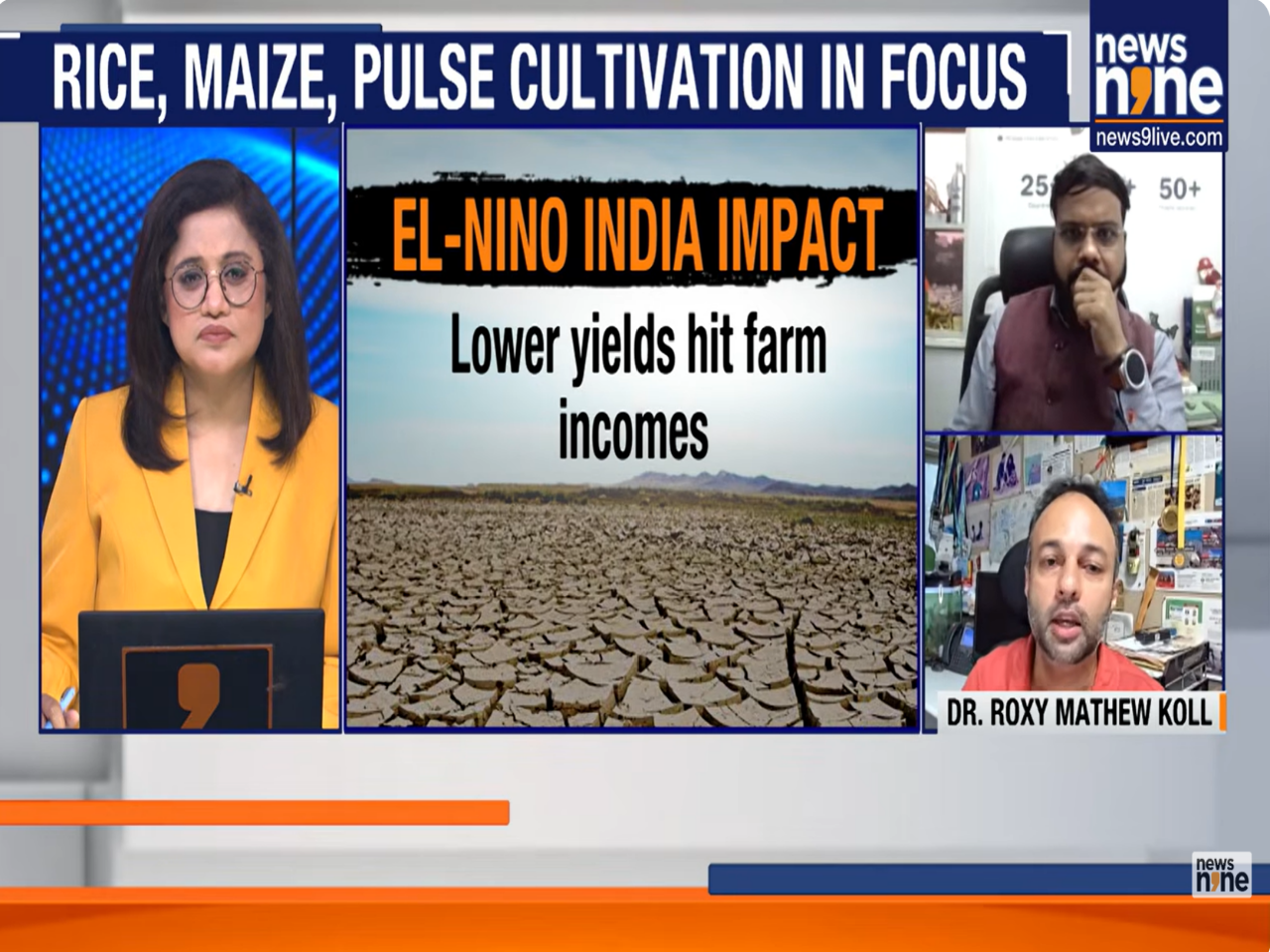
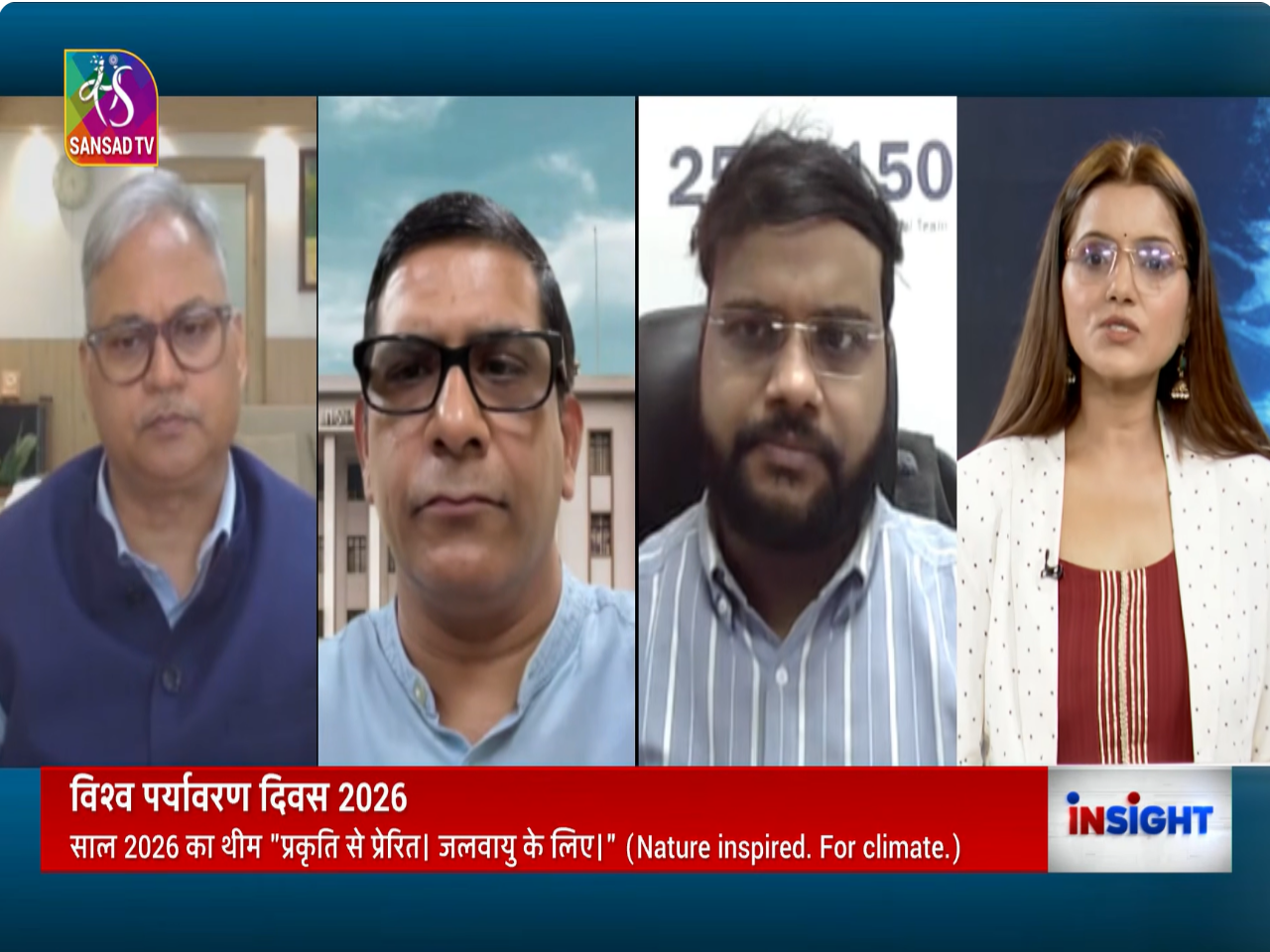
“The convergence of health and economic impacts from Delhi’s air crisis demands immediate attention,” said Himanshu Sikka, Lead – Health at IPE Global, an international development consulting firm. Hospitals across the city are reporting a 60% rise in respiratory emergencies, with many young patients presenting symptoms typically seen in older individuals. “The insurance claims related to respiratory disorders are increasing, and insurers are expecting a rise in disease burdens related to non-communicable diseases in the near future,” he added.

The corporate sector is also being affected. “Businesses have been forced towards flexible work policies, which is impacting operational costs and productivity,” Sikka explained. “As a result, many businesses and professionals are considering relocating to cities with better living conditions.

The economic costs of these issues will have broad implications, affecting not just public health but also the region’s economic structure.” He further noted that, as policymakers gather for COP29 to discuss climate action, Delhi’s air crisis highlights that both air pollution and climate change are current issues requiring coordinated responses.

The effects of pollution are evident across various sectors of society. Arup Mitra, Professor of Economics at South Asian University (SAU) in New Delhi, said, “Pollution in Delhi can have notable effects in terms of health and productivity. The incidence of respiratory illnesses increases in response to pollution surges, which in turn reduces productivity across different groups—from schoolchildren to working adults and the elderly. Additionally, there is strain on the health infrastructure. It seems that seasonality will need to be considered when adjusting the supply of health infrastructure.”
Healthcare systems are struggling to keep up with the rising number of patients.

“The rising pollution levels in our region pose a challenge to healthcare systems as hospitals are witnessing an increase in patients suffering from respiratory issues, cardiovascular diseases, and chronic problems worsened by poor air quality,” said Dr. VS Chauhan, CMD of Prakash Hospital. “We are seeing younger individuals being affected, alongside the elderly and those with pre-existing conditions.”
Anand Roop

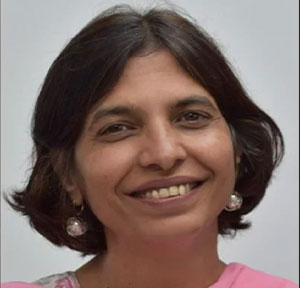
Anandroop Bahadur

Group Head – Human Resources

Expertise

Human Resource Expertise, HR Strategy, Oragnisational Design, Talent & Leadership Development, Policy Governance

Anandroop Bahadur is a seasoned HR leader and strategic advisor with nearly two decades of experience across the development, consulting, and social impact ecosystem. She brings a strong blend of deep technical HR expertise, organizational design acumen, and a people-centric ethos to her work.

At IPE Global, Anandroop leads the Group Human Resources function across IPE Global and its associated entities, including Triple Line Consulting and IPE Africa. Her focus is on strengthening organizational foundations, enabling leadership effectiveness, and building scalable people systems aligned with the organisation’s global growth ambitions. Her remit spans HR strategy, organizational design, talent and leadership development, compensation and performance frameworks, policy governance, safeguarding, and culture integration across geographies.

Over the course of her career, Anandroop has held senior HR leadership and consulting roles with organisations such as Clinton Health Access Initiative (CHAI), Ford Foundation, NASSCOM Foundation, Central Square Foundation, Amity Education Group, and other international institutions. She has advised leadership teams and boards through periods of scale, transition, and transformation, and has led HR operations in high-growth, high-complexity environments.

She holds an Executive Degree in Human Resources from XLRI Jamshedpur and is a SHRM–SCP (Senior Certified Professional), reflecting her grounding in global HR standards and best practices. She has also completed advanced executive and leadership programmes, including training in coaching and organisational transformation, and is an ICF-trained executive coach, currently working towards her ACC credential.


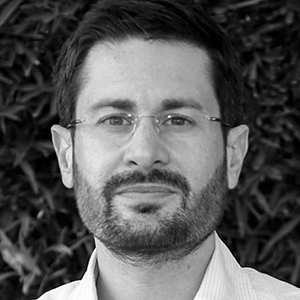
Nikos Papachristodoulou

Nikos Papachristodoulou

Director

Expertise

Urban, Infrastructure, Disaster and Climate Resilience, Inclusive Growth

Nikos has expertise in urban and regional economic development, infrastructure, disaster and climate resilience, and inclusive growth. He oversees and manages projects for Triple Line’s cities and infrastructure portfolio.

Nikos is an urban specialist, with principal areas of expertise in urban and regional economic development, infrastructure, disaster and climate resilience, and inclusive growth. Over the past 12 years he has worked for a range of clients including the World Bank, FCDO, EU, USAID, Cities Alliance, Global Green Growth Institute (GGGI), Norwegian Refugee Council (NRC), and local authorities.

Nikos’s work has incorporated the full spectrum of the project cycle, from analytics and programme scoping and design, through implementation, and evaluation and learning.

He has a high level of familiarity with HMG business cases and ODA eligibility criteria having led and supported the development of FCDO’s urbanisation strategy and options for future investments in Somalia’s cities, Prosperity Fund Global Future Cities Programme (GFCP) scoping in Nigeria, and the development of the business case for an urban resilience programme in Tanzania.

Nikos also brings excellent understanding of World Bank latest trends and procedures as a result of his involvement in a number of analytics and technical assistance projects, including on informal settlements upgrading in Mogadishu, climate change adaptation planning in Latin American and Caribbean cities, assessment of the climate resilience of Dar es Salaam’s transport infrastructure, spatial development in Nigeria, and preparation of a handbook on integrated urban flood risk management.

Nikos holds a BSc in Economics from the University of Piraeus and an MSc in Social Development Practice from the Development Planning Unit at University College London (UCL).


Ricardo Pinto

Ricardo Pinto

Associate Director

Expertise

Private Sector Development, Regulatory Reform, Regional and Local Economy

Ricardo has 35 years´ experience in private sector development, regulatory reform, regional and local economic development in the European Union, Western Balkans, Easter Partnership Countries, Middle East, Africa, etc. He is tasked with developing our strategic operations in continental Europe and Ukraine.

Ricardo is a seasoned international development professional with over 30 years of experience designing and delivering Private Sector Development and economic growth initiatives across more than 50 countries spanning Central, Eastern and Southeast Europe, the CIS, Africa, MEDA, and Asia. He holds both a bachelor’s degree and PhD from the London School of Economics and Political Science (LSE) and is a Certified Management Consultant (CMC).

Ricardo brings a unique combination of strategic insight and practical implementation expertise. He has led high-impact assignments for key development institutions, including the European Commission, OECD, GIZ, FCDO/DFID, UNDP, UNCTAD, EBRD, ILO, ADB, World Bank, USAID, and Danida.

With a deep and practical understanding of institutional architecture, policy environment, and post-conflict recovery dynamics, and a career spanning over 30 years across transition economies, Ricardo brings not only technical depth but also a trusted reputation among donors, policymakers and peers.He is leading Triple Line’s strategic expansion into continental Europe, including Ukraine, while strengthening our credibility across the broader region and beyond. Proven Expertise Across Our Core Pillars. Ricardo’s work focuses on the areas central to Triple Line’s evolving service offering: Governance & Institutional Reform: advising public institutions on regulatory impact, policy reform, and donor coordination, Private Sector Development: strategy development for SME ecosystems, innovation, and competitiveness, Infrastructure Enabling Conditions: support for investment climate improvement and regional/local economic development and Cross-cutting themes, including green transition, women’s economic empowerment, and inclusive growth

 
LIFE AT IPE

Learning &
Development (L&D)

We inspire people to be better.

Our intuitive and personalised programmes provide clear path for growth, leadership development, and help people sharpen their skills.

0 %
People trained in last 3 years
0 %
Participation in L&D Initiatives in 2025

Your journey starts from Day One….

Structured Onboarding

Helps align expectations and lays the foundation for your success

New Hire Training

Makes you familiar with the organisation; helps you settle down in a new work environment

Customized L&D Platform

Helps upskill at your own pace through continuous learning and training programmes

Linkage with
Performance Management

Aligns resources and training needs based on your skill set

Learning is not always a formal process. We also align our organisation values to a culture of learning