COP29 Goals: Why climate finance is top priority

The COP29 climate summit starts today at Baku, Azerbaijan. Garima Sadhwani explains why the world isn’t able to agree on how to find the money to undo the damage done to the planet, what’s in store for India, and why this edition is focusing so much on climate finance.

Financing the climate action

This year, climate finance is the buzzword at the UN Climate Change Conference (COP) since mobilising support for the New Collective Quantified Goal (NCQG) on climate finance is a top priority. The NCQG will be a replacement for the $100 billion that the developed countries were supposed to annually contribute to the climate fund.

Baku, the host, also announced a new fund called the Climate Finance Action Fund (CFAF) in July, which aims to raise money from countries producing fossil fuels and give them to developing countries and their green projects. Kavin Kumar Kandasamy, CEO of ProClime, a unified service provider in the climate space, says the fund could provide vital resources for developing countries like India. He says, “While the exact fundraising target remains uncertain, an initial goal of around $1 billion would be essential for launching impactful initiatives.”

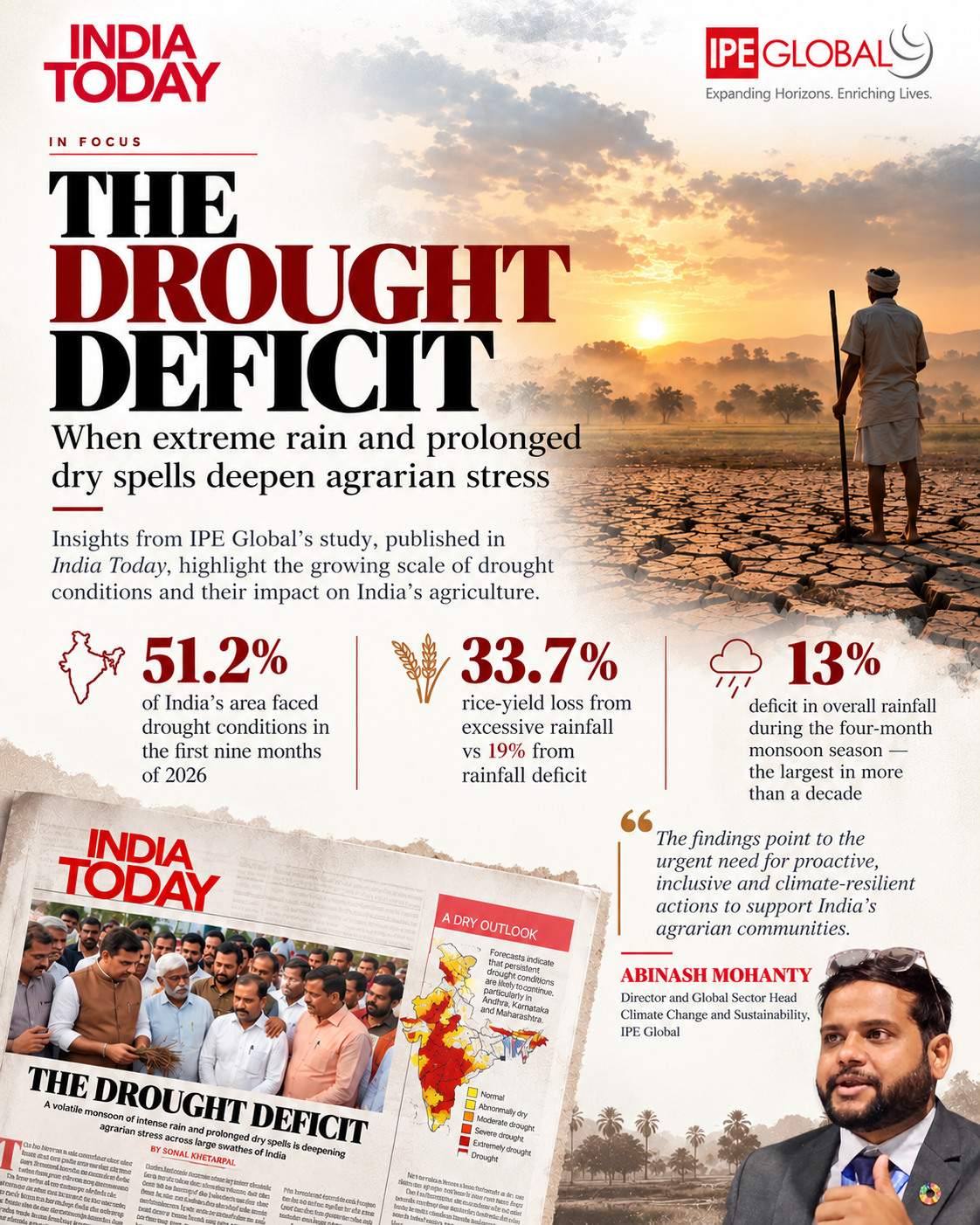
However, Abinash Mohanty, head of climate change and sustainability at IPE Global, and expert reviewer of IPCC-AR(6), says while there are multiple instruments panning around climate action, implementation is where we are lacking.

From COP28 to COP29

At COP28 in Dubai in 2023, a new fund was launched — the loss and damage fund — to aid the developing countries which have historically been the climate victims. That fund is yet to be made operational, and its finer details will be looked into at the summit. Philippines is hosting the board of the fund this year.

Mohanty tells FE, “Even though the fund was operationalised last year and around $700 million were pledged to it, the fund is far from reality. We need to focus on making it functional soon.”

COP28 also called upon all to transition away from fossil fuels in its document. But this year, with Azerbaijan as the host, there has been some hesitancy in bringing up the phasing out of fossil fuels. Mohanty says while the reason for this could be that Baku is also the world’s first oil town, the subject still demands urgent attention.

What is the carbon tax that some countries are mulling?

Some developed countries, which already have the backing of the European Union and the United Nations, are mulling whether to impose a 25% tariff or carbon tax on “energy-intensive” goods that are exported to Europe.

If the tax is brought into place, experts have said this would have the potential to “disrupt over $8 billion worth of Indian metal exports to the EU.” Mohanty strongly feels that such proposals often fail to realise that the needs of each nation, especially the developing ones, are different. He adds, “The developing world still needs to rely on these resources for growth. Through the 29 editions of COP, we have lacked trust between the developed world and the developing countries. This year it should build the bridge than burning it further.”

The carbon credits market

Ahead of COP in November, an agreement was reached in pre-COP meetings about “crucial standards to operationalise a new UN crediting mechanism.” A supervisory body came up with recommendations on “facilitating international collaboration in reducing greenhouse gas emissions and combating climate change,” that will be reviewed at COP29.

In simple terms, carbon markets are trading systems where a company/ individual can buy/ sell carbon credits – those who work towards removing greenhouse gas emissions can sell their carbon credits; the others can buy them to compensate for polluting the environment. It’s expected that COP29 will address a standard protocol for engaging in carbon trading.

Kandasamy says, “Well-designed carbon markets can mobilise substantial private and public investment, particularly in developing countries, creating pathways for companies to take responsibility for their emissions while fostering innovation in low-carbon technologies.”

What should India focus on?

Even as climate finance is an important agenda at COP29 and the UN summit wants to prioritise the developed countries doubling their adaptation funding by 2025, Dr Dhruba Purkayastha, director of growth and institutional advancement at the Council on Energy, Environment and Water (CEEW), says it’s important to remember that climate finance is an issue of the entire global south, not just India. However, Mohanty says, “We need to establish thought leadership for climate financing diplomacy. What we need to closely look at is tech and finances backed people-centric climate action. We need to make climate tech available, affordable, and accessible.”

Kandasamy agrees, adding that in the past few years, India has worked towards enhancing its efficiency measures, but still needs to pay immediate attention to many pressing concerns — water scarcity, extreme weather events, and climate change-induced disasters.
Anand Roop

Anandroop Bahadur

Group Head – Human Resources

Expertise

Human Resource Expertise, HR Strategy, Oragnisational Design, Talent & Leadership Development, Policy Governance

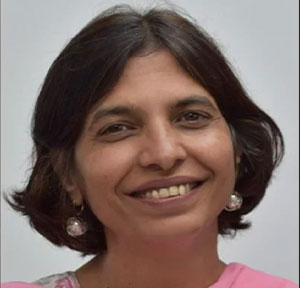
Anandroop Bahadur is a seasoned HR leader and strategic advisor with nearly two decades of experience across the development, consulting, and social impact ecosystem. She brings a strong blend of deep technical HR expertise, organizational design acumen, and a people-centric ethos to her work.

At IPE Global, Anandroop leads the Group Human Resources function across IPE Global and its associated entities, including Triple Line Consulting and IPE Africa. Her focus is on strengthening organizational foundations, enabling leadership effectiveness, and building scalable people systems aligned with the organisation’s global growth ambitions. Her remit spans HR strategy, organizational design, talent and leadership development, compensation and performance frameworks, policy governance, safeguarding, and culture integration across geographies.

Over the course of her career, Anandroop has held senior HR leadership and consulting roles with organisations such as Clinton Health Access Initiative (CHAI), Ford Foundation, NASSCOM Foundation, Central Square Foundation, Amity Education Group, and other international institutions. She has advised leadership teams and boards through periods of scale, transition, and transformation, and has led HR operations in high-growth, high-complexity environments.

She holds an Executive Degree in Human Resources from XLRI Jamshedpur and is a SHRM–SCP (Senior Certified Professional), reflecting her grounding in global HR standards and best practices. She has also completed advanced executive and leadership programmes, including training in coaching and organisational transformation, and is an ICF-trained executive coach, currently working towards her ACC credential.


Nikos Papachristodoulou

Nikos Papachristodoulou

Director

Expertise

Urban, Infrastructure, Disaster and Climate Resilience, Inclusive Growth

Nikos has expertise in urban and regional economic development, infrastructure, disaster and climate resilience, and inclusive growth. He oversees and manages projects for Triple Line’s cities and infrastructure portfolio.

Nikos is an urban specialist, with principal areas of expertise in urban and regional economic development, infrastructure, disaster and climate resilience, and inclusive growth. Over the past 12 years he has worked for a range of clients including the World Bank, FCDO, EU, USAID, Cities Alliance, Global Green Growth Institute (GGGI), Norwegian Refugee Council (NRC), and local authorities.

Nikos’s work has incorporated the full spectrum of the project cycle, from analytics and programme scoping and design, through implementation, and evaluation and learning.

He has a high level of familiarity with HMG business cases and ODA eligibility criteria having led and supported the development of FCDO’s urbanisation strategy and options for future investments in Somalia’s cities, Prosperity Fund Global Future Cities Programme (GFCP) scoping in Nigeria, and the development of the business case for an urban resilience programme in Tanzania.

Nikos also brings excellent understanding of World Bank latest trends and procedures as a result of his involvement in a number of analytics and technical assistance projects, including on informal settlements upgrading in Mogadishu, climate change adaptation planning in Latin American and Caribbean cities, assessment of the climate resilience of Dar es Salaam’s transport infrastructure, spatial development in Nigeria, and preparation of a handbook on integrated urban flood risk management.

Nikos holds a BSc in Economics from the University of Piraeus and an MSc in Social Development Practice from the Development Planning Unit at University College London (UCL).


Ricardo Pinto

Ricardo Pinto

Associate Director

Expertise

Private Sector Development, Regulatory Reform, Regional and Local Economy

Ricardo has 35 years´ experience in private sector development, regulatory reform, regional and local economic development in the European Union, Western Balkans, Easter Partnership Countries, Middle East, Africa, etc. He is tasked with developing our strategic operations in continental Europe and Ukraine.

Ricardo is a seasoned international development professional with over 30 years of experience designing and delivering Private Sector Development and economic growth initiatives across more than 50 countries spanning Central, Eastern and Southeast Europe, the CIS, Africa, MEDA, and Asia. He holds both a bachelor’s degree and PhD from the London School of Economics and Political Science (LSE) and is a Certified Management Consultant (CMC).

Ricardo brings a unique combination of strategic insight and practical implementation expertise. He has led high-impact assignments for key development institutions, including the European Commission, OECD, GIZ, FCDO/DFID, UNDP, UNCTAD, EBRD, ILO, ADB, World Bank, USAID, and Danida.

With a deep and practical understanding of institutional architecture, policy environment, and post-conflict recovery dynamics, and a career spanning over 30 years across transition economies, Ricardo brings not only technical depth but also a trusted reputation among donors, policymakers and peers.He is leading Triple Line’s strategic expansion into continental Europe, including Ukraine, while strengthening our credibility across the broader region and beyond. Proven Expertise Across Our Core Pillars. Ricardo’s work focuses on the areas central to Triple Line’s evolving service offering: Governance & Institutional Reform: advising public institutions on regulatory impact, policy reform, and donor coordination, Private Sector Development: strategy development for SME ecosystems, innovation, and competitiveness, Infrastructure Enabling Conditions: support for investment climate improvement and regional/local economic development and Cross-cutting themes, including green transition, women’s economic empowerment, and inclusive growth

 
LIFE AT IPE

Learning &
Development (L&D)

We inspire people to be better.

Our intuitive and personalised programmes provide clear path for growth, leadership development, and help people sharpen their skills.

0 %
People trained in last 3 years
0 %
Participation in L&D Initiatives in 2025

Your journey starts from Day One….

Structured Onboarding

Helps align expectations and lays the foundation for your success

New Hire Training

Makes you familiar with the organisation; helps you settle down in a new work environment

Customized L&D Platform

Helps upskill at your own pace through continuous learning and training programmes

Linkage with
Performance Management

Aligns resources and training needs based on your skill set

Learning is not always a formal process. We also align our organisation values to a culture of learning