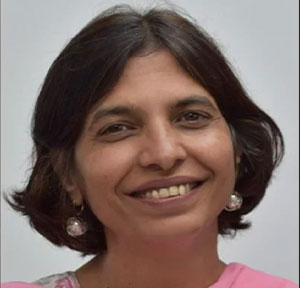
Work must not scar these tiny hands

The sight of a young teen serving tea at your desk might not be so frequent nowadays, but one cannot deny the presence of child labour in our society.
 

While awareness against child labour has increased and today we might not be randomly addressing any young lad as Chotu, yet, it is also a fact that we neither know the names of those who run errands for us nor the reason behind their employment, which is a social evil.
 

According to a recent Government data, every 11th child (in the age group of 5-18 years) is working in India. The International Labour Organisation (ILO) launched the World Day Against Child Labour in 2002 to focus attention on the global extent of child labour and the action and efforts needed to eliminate it. Thus June 12 each year is celebrated as World Day Against Child Labour. How far has this had a positive impact in the Indian context is a question that Metrolife seeks to answer.
 

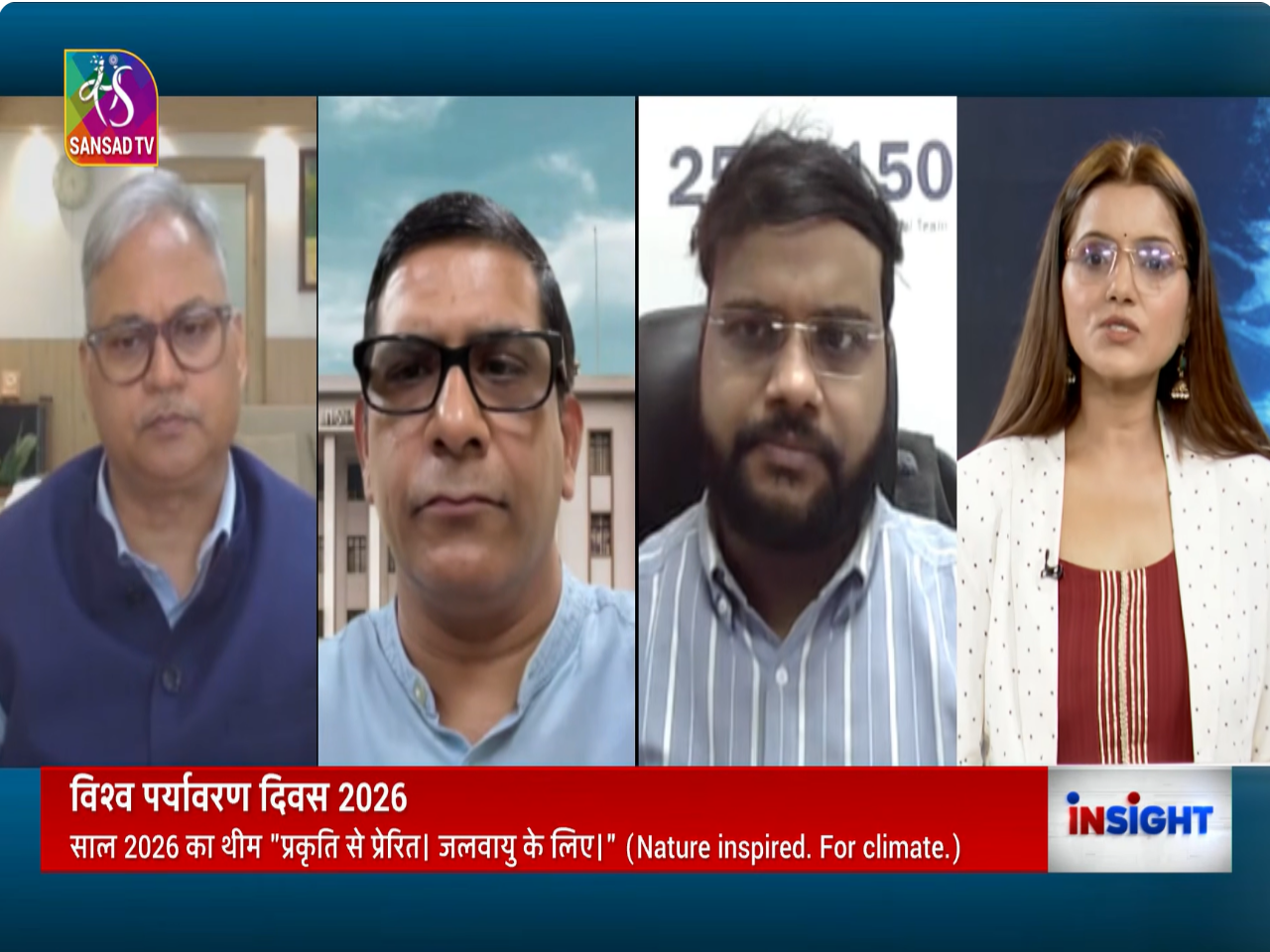
“An analysis of a recent census data by CRY reveals that child labour has been decreasing at a mere 2.2 per cent per year over the last decade, contrary to popular perception of its substantial reduction,” informs Komal Ganotra, director, policy research, Child Rights and You. What is more startling in the report is the fact that Urban Child Labour has grown by more than 50 per cent!
 

“The probable reason for this increase could be two – migration of people from rural to urban areas including seasonal migration for employment as well as trafficking of unaccompanied minors and involvement of children in family employment,” says Ganotra. Children from the states of Bihar, Jharkhand, West Bengal, Odisha and Uttar Pradesh are often trafficked for this reason. But ‘poverty’ just becomes an ‘easy reason’ for justification of this social evil.
 

“If we take the example of the handicraft industry, it requires small hands and the existing economic pressure on families makes children work in these factories,” adds Amit Kaushik, practice head, education and skills development, IPE Global Pvt Ltd. After the laws have been made stringent, the factories haven’t shut shop. Instead, children in them have been replaced by adults. 
 

Kaushik agrees that the awareness to stop child labour has increased manifold since 2002 but “considering the size of India, it will require a huge cultural switch and change in societal norms to bring an end to child labour.”
 

Today, over a crore children continue to be a part of the country’s workforce. “Our rescue missions are continuously saving children from different parts. Yesterday, we rescued 19 children who were enrolled in making soles for footwear in Nangloi. Day before, we rescued 27 children working in a garment factory in Seemapuri,” says Rakesh Sanger, national coordinator, Bachpan Bachao Andolan (BBA).Sanger believes that the effect of strong law enforcement has had positive effects on reducing child labour in the country. 
 

“When we rescue children and bring them to our Mukti Ashram, the state of their mind is like that of a bonded labourer – who works according to the wish and commands of the malik. After a day or two of counselling, they start sharing their tales of hardship, including physical and sexual abuse. They work for 10-15 hours in a day for just 
Rs 100 a week.”
 

The NGOs emphasise on the follow up of these children after rescue since there are chances of them becoming labourers again. “Some of the children rescued by us are today attempting competitive exams,” says Sanger with a sense of pride in his voice.  However, the conviction to say no to the temptation of cheap labour will rise only from our homes. “There is a growing awareness in today’s youth about child labour,” says Ganotra, passing the baton in anticipation of a ‘changed society’
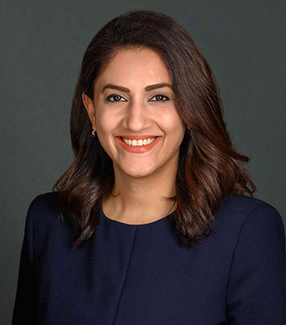
Anand Roop

Anandroop Bahadur

Group Head – Human Resources

Expertise

Human Resource Expertise, HR Strategy, Oragnisational Design, Talent & Leadership Development, Policy Governance

Anandroop Bahadur is a seasoned HR leader and strategic advisor with nearly two decades of experience across the development, consulting, and social impact ecosystem. She brings a strong blend of deep technical HR expertise, organizational design acumen, and a people-centric ethos to her work.

At IPE Global, Anandroop leads the Group Human Resources function across IPE Global and its associated entities, including Triple Line Consulting and IPE Africa. Her focus is on strengthening organizational foundations, enabling leadership effectiveness, and building scalable people systems aligned with the organisation’s global growth ambitions. Her remit spans HR strategy, organizational design, talent and leadership development, compensation and performance frameworks, policy governance, safeguarding, and culture integration across geographies.

Over the course of her career, Anandroop has held senior HR leadership and consulting roles with organisations such as Clinton Health Access Initiative (CHAI), Ford Foundation, NASSCOM Foundation, Central Square Foundation, Amity Education Group, and other international institutions. She has advised leadership teams and boards through periods of scale, transition, and transformation, and has led HR operations in high-growth, high-complexity environments.

She holds an Executive Degree in Human Resources from XLRI Jamshedpur and is a SHRM–SCP (Senior Certified Professional), reflecting her grounding in global HR standards and best practices. She has also completed advanced executive and leadership programmes, including training in coaching and organisational transformation, and is an ICF-trained executive coach, currently working towards her ACC credential.


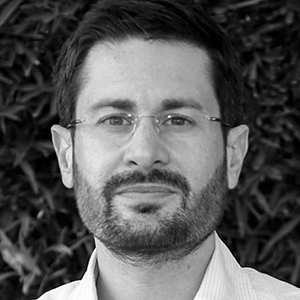
Nikos Papachristodoulou

Nikos Papachristodoulou

Director

Expertise

Urban, Infrastructure, Disaster and Climate Resilience, Inclusive Growth

Nikos has expertise in urban and regional economic development, infrastructure, disaster and climate resilience, and inclusive growth. He oversees and manages projects for Triple Line’s cities and infrastructure portfolio.

Nikos is an urban specialist, with principal areas of expertise in urban and regional economic development, infrastructure, disaster and climate resilience, and inclusive growth. Over the past 12 years he has worked for a range of clients including the World Bank, FCDO, EU, USAID, Cities Alliance, Global Green Growth Institute (GGGI), Norwegian Refugee Council (NRC), and local authorities.

Nikos’s work has incorporated the full spectrum of the project cycle, from analytics and programme scoping and design, through implementation, and evaluation and learning.

He has a high level of familiarity with HMG business cases and ODA eligibility criteria having led and supported the development of FCDO’s urbanisation strategy and options for future investments in Somalia’s cities, Prosperity Fund Global Future Cities Programme (GFCP) scoping in Nigeria, and the development of the business case for an urban resilience programme in Tanzania.

Nikos also brings excellent understanding of World Bank latest trends and procedures as a result of his involvement in a number of analytics and technical assistance projects, including on informal settlements upgrading in Mogadishu, climate change adaptation planning in Latin American and Caribbean cities, assessment of the climate resilience of Dar es Salaam’s transport infrastructure, spatial development in Nigeria, and preparation of a handbook on integrated urban flood risk management.

Nikos holds a BSc in Economics from the University of Piraeus and an MSc in Social Development Practice from the Development Planning Unit at University College London (UCL).


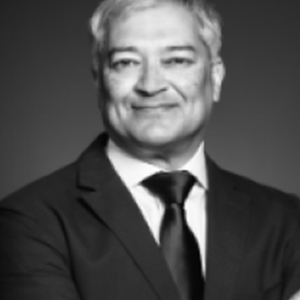
Ricardo Pinto

Ricardo Pinto

Associate Director

Expertise

Private Sector Development, Regulatory Reform, Regional and Local Economy

Ricardo has 35 years´ experience in private sector development, regulatory reform, regional and local economic development in the European Union, Western Balkans, Easter Partnership Countries, Middle East, Africa, etc. He is tasked with developing our strategic operations in continental Europe and Ukraine.

Ricardo is a seasoned international development professional with over 30 years of experience designing and delivering Private Sector Development and economic growth initiatives across more than 50 countries spanning Central, Eastern and Southeast Europe, the CIS, Africa, MEDA, and Asia. He holds both a bachelor’s degree and PhD from the London School of Economics and Political Science (LSE) and is a Certified Management Consultant (CMC).

Ricardo brings a unique combination of strategic insight and practical implementation expertise. He has led high-impact assignments for key development institutions, including the European Commission, OECD, GIZ, FCDO/DFID, UNDP, UNCTAD, EBRD, ILO, ADB, World Bank, USAID, and Danida.

With a deep and practical understanding of institutional architecture, policy environment, and post-conflict recovery dynamics, and a career spanning over 30 years across transition economies, Ricardo brings not only technical depth but also a trusted reputation among donors, policymakers and peers.He is leading Triple Line’s strategic expansion into continental Europe, including Ukraine, while strengthening our credibility across the broader region and beyond. Proven Expertise Across Our Core Pillars. Ricardo’s work focuses on the areas central to Triple Line’s evolving service offering: Governance & Institutional Reform: advising public institutions on regulatory impact, policy reform, and donor coordination, Private Sector Development: strategy development for SME ecosystems, innovation, and competitiveness, Infrastructure Enabling Conditions: support for investment climate improvement and regional/local economic development and Cross-cutting themes, including green transition, women’s economic empowerment, and inclusive growth

 
LIFE AT IPE

Learning &
Development (L&D)

We inspire people to be better.

Our intuitive and personalised programmes provide clear path for growth, leadership development, and help people sharpen their skills.

0 %
People trained in last 3 years
0 %
Participation in L&D Initiatives in 2025

Your journey starts from Day One….

Structured Onboarding

Helps align expectations and lays the foundation for your success

New Hire Training

Makes you familiar with the organisation; helps you settle down in a new work environment

Customized L&D Platform

Helps upskill at your own pace through continuous learning and training programmes

Linkage with
Performance Management

Aligns resources and training needs based on your skill set

Learning is not always a formal process. We also align our organisation values to a culture of learning