Gender parity: Pledging and beyond

The World Economic Forum predicted in 2014 that it would take until 2095 to achieve global gender parity. In 2015, they estimated that a slowdown of progress meant the gender gap wouldn’t close entirely until 2133. The theme for this year’s International Women’s Day – Pledge for Parity – called on men and women to pledge to take a concrete step to help achieve gender parity more qucikly.


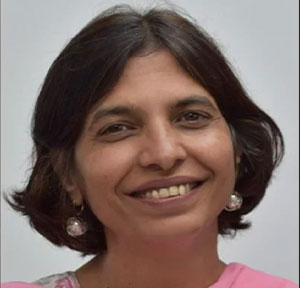
Here, Dr. Indira Khurana, Policy Lead – Resource Scarcity, Food Security & Climate Change, IPE Global, reflects on Pledge for Parity. Citing the example being set by rural women in India, she asks if we will really need to wait till the next century to close the gender gap?

IPE Global staff signed the Pledge for Parity on International Women’s Day
 

POLITICAL GAP

Jayati Jaita, a village leader in Lalitpur, Uttar Pradesh has first-hand experience on the gender gap. Belonging to the socially vulnerable Saharia tribe, she stood for the elections against men across different political parties. Stunned that a woman, a tribal one at that, chose to contest the election, the male candidates, setting aside their political differences, united saying “A women winning is a slap in the face for us.” Ignoring threats and against all odds she stood for the elections and even contested her ‘lost’ result. A recount revealed that victory was indeed hers. Her road promises to be bumpy but she is determined to bring government programmes and development to her panchayat. Representative of the challenges women face today, hers is also a story of grit and determination to win. 


The gap is yawning across sectors.Political representation in the Parliment is a case in point. Where is the reservation for one-third seats for women representatives in Parliament gone? Indian women are increasingly becoming politically conscious and their turnout during India’s 2014 Parliamentary general elections was 65.63 per cent, close to the men’s turnout of 67.09 per cent. Yet, with respect to representation in Parliament, India is 20th from the bottom of the veritable pyramid. The 18 year-journey of the Women’s Reservation Bill was marked by high drama and roadblocks in each of its outings in Parliament before it cleared the first legislative hurdle in 2010. Sadly, a number of male parliamentarians have opposed the passing of the Bill over the years, leaving it in its current comatose state. Is revival possible at all? 
 

EDUCATION GAP

For a poor family, the priority of education is often tilted towards the male child. The female child comes second. She often misses school to help her mother secure water for the house or to take care of her younger siblings. A survey in Warangal district revealed that parents prefer to send their boys to private schools since they believe that these are better. The girls are packed off to government schools, often to be pulled out on attaining puberty. This must be a message to government schools to pull up their socks and an appeal for more investment. 
 

HUNGER AND NUTRITION GAP

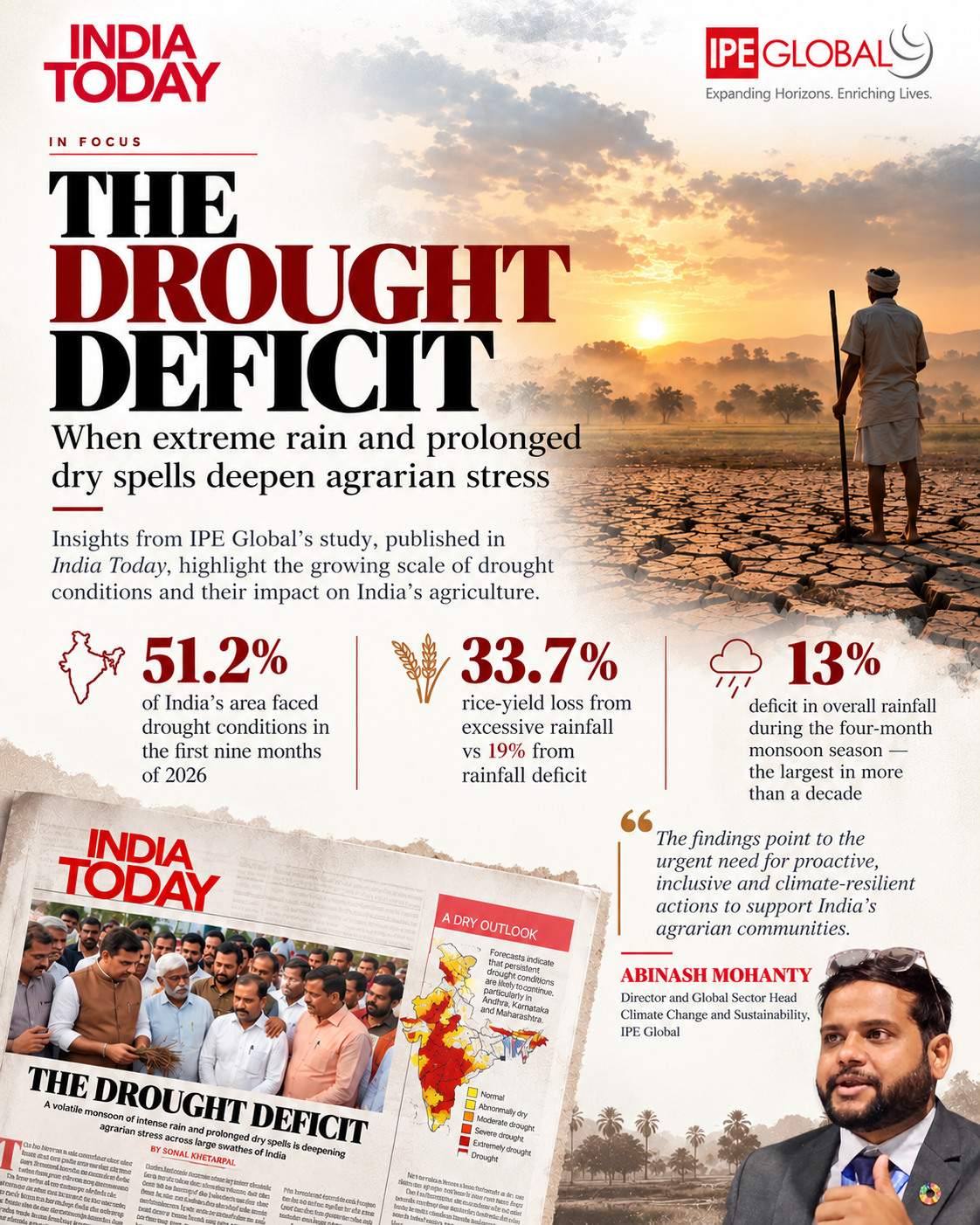
Addressing hunger and nutrition is another gender parity gap. More than half of Indian women are anemic, who then often give birth to children who will be underweight or stunted. These shameful statistics need to change: Women and children need to be physically and mentally healthy for optimal contribution to economic growth. 


Children in villages are alarmingly small for their age. Under the Shakti Varta– harnessing women’s collective power through discussion and dialogue – initiative of the Government of Odisha, self help groups (SHGs) are addressing mother and child nutrition issues. Through a cycle of monthly meetings, women discuss priority issues and are tracked to take care of themselves and their newborn. They also get to know about how to access government schemes. Coupled with the nutrition monitoring committee comprising of mothers, it is heartwarming to hear stories of children moving from red severe malnourished category to yellow (moderately malnourished) and then to green (adequately nourished). 
 

WATER AND SANITATION GAP

In the case of sanitation, men have it easy, women don’t.The ratio of toilets for women and men is skewed towards men. In urban areas for instance, there are more urinals for men than facilities for women. This is changing, but the speed needs to accelerate. Defecting in the open is an acknowledged opportunity for sexual violence. 

Women have stopped eating, left their sasurals, even filed for divorce in absence of toilets. With the wellbeing of her villagers topmost in her mind, Sarojini Deuri, of Damiguda village in Kandhamal, Odisha, gave the land behind her house for a token rent of Rs 1 per month to set up a WASH Academy that will meet training and sanitation hardware demands. 

Women’s struggles and conflicts over a pot of drinking water are well known. But to make life simpler, some 115 Jal Sahelis across 40 villages in parched Lalitpur district are making efforts to ensure drinking water. Taking care of minor repairs themselves, they have the telephone numbers of the responsible government machinery on their fingertips to take care of major repairs. “The downtime of the non-functional hand pumps has declined dramatically,” says a proud Jal Saheli Lakshmi. 
 

MOVING FORWARD ON PARITY

Globally there are movements to take forward the gender agenda. This January at the Davos World Economic Forum, United Nations Secretary-General Ban Ki-moon announced the first-ever High- Level Panel on Women’s economic empowerment to provide leadership and mobilise concrete actions aimed at closing economic gender gaps that persist around the world. 

The first members of the High-Level Advisory group for every Women every child which will help provide leadership and inspire actions for women, children adolescents’ health have also been announced by the UN.  The group aims to end all preventable deaths of women, children and adolescents by 2030 and to support the achievement of the Sustainable Development Goals. 

Far from these efforts, and unaware of global mobilisation on parity, rural women are making their own efforts, one step at a time for achieving parity. These need to multiply in geometric proportion. 

It will be interesting to see India’s movements on addressing gender parity. There is ample work and evidence on what needs to be done on gender parity. We now need to focus on HOW. Suddenly climbing Mount Everest appears a cake walk. But these rustic women do offer hope for attaining parity in this century. 
Anand Roop

Anandroop Bahadur

Group Head – Human Resources

Expertise

Human Resource Expertise, HR Strategy, Oragnisational Design, Talent & Leadership Development, Policy Governance

Anandroop Bahadur is a seasoned HR leader and strategic advisor with nearly two decades of experience across the development, consulting, and social impact ecosystem. She brings a strong blend of deep technical HR expertise, organizational design acumen, and a people-centric ethos to her work.

At IPE Global, Anandroop leads the Group Human Resources function across IPE Global and its associated entities, including Triple Line Consulting and IPE Africa. Her focus is on strengthening organizational foundations, enabling leadership effectiveness, and building scalable people systems aligned with the organisation’s global growth ambitions. Her remit spans HR strategy, organizational design, talent and leadership development, compensation and performance frameworks, policy governance, safeguarding, and culture integration across geographies.

Over the course of her career, Anandroop has held senior HR leadership and consulting roles with organisations such as Clinton Health Access Initiative (CHAI), Ford Foundation, NASSCOM Foundation, Central Square Foundation, Amity Education Group, and other international institutions. She has advised leadership teams and boards through periods of scale, transition, and transformation, and has led HR operations in high-growth, high-complexity environments.

She holds an Executive Degree in Human Resources from XLRI Jamshedpur and is a SHRM–SCP (Senior Certified Professional), reflecting her grounding in global HR standards and best practices. She has also completed advanced executive and leadership programmes, including training in coaching and organisational transformation, and is an ICF-trained executive coach, currently working towards her ACC credential.


Nikos Papachristodoulou

Nikos Papachristodoulou

Director

Expertise

Urban, Infrastructure, Disaster and Climate Resilience, Inclusive Growth

Nikos has expertise in urban and regional economic development, infrastructure, disaster and climate resilience, and inclusive growth. He oversees and manages projects for Triple Line’s cities and infrastructure portfolio.

Nikos is an urban specialist, with principal areas of expertise in urban and regional economic development, infrastructure, disaster and climate resilience, and inclusive growth. Over the past 12 years he has worked for a range of clients including the World Bank, FCDO, EU, USAID, Cities Alliance, Global Green Growth Institute (GGGI), Norwegian Refugee Council (NRC), and local authorities.

Nikos’s work has incorporated the full spectrum of the project cycle, from analytics and programme scoping and design, through implementation, and evaluation and learning.

He has a high level of familiarity with HMG business cases and ODA eligibility criteria having led and supported the development of FCDO’s urbanisation strategy and options for future investments in Somalia’s cities, Prosperity Fund Global Future Cities Programme (GFCP) scoping in Nigeria, and the development of the business case for an urban resilience programme in Tanzania.

Nikos also brings excellent understanding of World Bank latest trends and procedures as a result of his involvement in a number of analytics and technical assistance projects, including on informal settlements upgrading in Mogadishu, climate change adaptation planning in Latin American and Caribbean cities, assessment of the climate resilience of Dar es Salaam’s transport infrastructure, spatial development in Nigeria, and preparation of a handbook on integrated urban flood risk management.

Nikos holds a BSc in Economics from the University of Piraeus and an MSc in Social Development Practice from the Development Planning Unit at University College London (UCL).


Ricardo Pinto

Ricardo Pinto

Associate Director

Expertise

Private Sector Development, Regulatory Reform, Regional and Local Economy

Ricardo has 35 years´ experience in private sector development, regulatory reform, regional and local economic development in the European Union, Western Balkans, Easter Partnership Countries, Middle East, Africa, etc. He is tasked with developing our strategic operations in continental Europe and Ukraine.

Ricardo is a seasoned international development professional with over 30 years of experience designing and delivering Private Sector Development and economic growth initiatives across more than 50 countries spanning Central, Eastern and Southeast Europe, the CIS, Africa, MEDA, and Asia. He holds both a bachelor’s degree and PhD from the London School of Economics and Political Science (LSE) and is a Certified Management Consultant (CMC).

Ricardo brings a unique combination of strategic insight and practical implementation expertise. He has led high-impact assignments for key development institutions, including the European Commission, OECD, GIZ, FCDO/DFID, UNDP, UNCTAD, EBRD, ILO, ADB, World Bank, USAID, and Danida.

With a deep and practical understanding of institutional architecture, policy environment, and post-conflict recovery dynamics, and a career spanning over 30 years across transition economies, Ricardo brings not only technical depth but also a trusted reputation among donors, policymakers and peers.He is leading Triple Line’s strategic expansion into continental Europe, including Ukraine, while strengthening our credibility across the broader region and beyond. Proven Expertise Across Our Core Pillars. Ricardo’s work focuses on the areas central to Triple Line’s evolving service offering: Governance & Institutional Reform: advising public institutions on regulatory impact, policy reform, and donor coordination, Private Sector Development: strategy development for SME ecosystems, innovation, and competitiveness, Infrastructure Enabling Conditions: support for investment climate improvement and regional/local economic development and Cross-cutting themes, including green transition, women’s economic empowerment, and inclusive growth

 
LIFE AT IPE

Learning &
Development (L&D)

We inspire people to be better.

Our intuitive and personalised programmes provide clear path for growth, leadership development, and help people sharpen their skills.

0 %
People trained in last 3 years
0 %
Participation in L&D Initiatives in 2025

Your journey starts from Day One….

Structured Onboarding

Helps align expectations and lays the foundation for your success

New Hire Training

Makes you familiar with the organisation; helps you settle down in a new work environment

Customized L&D Platform

Helps upskill at your own pace through continuous learning and training programmes

Linkage with
Performance Management

Aligns resources and training needs based on your skill set

Learning is not always a formal process. We also align our organisation values to a culture of learning